


Compare models
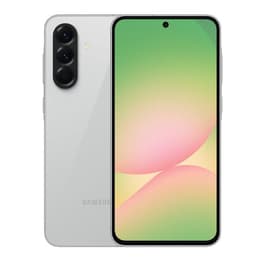
Galaxy A56 Vs iPhone Air
- 1-year minimum warranty
- Free delivery on all orders
- Free 30-day returns
Differences at a glance
The Samsung Galaxy A56 (2025) and the Apple iPhone Air (2025) represent two distinct approaches to modern smartphone engineering, balancing different priorities in design and capability. While the Galaxy A56 focuses on a well-rounded feature set within the Android ecosystem, the iPhone Air emphasizes an ultra-slim profile and high-tier Apple integration running iOS.
Available Models
Colour
Storage
Scores
Durability
Both devices are designed for long-term daily use, though their software update timelines and hardware durability features differ based on their respective release schedules and ecosystem support structures.
- Software Support: The iPhone Air benefits from Apple's extended update lifecycle, while the Galaxy A56 provides multi-year Android OS upgrades and security patches typical of Samsung's mid-range tier.
- Build Durability: The Galaxy A56 incorporates reinforced water and dust resistance alongside robust glass panels, whereas the iPhone Air utilizes a rigid titanium frame paired with advanced scratch-resistant display glass.
- Repairability: Both manufacturers offer structured service networks, though everyday longevity largely depends on battery health maintenance over years of regular charging cycles.
Year of Release
2025
2025
Compatible with latest Update
Yes
Yes
OS
Android
iOS
Foldable
No
No
Performance
System responsiveness and everyday utility vary due to differing internal hardware configurations and operating system architectures between the two platforms.
- Multitasking and App Loading: Both devices handle everyday communication, web browsing, and switching between active applications smoothly without noticeable stutter.
- Battery Behavior: The Galaxy A56 houses a larger physical battery capacity for prolonged daily utilization, while the iPhone Air relies on power-efficient hardware management to sustain typical usage across a full day.
- Storage Configurations: Both models offer multiple internal storage tiers to accommodate media libraries and applications, though neither supports expandable storage via memory cards.
Screen quality
Viewing experiences differ through unique panel technologies and physical dimensions tailored for media consumption, reading, and outdoor visibility.
- Display Technology: Both models utilize vibrant OLED panels that deliver deep contrast levels, rich colors, and wide viewing angles for all types of content.
- Refresh Rate: Both devices support adaptive or high refresh rates up to 120Hz, ensuring fluid scrolling animations and responsive touch feedback.
- Outdoor Brightness: High peak brightness capabilities on both screens allow content to remain legible even under direct sunlight conditions.
Resolution
1080x2340
2736x1260
Audiovisual
Imaging hardware and audio output cater to varied multimedia creation and consumption preferences through distinct sensor arrays and speaker designs.
- Camera Systems: The Galaxy A56 features a versatile multi-lens rear setup including an ultra-wide option, whereas the iPhone Air focuses on a streamlined single high-resolution rear lens backed by advanced computational photography.
- Video and Low Light: Both devices capture detailed video footage with stabilization and manage low-light environments effectively using automated night processing modes.
- Audio Output: Built-in speaker systems on both models deliver clear sound for hands-free calls, casual video viewing, and audio playback.
Main camera
50 megapixels
48 megapixels
Miscellaneous
Practical daily usability is shaped by physical dimensions, connectivity standards, and biometric authentication methods unique to each manufacturer.
- Physical Dimensions: The Galaxy A56 offers a standard profile with a comfortable grip, while the iPhone Air stands out with an exceptionally thin and lightweight chassis design.
- Connectivity: Both models support modern 5G networks, fast Wi-Fi standards, and Bluetooth pairing for wireless accessories.
- Security and Biometrics: The Galaxy A56 utilizes an in-display fingerprint sensor, whereas the iPhone Air relies on facial recognition technology for device unlocking and authentication.
Weight
198 g
165 g
Screen size (in)
6.7
6.5
Network
5G
5G
SIM card
Dual Physical SIM + eSIM
eSIM
Carrier compatibility
Unlocked
Unlocked
Connector
USB-C
USB-C
What the community thinks
User discussions across community forums highlight distinct preferences for each device based on everyday habits. Owners of the Galaxy A56 frequently praise its reliable battery stamina, bright display, and balanced feature set. At the same time, users often note that its physical footprint is slightly heavier. Conversely, admirers of the iPhone Air frequently highlight its exceptionally slim and lightweight form factor as a major ergonomic advantage, though some point out the absence of secondary physical camera lenses as a limitation for versatile framing.
When deciding between the two, users prioritizing prolonged battery endurance and a traditional multi-lens camera layout may prefer the Galaxy A56. Meanwhile, users prioritizing an ultra-lightweight profile, streamlined design, and the iOS ecosystem will lean toward the iPhone Air. For buyers seeking a sustainable choice, opting for a quality-assured refurbished option provides an eco-friendly alternative that extends device lifecycles without compromising on performance.









