

Compare models
Galaxy A33 5G Vs iPhone Air
- 1-year minimum warranty
- Free delivery on all orders
- Free 30-day returns
Differences at a glance
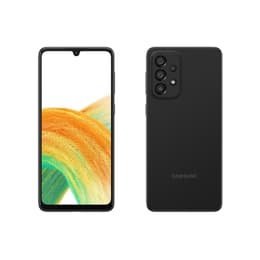
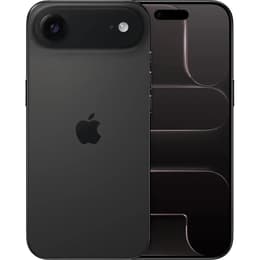
The Samsung Galaxy A33 5G (2022) and the Apple iPhone Air (2025) belong to different generations and product classes, catering to distinct mobile ecosystems. While the Galaxy A33 5G operates on Android, the iPhone Air runs on iOS, bringing fundamentally different software experiences and design approaches. These two devices highlight contrasting design philosophies, ranging from practical mid-range engineering to ultra-slim flagship craftsmanship.
Available Models
Colour
Storage (GB)
Scores
Durability
Device longevity and software support timelines differ substantially between these models due to their release dates and product tiers.
- Software Support Timeline: The iPhone Air benefits from Apple's extended update policy, while the Galaxy A33 5G approaches its software update lifecycle established from its 2022 launch year.
- Build Durability: The iPhone Air utilizes a titanium frame and reinforced glass shielding, whereas the Galaxy A33 5G relies on a plastic frame with glass protection, both offering standard water and dust resistance ratings.
Year of Release
2022
2025
Compatible with latest Update
Yes
Yes
OS
Android
iOS
Foldable
No
No
Performance
Handling everyday apps, multitasking, and system fluidity varies based on internal component architecture and memory allocation.
- Multitasking and Responsiveness: The iPhone Air manages demanding applications and intensive background tasks smoothly with high-capacity memory, while the Galaxy A33 5G handles standard daily apps, web browsing, and casual tasks efficiently.
- Storage Configurations: The iPhone Air starts at higher base storage tiers without expansion slots, whereas the Galaxy A33 5G offers expandable storage via microSD support.
Screen quality
Both smartphones feature high-contrast display panels designed for media consumption, though their brightness and refresh rate capabilities differ.
- Display Technology and Refresh Rate: The iPhone Air features an advanced OLED screen with adaptive refresh rates up to 120Hz for fluid scrolling, while the Galaxy A33 5G uses a 90Hz Super AMOLED panel.
- Outdoor Visibility: The iPhone Air reaches higher peak outdoor brightness levels for clear visibility under direct sunlight, while the Galaxy A33 5G provides adequate clarity for routine daily viewing.
Resolution
1080 x 2400
2736x1260
Screen type
Super AMOLED
Super Retina XDR
Audiovisual
Photographic hardware and media output capabilities reflect the different market positioning of each device.
- Camera Systems: The iPhone Air utilizes a high-resolution single primary lens with advanced computational processing, while the Galaxy A33 5G employs a quad-lens rear array including ultra-wide and macro options.
- Video and Audio Output: The iPhone Air supports high-fidelity video recording formats and spatial capture features, while the Galaxy A33 5G delivers standard stereo sound output and reliable video recording for casual sharing.
Main camera
48 megapixels
48 megapixels
Front camera
13 megapixels
18 megapixels
Miscellaneous
Physical dimensions, connectivity standards, and daily handling characteristics vary considerably between the two models.
- Physical Profile: The iPhone Air emphasizes an exceptionally thin and lightweight titanium build, whereas the Galaxy A33 5G presents a thicker, traditional plastic-backed profile.
- Connectivity and Ports: The iPhone Air relies entirely on wireless standards and a USB-C connection without legacy audio ports, matching the connectivity suite of the Galaxy A33 5G which also supports modern 5G networks.
Weight
186 g
165 g
Screen size (in)
6.4
6.5
Network
5G
5G
SIM card
Physical SIM
eSIM
Carrier compatibility
Unlocked
Unlocked
Connector
USB-C
USB-C
What the community thinks
User feedback highlights distinct preferences for each device depending on individual workflow requirements. Users praising the Galaxy A33 5G frequently point to its reliable everyday battery longevity and expandable storage capability. Conversely, users favor the iPhone Air for its ultra-slim titanium form factor, fluid high-refresh-rate display, and responsive system performance. Common concerns for the older Samsung model involve aging software support, while discussions around the Apple device often note the absence of expandable storage.
Users prioritizing lightweight design, high-end display fluidity, and long-term software updates may prefer the iPhone Air. Meanwhile, users looking for a practical everyday device with expandable storage options will find the Galaxy A33 5G well-suited to their needs. Exploring quality-assured refurbished options provides an eco-friendly way to access either of these distinct smartphone experiences without purchasing newly manufactured hardware.