
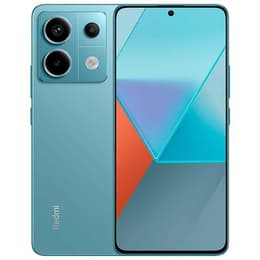


Compare models
Xiaomi Redmi Note 13 4G Vs Xiaomi Redmi Note 13 Pro
- 1-year minimum warranty
- Free delivery on all orders
- Free 30-day returns
Differences at a glance
The Xiaomi Redmi Note 13 4G and the Xiaomi Redmi Note 13 Pro are mid-range smartphones released in early 2024 as part of a popular device family. While both models run on the Android operating system paired with Xiaomi's custom interface, they differ significantly in their core internal capabilities and imaging equipment. This comparison outlines the practical differences between these two devices to help users choose the option that matches their daily routines.
Available Models
Colour
Storage
Scores
Durability
Both smartphones share a similar release timeline from early 2024, though they offer distinct hardware foundations that influence their long-term viability and physical protection during everyday use.
- Software longevity and updates: Both devices receive regular security patches and system updates from Xiaomi, with similar expectations for multi-year software support cycles.
- Build protection: The Pro variant utilizes tougher front glass protection against scratches and drops compared to the standard model, while both maintain basic splash and dust resistance.
- Expected practical lifespan: The Pro model's higher memory capacity configurations offer more headroom for future software demands, whereas both devices maintain reliable daily durability under normal usage conditions.
Year of Release
2024
2023
Compatible with latest Update
Yes
Yes
OS
Android
Android
Foldable
No
No
Performance
Underneath the surface, these devices cater to different workloads through distinct hardware configurations, memory sizes, and power management designs.
- App loading and multitasking: The Pro model handles heavier multitasking and demanding applications more smoothly due to a higher-tier processor and larger random access memory options, while the standard model manages routine tasks like web browsing and messaging comfortably.
- Battery behavior: Both devices include a generous 5000 mAh battery capacity, providing enough power to last through a full day of mixed usage, though charging speeds vary with faster replenishment supported on the Pro version.
- System responsiveness: Day-to-day navigation feels fluid on both units, but the Pro model maintains higher frame rate consistency during intensive background processes.
Screen quality
Visual output is a shared strong point across this device generation, though subtle variations in panel specifications affect outdoor legibility and interactive smoothness.
- Display technology: Both phones feature vibrant AMOLED panels with deep contrast levels and rich colors, making them well-suited for watching videos and viewing photos.
- Refresh rate and smoothness: Both models support a high refresh rate of 120 Hz, ensuring seamless scrolling through web pages and social media feeds.
- Brightness and outdoor visibility: High peak brightness capabilities on both screens allow for clear legibility when using the devices under direct sunlight.
Resolution
1080 x 2400
1220 x 2712
Screen type
AMOLED
AMOLED
Audiovisual
The imaging hardware represents one of the primary distinctions between these two models, impacting photography detail and overall multimedia utility.
- Main camera capabilities: The standard model features a high-resolution main sensor suitable for clear everyday daylight photography, while the Pro model steps up to an ultra-high-resolution primary sensor paired with optical image stabilization for sharper details in complex lighting.
- Secondary lenses: Both devices share identical supporting lenses, including an ultra-wide sensor for landscapes and a macro lens for close-up shots.
- Audio and media consumption: Built-in stereo speakers on both phones deliver adequate sound output for casual video viewing and hands-free calls, accompanied by reliable microphone clarity.
Main camera
108 megapixels
200 megapixels
Front camera
16 megapixels
16 megapixels
Miscellaneous
Practical daily utility features vary slightly in connectivity standards, physical dimensions, and sensor configurations between the two models.
- Connectivity and ports: Both models support 4G LTE networks, reliable Wi-Fi standards, and Bluetooth connectivity, alongside a physical USB Type-C port for charging and data transfer.
- Security and sensors: Fast and responsive under-display optical fingerprint sensors are included on both devices for secure biometric unlocking.
- Handling and dimensions: Both phones share a similar 6.67-inch form factor with comparable weight distribution, making them comfortable to hold for extended periods.
Weight
175 g
187 g
Screen size (in)
6.67
6.67
Network
4G
5G
SIM card
Dual Physical SIM
Dual Physical SIM
Carrier compatibility
Unlocked
Unlocked
What the community thinks
Community feedback from everyday users highlights distinct preferences for each device based on individual habits. Owners of the standard Redmi Note 13 4G frequently praise its reliable battery endurance, clear display quality, and straightforward functionality for daily communication. Conversely, users of the Redmi Note 13 Pro emphasize satisfaction with its faster system responsiveness, sharper main camera output, and quicker charging speeds. Users prioritizing photography versatility and smoother multitasking under heavy workloads may lean toward the Pro model, while those focused on essential daily messaging, media streaming, and standard tasks will find the base version well-suited to their needs. For consumers looking to make an eco-friendly choice, selecting a quality-assured refurbished option from Back Market provides a sustainable path to acquiring either device without compromising on performance or reliability. Ultimately, evaluating personal usage habits against each device's core strengths will guide you toward the right choice.









