

Compare models

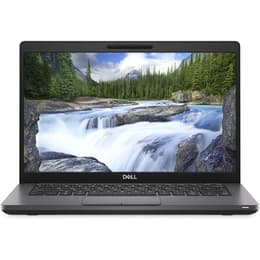
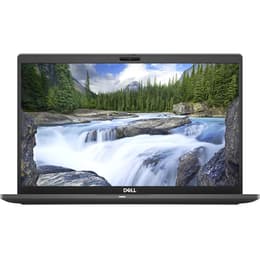
Dell Latitude 5400 14" Vs Dell Latitude 7410 14"

  • 1-year minimum warranty
  • Free delivery on all orders
  • Free 30-day returns
Dell Latitude 5400 14"
Starting at

Refurbished price:328.00

Versus €1,230.00 new

See options
Dell Latitude 7410 14"
Starting at

Refurbished price:330.00

Versus €865.00 new

See options

Differences at a glance

The Dell Latitude 5400 (2019) and the Dell Latitude 7410 (2020) are 14-inch business laptops designed for everyday productivity and professional mobile working environments. While both machines share the same screen size and corporate pedigree, they stem from different tiers of Dell's enterprise lineup. The Latitude 5400 prioritizes modular versatility and legacy port availability, whereas the Latitude 7410 introduces a sleeker profile, newer internal components, and refined mobility features. Both computers run on standard desktop operating systems, allowing users to install traditional software applications and manage enterprise security tasks with ease.

Understanding how these two generationally adjacent laptops differ in build design, daily responsiveness, and practical portability helps users select the device that best matches their workflow demands.

Available Models

Storage (GB)

Processor

Memory (GB)

Scores

Durability

When evaluating structural longevity and software support, both laptops provide reliable long-term usability, though their design and release timelines differ by a year. Users looking for a sustainable, quality-assured refurbished option will find that business-class machines like these are built to maintain structural integrity across years of heavy daily office or classroom use.

  • Release timeline and hardware age: The Latitude 7410 arrives a year later than the Latitude 5400, providing slightly newer internal component cycles and prolonged compatibility with modern system updates.
  • Repairability and modular maintenance: The Latitude 5400 features a traditional, modular chassis design that allows straightforward access to internal components for component replacement, whereas the Latitude 7410 utilizes a more compact assembly that prioritizes a slimmer physical footprint over internal modularity.
  • Expected practical lifespan: Both models benefit from robust business-grade plastics and carbon fiber composite materials, ensuring they endure regular transport between home and workplace settings comfortably.

Year of Release

2018

2020

Last Os Compatibility

Yes

Yes

OS

Windows 11

Windows 11

Performance

Daily performance capabilities vary between the two machines based on their processor generations and memory management configurations, impacting how smoothly demanding workloads and multitasking sessions run. Both laptops handle routine tasks effectively, but architectural differences influence sustained responsiveness.

  • Processor capabilities and everyday speed: The newer processor architecture inside the Latitude 7410 handles heavy multitasking, multiple browser tabs, and complex office applications with improved efficiency, while the Latitude 5400 manages standard productivity tasks reliably.
  • Storage and memory configurations: Both models offer scalable solid-state drive storage options for fast system boot times and responsive file transfers, alongside flexible memory slots that support seamless switching between open applications.
  • Thermal behavior and battery stamina: The Latitude 7410 features refined power management that helps sustain battery life through a full day of mixed mobile use, whereas the Latitude 5400's thicker chassis accommodates traditional cooling layouts suited for stationary desk work.

Graphic card

Integrated Graphics

Integrated Graphics

Screen quality

Display configurations define the visual experience on both 14-inch laptops, affecting text clarity, outdoor visibility, and overall media consumption comfort during extended working hours. Screen choices reflect the different design eras of each portable computer.

  • Panel technology and resolution: Both laptops offer clear panels with standard high-definition resolutions, ensuring sharp text rendering for document editing, spreadsheet review, and web browsing.
  • Brightness and outdoor visibility: The Latitude 7410 frequently includes higher-nit display options that maintain readability under bright office lighting or near windows, whereas the Latitude 5400 provides standard brightness levels optimized for indoor environments.
  • Physical screen assembly: The Latitude 7410 utilizes narrower bezels for a more modern viewing area and a compact overall footprint, while the Latitude 5400 retains wider surrounding borders typical of its release year.

Resolution

1920 x 1080

1920 x 1080

Screen type

IPS

IPS

Camera

Audiovisual

Multimedia and communication features differ notably between the two machines, influencing video conferencing quality and audio playback experiences during virtual meetings and casual media use.

  • Webcam and video clarity: Both models feature standard definition webcams housed above the display for routine video calls, supported by dual-array microphones that capture voice input clearly during virtual conferences.
  • Speaker output and media consumption: The upward or downward-firing stereo speakers on both laptops deliver adequate sound levels for speech and notifications, though external headphones or speakers are recommended for immersive media enjoyment.
  • Call quality and environment handling: Built-in audio processing software on both devices helps reduce background noise during calls, ensuring clear communication in busy shared offices or remote workspaces.

Miscellaneous

Physical design characteristics, port selections, and connectivity standards dictate how easily each laptop integrates into existing peripheral setups and mobile routines.

  • Port selection and connectivity: The Latitude 5400 offers an extensive array of legacy connectors including a physical Ethernet port and full-sized video outputs, whereas the Latitude 7410 leans toward modern USB-C and Thunderbolt standards for streamlined docking solutions.
  • Weight and physical dimensions: The Latitude 7410 features a lighter, more compact carbon-fiber or aluminum chassis that reduces strain in a backpack, while the Latitude 5400 adopts a slightly heavier, traditional form factor.
  • Security and input sensors: Both laptops provide enterprise-grade security features such as smart card readers and optional fingerprint sensors, paired with comfortable keyboards designed for high-volume typing.

Weight

1590 g

7500 g

Screen size

14

14

What the community thinks

Community feedback from users on technology forums highlights distinct preferences for each of these business laptops. Owners of the Dell Latitude 5400 frequently praise its dependable port selection, easy internal access for hardware maintenance, and stable performance during standard office tasks. However, some users note that its heavier chassis and wider screen borders feel less modern. Conversely, users of the Dell Latitude 7410 appreciate its lighter weight, streamlined profile, and improved battery efficiency during travel, though a few mention the reliance on adapters for older peripheral connections.

Users prioritizing connectivity with older office equipment and straightforward hardware maintenance may prefer the Dell Latitude 5400, while users prioritizing a lighter weight, enhanced mobility, and a modern form factor will lean toward the Dell Latitude 7410. Choosing between these eco-friendly, quality-assured refurbished options depends entirely on whether daily routines involve frequent travel or stationary desk setups. Each model delivers reliable performance tailored to different professional styles without favoring one overarching design approach.


Our recent comparisons