
iPhone

Compare models
Differences at a glance
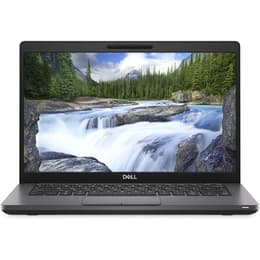
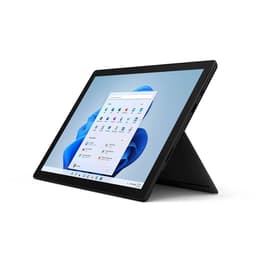
The Dell Latitude 5400 14 (released in 2019) is a traditional business laptop, while the Microsoft Surface Pro 7 12 (also released in 2019) is a versatile 2-in-1 device. Both run on the Windows operating system, but their distinct form factors and design philosophies cater to different user needs. The primary differentiators lie in their portability, display characteristics, and overall user interaction methods.
Storage
Processor
Memory
Both devices were released in 2019, meaning they have a similar starting point for software support and expected lifespan. As Windows devices, they benefit from ongoing security updates and feature enhancements from Microsoft for several years. The Dell Latitude 5400, being a business-oriented laptop, often features a design that allows for easier internal access for maintenance or component upgrades, potentially extending its practical life. The Surface Pro 7, while robust, is known for a more integrated design, which can make internal repairs more complex.
Year of Release
Last Os Compatibility
OS
These devices offer different performance profiles, largely influenced by their respective processor generations and thermal designs. The Dell Latitude 5400, with its 8th generation processors, provides reliable performance for everyday office tasks, web browsing, and moderate multitasking. The Microsoft Surface Pro 7, equipped with 10th generation processors, offers a slight edge in processing efficiency and graphics capabilities, which can translate to smoother performance in more demanding applications or light creative work. Both devices are available with various RAM and storage configurations, impacting their ability to handle multiple applications simultaneously and store large files.
Graphic card
The display experience differs significantly between these two devices, primarily due to their form factors and intended uses. The Dell Latitude 5400 features a 14-inch display, commonly available in Full HD (1920 x 1080) resolution, providing a standard viewing area suitable for productivity tasks. The Microsoft Surface Pro 7, on the other hand, boasts a 12.3-inch PixelSense display with a higher resolution of 2736 x 1824 and a 3:2 aspect ratio, offering a more expansive vertical viewing space often preferred for document work and web browsing. The Surface Pro 7's display also supports touch and pen input, enhancing its versatility as a tablet.
Resolution
Screen type
The camera systems on these devices reflect their primary design intentions. The Dell Latitude 5400 includes a standard HD webcam, suitable for video conferencing and online meetings in typical office lighting conditions. The Microsoft Surface Pro 7, designed with a tablet-first approach, features more capable cameras. It includes a 5.0MP front-facing camera for clearer video calls and facial recognition, as well as an 8.0MP rear-facing camera that can be used for capturing documents or quick photos, offering more versatility for users who need to scan or photograph on the go.
These devices present distinct approaches to connectivity, physical design, and user interaction. The Dell Latitude 5400 offers a comprehensive array of traditional ports, including multiple USB-A, USB-C, HDMI, and an Ethernet port, making it highly adaptable for office environments and peripheral connections without adapters. Its clamshell design and larger screen provide a stable platform for extended typing and traditional laptop use. The Microsoft Surface Pro 7, in contrast, prioritizes portability and versatility with its lighter weight (around 775g without Type Cover) and 2-in-1 form factor. It features a more limited port selection, including USB-A and USB-C, relying on its Surface Connect port for docking and charging. Its kickstand and optional Type Cover transform it from a tablet into a laptop-like experience, offering touch and pen input.
Weight
Screen size
User feedback for the Dell Latitude 5400 often highlights its robust build quality, reliable performance for business tasks, and extensive port selection as key strengths. Users appreciate its dependable nature and suitability for a traditional office workflow. Some common criticisms revolve around its somewhat dated design compared to newer laptops and the potential for lower-resolution display options on base models. For the Microsoft Surface Pro 7, users frequently praise its exceptional portability, high-resolution touch display, and versatility as both a tablet and a laptop. Its strong performance for its size and quality cameras are also often noted. Criticisms sometimes include its relatively limited port selection, the additional cost of essential accessories like the Type Cover and Surface Pen, and its repairability challenges.
Users prioritizing a traditional, durable laptop experience with a wide array of connectivity options for a fixed workspace may find the Dell Latitude 5400 well-suited to their needs. Its focus on business-grade reliability and ease of integration into existing office setups makes it a strong contender for professionals requiring a consistent workhorse. Conversely, users who value maximum portability, a high-quality touch display for creative or interactive tasks, and the flexibility of a 2-in-1 device will likely lean toward the Microsoft Surface Pro 7. Its lighter weight and tablet capabilities make it ideal for those who frequently work on the go or require a device for presentations and note-taking. Both devices are available as quality-assured refurbished options, providing a sustainable choice for consumers seeking reliable technology.