
iPhone

Compare models
Differences at a glance
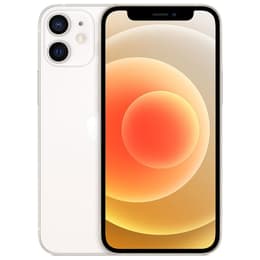
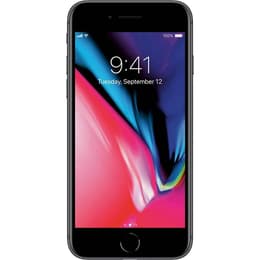
The iPhone 12 Mini, released in November 2020, and the iPhone 8, launched in September 2017, represent different eras of Apple's smartphone design philosophy. While both offer a compact form factor, the 12 Mini introduces a modern all-screen design and advanced internal components, contrasting with the iPhone 8's classic home button and bezel-inclusive display. Both devices operate on Apple's iOS platform, providing a consistent user experience, though the 12 Mini benefits from a newer software foundation.
Colour
Storage
The longevity of a smartphone is influenced by its release timeline, software support, and physical resilience. These two models, separated by three years, offer different expectations in these areas.
Year of Release
Compatible with latest Update
OS
Foldable
Performance differences between these two models stem primarily from their respective processors and RAM configurations, impacting how they handle daily tasks and demanding applications.
The display is a significant differentiator, with the iPhone 12 Mini featuring a more advanced screen technology and a modern design compared to the iPhone 8.
Resolution
Screen type
The camera systems on these two iPhones reflect the advancements in mobile photography over several generations, with the 12 Mini offering more versatility and enhanced features.
Main camera
Front camera
Beyond core performance and display, several practical elements contribute to the overall user experience and differentiate these two iPhone models.
Weight
Width
Height
Depth
Screen size (in)
Network
SIM card
Carrier compatibility
Connector
Choosing between the iPhone 12 Mini and the iPhone 8 involves weighing modern features and extended support against a more classic design and established functionality. User feedback often praises the iPhone 12 Mini for its compact size combined with a large, vibrant display and its capable camera system, particularly the inclusion of Night mode. Some users, however, note its battery life can be a limitation for heavy usage. The iPhone 8 is frequently appreciated for its familiar form factor, including the Touch ID home button, and its continued reliability for basic smartphone tasks. Criticisms often revolve around its aging design and the eventual cessation of major iOS updates.
Users prioritizing a device with a modern aesthetic, a superior display, enhanced camera capabilities, and longer software support will find the iPhone 12 Mini well-suited to their needs. Its 5G connectivity also offers a future-proof advantage. Conversely, individuals who prefer the traditional iPhone design with a physical home button, or who require a device primarily for essential communication and less demanding applications, may lean toward the iPhone 8. Both models are available as quality-assured refurbished options, providing an eco-friendly alternative for those seeking to extend the life of electronic products. Ultimately, the decision depends on individual preferences for design, performance demands, and desired software longevity.