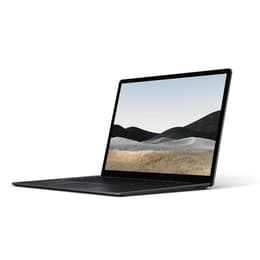


Dell Latitude 5400 14" Vs Microsoft Surface Laptop 4 13"

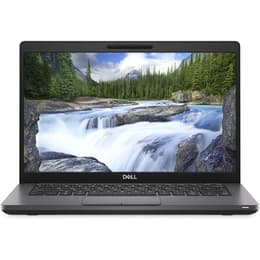
Dell Latitude 5400 14"
Starting at

Refurbished price:260.00

Versus €859.00 new

See options
Microsoft Surface Laptop 4 13"
Starting at

Refurbished price:370.00

Versus €754.00 new

See options

Ratings

The Dell Latitude 5400 14 and the Microsoft Surface Laptop 4 13 are distinct laptops designed for different user priorities. Released in 2019, the Latitude 5400 is a business-oriented device emphasizing robust connectivity and durability, while the Surface Laptop 4, launched in 2021, offers a premium user experience with a focus on design and display quality. Both devices operate on the Windows platform, providing a familiar software environment for users.

Scores

Durability

When considering the long-term usability of these laptops, their release timelines and design philosophies play a significant role. The Dell Latitude 5400, released in 2019, is built with business environments in mind, often featuring robust construction and a focus on practical longevity. The Microsoft Surface Laptop 4, launched in 2021, benefits from a more recent release, potentially offering a longer period of direct manufacturer software support and more current hardware.

  • Software Longevity: Both laptops run Windows and are compatible with Windows 11, extending their supported lifespan beyond their initial release operating systems. The Surface Laptop 4, being newer, will likely receive feature updates for a slightly longer duration.
  • Repairability: Dell's Latitude series is generally known for its more accessible internal components, which can contribute to easier maintenance and repair, potentially extending its practical lifespan. The Surface Laptop 4, while well-built, often features a more integrated design that can make repairs more challenging.
  • Expected Lifespan: Users can expect several years of productive use from either device. The Latitude 5400's business-grade durability and upgradeable components support a long functional life, while the Surface Laptop 4's newer hardware and optimized software experience ensure relevance for demanding tasks over time.

Year of Release

2019

2021

Last Os Compatibility

Yes

Yes

OS

Windows 11

Windows 11

Performance

The performance capabilities of the Dell Latitude 5400 and the Microsoft Surface Laptop 4 13 cater to different user demands, influenced by their respective hardware generations and design focuses. Both are capable of handling everyday computing tasks, but their strengths diverge in more intensive scenarios.

  • Processing Power: The Surface Laptop 4, featuring 11th Gen Intel Core or AMD Ryzen Microsoft Surface Edition processors, generally offers more current processing power, leading to smoother performance in demanding applications, faster data processing, and more efficient multitasking. The Latitude 5400, equipped with 8th Gen Intel Core processors, provides reliable performance for typical business applications and general productivity.
  • Multitasking and Responsiveness: Both devices support ample RAM configurations, with the Latitude 5400 offering up to 32GB or 64GB across two SODIMM slots, and the Surface Laptop 4 up to 32GB. This allows for effective multitasking. The Surface Laptop 4's newer processors and faster RAM options contribute to a more immediate and fluid user experience, especially when switching between numerous applications or handling complex workflows.
  • Battery Behavior: The Latitude 5400, particularly with its larger 68Wh battery option, can deliver extended battery life, with some configurations lasting over 13 hours in web browsing tests. The Surface Laptop 4 also offers strong battery performance, with real-world usage often reaching 10-13 hours, and Microsoft claiming up to 19 hours for some AMD configurations.

Memory (GB)

16 GB

16 GB

Processor

Core i5 - Gen 8 (U)

Ryzen 5 4680U

Graphic card

Integrated Graphics

Integrated Graphics

Screen quality

The visual experience on the Dell Latitude 5400 14 and the Microsoft Surface Laptop 4 13 differs significantly, primarily due to their display technologies, resolutions, and aspect ratios. These distinctions impact clarity, color reproduction, and overall viewing comfort.

  • Display Technology and Resolution: The Surface Laptop 4 features a 13.5-inch PixelSense touchscreen with a resolution of 2256 x 1504 pixels and a 3:2 aspect ratio, offering a sharper image and more vertical screen real estate suitable for productivity. The Latitude 5400 typically comes with a 14-inch Full HD (1920 x 1080) IPS display with a 16:9 aspect ratio, which is standard for business laptops.
  • Brightness and Clarity: The Surface Laptop 4's display generally offers higher brightness, reaching up to 390-427 nits, and excellent color accuracy, making it suitable for creative tasks and comfortable viewing in varied lighting conditions. The Latitude 5400's display typically has a brightness of around 220 nits, which is adequate for indoor use but may be less vibrant in bright environments.
  • Touch and Refresh Rate: Both laptops typically feature a 60Hz refresh rate. The Surface Laptop 4 includes a responsive touchscreen as a standard feature, enhancing interactive use. While the Latitude 5400 offers optional touchscreen configurations, many models are non-touch, focusing on a traditional laptop experience.

Resolution

1920 x 1080

2256 x 1504

Screen type

IPS

LED

Audiovisual

For communication and media consumption, both the Dell Latitude 5400 14 and the Microsoft Surface Laptop 4 13 offer essential audio and visual components, though with differing levels of refinement and features.

  • Webcam Quality: Both laptops are equipped with a 720p HD front-facing camera. The Surface Laptop 4's camera often benefits from Microsoft's software optimizations, including Windows Hello face authentication, which can enhance image quality and security features for video calls.
  • Microphone and Speaker Performance: The Surface Laptop 4 features dual far-field Studio Mics and Omnisonic Speakers with Dolby Audio, designed to provide clear audio input and a more immersive sound experience for media consumption and virtual meetings. The Latitude 5400 includes internal microphones and speakers that are functional for business use, with some models featuring Waves MaxxAudio Pro tuning for improved audio clarity.
  • Video Recording: While neither device is designed for professional video production, their integrated cameras are suitable for standard video conferencing and casual recording. The Surface Laptop 4's overall audio-visual integration tends to offer a more polished experience for these tasks.

Miscellaneous

Beyond core performance and display, several practical elements differentiate the Dell Latitude 5400 14 and the Microsoft Surface Laptop 4 13, impacting their usability and portability in daily scenarios.

  • Connectivity and Ports: The Latitude 5400 offers a comprehensive selection of ports, including multiple USB-A ports, a USB-C port (with optional Thunderbolt 3), HDMI, an RJ-45 Ethernet port, and a microSD card reader, catering to a wide range of peripherals and network connections. The Surface Laptop 4 provides a more streamlined port selection with one USB-C, one USB-A, a 3.5mm headphone jack, and a Surface Connect port for charging, but notably lacks an Ethernet port and Thunderbolt 4.
  • Design and Portability: The Surface Laptop 4 emphasizes a sleek, lightweight design with a premium aluminum chassis, and some models feature an Alcantara fabric palm rest, contributing to a refined aesthetic and comfortable typing experience. It weighs between 1.265 kg and 1.288 kg. The Latitude 5400, weighing around 1.47 kg to 1.52 kg, has a more utilitarian, business-focused design, often utilizing carbon fiber and polycarbonate for durability, and is built to withstand everyday wear and tear.
  • Security and Authentication: Both laptops support Windows Hello for secure login. The Latitude 5400 often includes optional features like a fingerprint reader and IR camera for facial recognition, along with vPro processor options for enhanced enterprise security. The Surface Laptop 4 primarily uses its 720p HD camera for Windows Hello face authentication.

Weight

1520 g

1288 g

Screen size

14

13

User sentiment for the Dell Latitude 5400 14 often highlights its reliability, robust build quality, and extensive port selection as key strengths, making it a dependable workhorse for business and educational environments. Users appreciate its long battery life, especially with larger battery configurations, and its practical, no-frills approach to productivity. Criticisms sometimes point to its somewhat dated design and a display that, while functional, may lack the vibrancy and brightness of more premium consumer laptops.

The Microsoft Surface Laptop 4 13 is frequently praised for its premium design, comfortable keyboard, and vibrant PixelSense display with its productivity-friendly 3:2 aspect ratio. Users generally find its performance suitable for daily tasks and light creative work, and its battery life is considered strong for an ultraportable device. Common concerns include its limited port selection, the presence of thicker bezels compared to some competitors, and the integrated design which can make self-repair more challenging.

Users prioritizing a highly durable, versatile machine with extensive connectivity for a traditional office or educational setup may find the Dell Latitude 5400 14 well-suited to their needs. Its focus on practical features and upgradeability makes it a solid choice for long-term use. Conversely, individuals who value a sleek, modern design, a high-quality display for media and productivity, and a refined user experience might lean towards the Microsoft Surface Laptop 4 13. Its portability and premium feel make it ideal for mobile professionals or students seeking a stylish and capable device. Both models are available as quality-assured refurbished options, providing a sustainable choice for those looking to extend the life cycle of electronic products.


See all articles

Our recent comparisons