

HP EliteBook 840 G8 14" Vs Microsoft Surface Laptop 3 13"

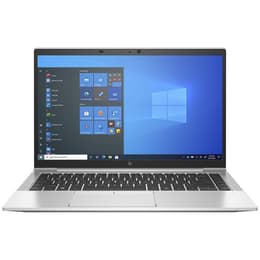
HP EliteBook 840 G8 14"
Starting at

Refurbished price:350.00

Versus €696.00 new

See options
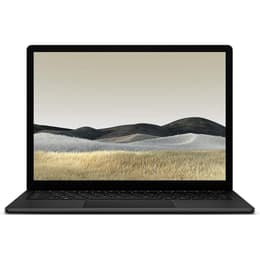
Microsoft Surface Laptop 3 13"
Starting at

Refurbished price:235.00

Versus €689.99 new

See options

Ratings

The HP EliteBook 840 G8 14-inch, released in 2021, and the Microsoft Surface Laptop 3 13-inch, launched in 2019, are both Windows-based laptops designed for productivity and everyday use. While the EliteBook emphasizes business-grade security and connectivity, the Surface Laptop 3 focuses on a premium user experience with a distinctive display and sleek design. Both devices offer solid performance for their respective generations, but cater to slightly different user priorities.

Scores

Durability

When considering the long-term usability of these laptops, several factors come into play, including their release timelines, operating system support, and potential for maintenance.

  • Release Timeline: The HP EliteBook 840 G8 was released in 2021, making it two years newer than the Microsoft Surface Laptop 3, which debuted in October 2019. This difference in age can impact software support longevity and hardware relevance.
  • OS Support: Both laptops run on the Windows operating system, meaning they benefit from Microsoft's ongoing software updates and security patches. The newer EliteBook 840 G8 is likely to receive official OS support for a longer duration than the Surface Laptop 3, offering an extended period of feature updates and security.
  • Repairability: Business-oriented laptops like the EliteBook series are often designed with easier serviceability in mind, potentially allowing for component upgrades or repairs to extend their practical lifespan. The Surface Laptop 3's SSD is technically removable by a skilled technician, but its RAM is soldered, limiting upgrade options.

Year of Release

2020

2019

OS

Windows 11

Windows 11

Performance

The performance capabilities of these two laptops reflect their respective generations of internal components, influencing how smoothly they handle daily tasks and more demanding applications.

  • Processor Capabilities: The HP EliteBook 840 G8 features 11th-generation Intel Core processors, providing a performance advantage for general computing and multitasking. The Microsoft Surface Laptop 3 is equipped with 10th-generation Intel Core processors, which offer reliable performance for everyday productivity, web browsing, and media consumption.
  • Multitasking and Responsiveness: The EliteBook's newer processor generation generally translates to snappier application loading and more fluid multitasking, especially with several applications open simultaneously. While the Surface Laptop 3 handles typical workloads well, users engaging in more intensive tasks might notice the generational difference in speed and efficiency.
  • Storage and Memory: Both devices offer solid-state drive (SSD) storage options, contributing to fast boot times and quick data access. The EliteBook 840 G8 supports up to 64GB of DDR4 RAM, providing ample headroom for demanding professional applications. The Surface Laptop 3 typically comes with 8GB or 16GB of RAM, which is sufficient for most users, though its RAM is soldered and not user-upgradable.

Memory (GB)

16 GB

8 GB

Processor

Core i5-1145G7

Core i5 - Gen 10 (G7)

Graphic card

Integrated Graphics

Integrated Graphics

Screen quality

The visual experience on these laptops is shaped by their display technologies, resolutions, and aspect ratios, impacting clarity and usability in various environments.

  • Display Technology and Resolution: The HP EliteBook 840 G8 typically features a 14-inch Full HD (1920 x 1080) IPS anti-glare display, suitable for extended work sessions. The Microsoft Surface Laptop 3 13-inch boasts a 13.5-inch PixelSense display with a higher resolution of 2256 x 1504 pixels, resulting in a sharper image and a 3:2 aspect ratio that provides more vertical screen space, which can be beneficial for document work and web browsing.
  • Brightness and Clarity: The EliteBook 840 G8 offers various display options, including panels with up to 1000 nits of brightness and integrated privacy screens, making it versatile for different lighting conditions and sensitive work. The Surface Laptop 3's display typically reaches around 348-405 nits of brightness, providing good visibility indoors and adequate performance outdoors, though some users note its glossy finish can be reflective.
  • Viewing Experience: The Surface Laptop 3's 3:2 aspect ratio is often praised by users for offering a more expansive view for productivity tasks compared to the more common 16:9 aspect ratio found on the EliteBook. Both displays offer good color reproduction, with the Surface Laptop 3 covering a high percentage of the sRGB color gamut.

Audiovisual

For communication and media consumption, the audio and visual components of these laptops offer distinct characteristics.

  • Webcam Quality: The HP EliteBook 840 G8 includes an integrated webcam, designed for business conferencing and virtual meetings. The Microsoft Surface Laptop 3 features a 720p front-facing camera, which users generally find to be of good quality for video calls, often outperforming webcams on other laptops of its era. Both support Windows Hello for facial recognition login.
  • Microphone and Speaker Performance: The EliteBook 840 G8 incorporates audio by Bang & Olufsen with dual stereo speakers and multi-array microphones, aiming for clear audio in professional settings. The Surface Laptop 3 features speakers that are often lauded by users for their clarity, volume, and surprising bass, despite lacking visible speaker grilles. Its dual Studio Mics also contribute to improved audio quality for calls.
  • Media Consumption: While neither laptop is primarily designed for high-end gaming or professional video editing, both provide a satisfactory experience for streaming content and casual media consumption. The Surface Laptop 3's display, with its vibrant colors and sharp resolution, enhances the viewing experience.

Miscellaneous

Beyond core performance and display, practical elements like connectivity, physical design, and security features differentiate these two laptops.

  • Connectivity Options: The HP EliteBook 840 G8 offers modern connectivity, including Wi-Fi 6 and two Thunderbolt 4 with USB4 Type-C ports, alongside two SuperSpeed USB Type-A ports and an HDMI 2.0b port, providing extensive options for peripherals and external displays. It also has optional 5G/4G LTE for mobile broadband. The Microsoft Surface Laptop 3 includes one USB-A port, one USB-C port (which is not Thunderbolt 3), a headphone jack, and a Surface Connect port for charging and docking. It supports Wi-Fi 5 and Bluetooth 5.0.
  • Portability and Build: The Surface Laptop 3 is known for its sleek, minimalist design and portability, weighing around 1.27 kg to 1.3 kg. It features an all-metal chassis, with some models offering an Alcantara fabric finish around the keyboard. The EliteBook 840 G8 starts at 1.32 kg and is built with a durable chassis designed for business use.
  • Security and User Experience: The EliteBook 840 G8 integrates advanced security features like HP Wolf Security and a fingerprint sensor, catering to professional environments. Both laptops feature comfortable keyboards and responsive trackpads, with the Surface Laptop 3's trackpad often highlighted for its size and precision.

Weight

2500 g

3000 g

Screen size

14

13

User feedback for the Microsoft Surface Laptop 3 often praises its premium build quality, comfortable keyboard, and excellent trackpad, with many appreciating the vibrant 3:2 aspect ratio display for productivity. Common criticisms include its limited port selection, particularly the absence of Thunderbolt 3, and some users have noted the display can be reflective. The HP EliteBook 840 G8 is generally lauded for its robust security features, comprehensive port selection, and solid performance for business applications. While specific widespread criticisms are less prominent in general user discussions, some business laptops can be perceived as less aesthetically refined than consumer-focused devices.

Users prioritizing a highly portable device with a premium design, a unique display aspect ratio, and a focus on a refined user experience for everyday tasks and media consumption may find the Microsoft Surface Laptop 3 well-suited to their needs. Its strengths lie in its tactile keyboard and trackpad, and its clear audio output. Conversely, individuals who require a laptop with more extensive connectivity, advanced security features, and a slightly newer processor for demanding professional workloads will likely lean towards the HP EliteBook 840 G8. Its array of ports and business-centric design make it a practical choice for a corporate or hybrid work environment.

For those considering either of these models, exploring quality-assured refurbished options can provide a sustainable choice, offering access to these capable laptops while extending their lifecycle.


See all articles

Our recent comparisons