
Compare models

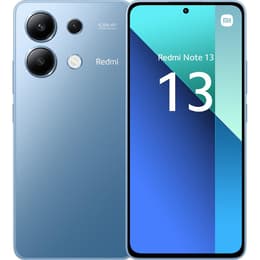
Xiaomi Redmi Note 13 4G Vs Xiaomi Redmi Note 14 Pro

  • 1-year minimum warranty
  • Free delivery on all orders
  • Free 30-day returns
Xiaomi Redmi Note 13 4G
Starting at

Refurbished price:155.00

Versus €176.04 new

See options
Xiaomi Redmi Note 14 Pro
Starting at

Refurbished price:248.00

Versus €349.99 new

See options

Differences at a glance

The Xiaomi Redmi Note 13 4G (2024) and the Xiaomi Redmi Note 14 Pro (2024/2025) represent two distinct tiers within Xiaomi's accessible mid-range smartphone lineup. While the Redmi Note 13 4G focuses on delivering essential daily features at an entry-level tier, the Redmi Note 14 Pro introduces advanced display protections, refined processing power, and upgraded imaging capabilities. Both devices run on Android-based software ecosystems customized with Xiaomi's interface, though differences in hardware generations influence their long-term feature sets and overall responsiveness.

Available Models

Colour

Storage (GB)

Scores

Durability

When examining longevity and physical durability, both devices offer solid build qualities tailored to everyday wear and tear, though their release schedules place them at slightly different stages of their software support lifecycles.

  • Software Support Schedule: The Redmi Note 14 Pro benefits from a more recent release window, securing security patches and system upgrades for a longer duration compared to its predecessor. Users seeking extended software lifespans will find the newer model advantageous.
  • Build and Inherent Protection: The Redmi Note 13 4G features basic splash resistance, whereas the Redmi Note 14 Pro incorporates enhanced drop resistance and advanced ingress protection ratings against dust and water splashes. Both models utilize robust plastics and reinforced glass layouts designed to withstand standard daily handling.

Year of Release

2024

2025

OS

Android

iOS

Foldable

No

No

Performance

Underneath the exterior, these two smartphones handle daily tasks, multitasking, and casual gaming through distinctly different hardware configurations that impact overall system fluidity.

  • App Loading and Multitasking: The Redmi Note 14 Pro utilizes a more advanced processor and higher baseline memory configurations, allowing demanding applications to open rapidly and background tasks to switch seamlessly. The Redmi Note 13 4G handles standard messaging, web browsing, and media streaming reliably, but may show slight hesitation during heavy app switching.
  • Energy Management: Both devices include large battery capacities capable of lasting through a full day of mixed usage, though the optimized processor in the Redmi Note 14 Pro manages power consumption more efficiently during intensive background tasks.

Screen quality

Visual output is a primary focal point for both smartphones, each utilizing vibrant panel technologies designed to provide clear text and vivid media playback.

  • Display Panel and Smoothness: Both models feature high-refresh-rate AMOLED displays that ensure fluid scrolling and deep contrast levels. However, the Redmi Note 14 Pro pushes peak brightness levels higher, making outdoor visibility under direct sunlight significantly clearer.
  • Clarity and Protection: Screen sizes are comparable, offering immersive viewing spaces for videos and mobile reading. The Redmi Note 14 Pro layers tougher protective glass over the panel to guard against scratches and accidental impacts over time.

Resolution

1080 x 2400

1080 x 2400

Audiovisual

Photography and media recording capabilities differ noticeably, reflecting the distinct market positioning of each device.

  • Main Camera Resolution and Detail: The Redmi Note 14 Pro incorporates a higher-resolution primary sensor equipped with optical image stabilization, which helps capture sharper details in low-light environments and reduces blur during motion. The Redmi Note 13 4G relies on a standard high-megapixel main sensor that performs well in bright daylight conditions but requires steady hands indoors.
  • Supporting Lenses and Audio: Both phones include ultra-wide secondary lenses for landscape shots, alongside clear microphone arrays and single or stereo speaker setups that deliver adequate volume for casual video watching and hands-free calls.

Front camera

16 megapixels

32 MP

Miscellaneous

Practical daily features, connectivity standards, and ergonomic design choices shape how these smartphones fit into user routines.

  • Connectivity and Ports: The Redmi Note 14 Pro supports modern wireless standards and faster cellular data bands where available, whereas the Redmi Note 13 4G is restricted to fourth-generation network speeds. Both retain convenient everyday additions like infrared blasters and USB-C charging ports.
  • Ergonomics and Handling: Despite housing large batteries, both devices maintain relatively slim profiles with curved or flat edge designs that sit comfortably in the hand, though weight distributions vary slightly based on internal cooling and camera components.

Weight

188 g

180 g

Width

9,6 cm

162,16 cm

Height

0,6 cm

74,92 cm

Depth

18,2 cm

8,24 cm

Screen size (in)

6.67

6.67

Network

4G

4G

SIM card

Dual Physical SIM

Dual Physical SIM

Carrier compatibility

Unlocked

Unlocked

What the community thinks

Community discussions and user feedback indicate that both smartphones serve distinct audiences effectively. Owners of the Xiaomi Redmi Note 13 4G frequently praise its dependable everyday reliability, clear display, and accessible nature for basic tasks. Conversely, users of the Xiaomi Redmi Note 14 Pro highlight its fluid multitasking performance, brighter screen under sunlight, and more resilient build structure as major daily advantages.

Users prioritizing advanced photography, higher outdoor screen visibility, and long-term software support may prefer the Xiaomi Redmi Note 14 Pro. Meanwhile, users focused on straightforward communication, media consumption, and essential smartphone utilities will find the Xiaomi Redmi Note 13 4G well-suited to their needs. For those exploring sustainable purchasing habits, choosing a quality-assured refurbished option provides an eco-friendly alternative that reduces electronic waste without compromising on performance. Ultimately, the choice depends on which daily features align best with individual usage patterns and lifestyle requirements.