

Compare models
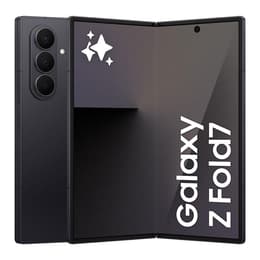
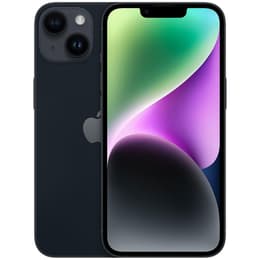
Galaxy Z Fold7 Vs iPhone 14
- 1-year minimum warranty
- Free delivery on all orders
- Free 30-day returns
Differences at a glance
The Samsung Galaxy Z Fold7 (2025) and the Apple iPhone 14 (2022) represent two completely different philosophies in mobile technology, contrasting an innovative book-style folding device with a traditional candy-bar smartphone form factor. While the Galaxy Z Fold7 provides an expansive dual-screen workspace and advanced hardware released three years later, the iPhone 14 focuses on a pocket-friendly, streamlined everyday experience within the iOS ecosystem. These distinct engineering approaches cater to vastly different user priorities regarding screen real estate and operating systems.
Available Models
Colour
Storage (GB)
Scores
Durability
When evaluating the long-term utility of these devices, differences in their release timelines and mechanical designs introduce unique considerations for expected lifespan and upkeep.
- Software Support Timeline: The Galaxy Z Fold7 benefits from a launch window in 2025 and extended platform update commitments, whereas the iPhone 14 launched in 2022 and follows a mature, established update cycle.
- Mechanical Design and Durability: The iPhone 14 uses a traditional rigid glass and aluminum structure with high water resistance, while the Galaxy Z Fold7 incorporates intricate folding hinge mechanisms and flexible internal display layers that require more mindful day-to-day handling.
- Repairability Expectations: Traditional smartphones like the iPhone 14 generally offer straightforward component replacement pathways, while foldable devices involve specialized repair procedures for their dual-screen configurations.
Year of Release
2025
2022
Compatible with latest Update
Yes
Yes
OS
Android
iOS
Foldable
Yes
No
Performance
Underneath their exteriors, these devices handle multitasking, application loading, and daily power management through contrasting hardware configurations suited to their respective operating systems.
- System Responsiveness and Multitasking: The Galaxy Z Fold7 features ample system memory alongside a current-generation processor, allowing demanding multi-window workflows and heavy applications to run concurrently with ease.
- Everyday Speed and Efficiency: The iPhone 14 utilizes a refined operating system paired with established internal hardware to navigate daily tasks, messaging, and casual applications smoothly and reliably.
- Battery Behavior: The Galaxy Z Fold7 manages power across two distinct screens for varied usage lengths, while the iPhone 14 provides consistent battery endurance tailored for single-screen, standard daily usage patterns.
Screen quality
Display capabilities form the most prominent differentiator between these two choices, shifting from a conventional single panel to a transformable dual-screen layout.
- Display Technology and Form Factor: The iPhone 14 features a single, fixed OLED screen designed for comfortable one-handed use, whereas the Galaxy Z Fold7 opens up to reveal a large tablet-sized flexible display alongside a wide cover screen.
- Brightness and Outdoor Clarity: Both models deliver high peak brightness levels to ensure readability under direct sunlight, utilizing advanced panel technology to maintain contrast and color fidelity.
- Visual Workspace: Users opening the Galaxy Z Fold7 gain a vast canvas suitable for viewing multiple apps side by side, while the iPhone 14 offers a standard, focused viewing area for media and reading.
Resolution
1968x2184
1170 x 2532
Audiovisual
The photographic hardware on each device approaches image capture and media consumption through different lens arrays and audio setups.
- Camera System Versatility: The Galaxy Z Fold7 employs a high-resolution main sensor accompanied by ultra-wide and optical zoom options, whereas the iPhone 14 relies on a dual-lens rear setup optimized for everyday point-and-shoot clarity.
- Video and Low-Light Recording: Both devices capture detailed video clips and handle dim environments effectively using built-in image stabilization and software processing enhancements.
- Media and Audio Output: Stereo speaker configurations on both models provide clear sound for hands-free calls, video playback, and casual music listening without requiring external accessories.
Miscellaneous
Practical daily usability elements, physical dimensions, and connectivity standards shape how each phone integrates into a user's routine.
- Physical Dimensions and Handling: The iPhone 14 presents a lightweight, narrow profile that slips easily into pockets, while the Galaxy Z Fold7 offers a remarkably thin profile for a foldable device that transforms into a larger tablet when opened.
- Authentication and Sensors: The iPhone 14 relies on facial recognition technology for secure unlocking, while the Galaxy Z Fold7 incorporates a side-mounted fingerprint scanner alongside facial recognition.
- Connectivity and Ports: Both models support fast cellular networks and modern wireless standards, though they utilize different physical cable connections for charging and data transfer in line with their respective brand ecosystems.
Weight
215 g
172 g
Screen size (in)
8.0
6.1
Network
5G
5G
SIM card
Dual Physical SIM + eSIM
Physical SIM + eSIM
Carrier compatibility
Unlocked
Unlocked
Connector
USB-C (USB 3)
Lightning
What the community thinks
Choosing between the Samsung Galaxy Z Fold7 and the Apple iPhone 14 depends entirely on individual workflow preferences and device habits. Users prioritizing maximum screen workspace, multi-window productivity, and cutting-edge folding hardware will find the Galaxy Z Fold7 well-suited to their daily routines. Conversely, users who prefer a traditional, pocket-friendly form factor within the streamlined iOS ecosystem will naturally lean toward the iPhone 14. Real-world feedback notes that foldable owners appreciate the expansive tablet transformation for media consumption, while iPhone users frequently praise the dependable, straightforward handling and consistent software experience.
For those looking to make a sustainable choice, opting for a quality-assured refurbished option provides an eco-friendly alternative that extends the lifecycle of these electronics without compromising on performance standards. Evaluating these key differences ensures a selection that aligns seamlessly with personal tech habits.