
iPhone 14 Vs Xiaomi Redmi Note 14 Pro

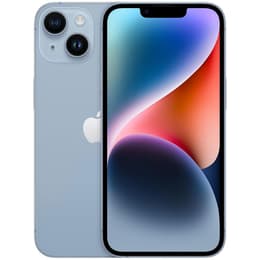
iPhone 14
iPhone 14
Starting at

Refurbished price:287.25

Versus €759.00 new

See options
Xiaomi Redmi Note 14 Pro
Starting at

Refurbished price:260.77

Versus €349.99 new

See options

Ratings

The iPhone 14, released in September 2022, and the Xiaomi Redmi Note 14 Pro, which became available in late 2024 or early 2025, represent distinct approaches to smartphone design and functionality. While the iPhone 14 operates on Apple's iOS ecosystem, the Redmi Note 14 Pro runs on Android, offering users different software experiences. Key differentiators between these two devices include their display technologies, camera systems, and overall performance profiles, catering to varied user preferences.

Scores

Durability

When considering the practical lifespan of these devices, several factors come into play, including software support, physical resilience, and repairability.

  • Software Longevity: The iPhone 14, launched with iOS 16, typically receives major iOS updates for approximately five to six years from its release, extending its software relevance well into the future. The Redmi Note 14 Pro, running on Android 14, is expected to receive several years of Android version updates and security patches, though the exact duration can vary by manufacturer and region. [1, 15]
  • Physical Durability: The iPhone 14 features a Ceramic Shield front cover, designed for enhanced drop performance, and an IP68 rating for dust and water resistance. [9, 11] The Redmi Note 14 Pro also boasts an IP68 rating for dust and water resistance and incorporates Corning Gorilla Glass Victus 2 for screen protection, contributing to its robust build. [10, 12, 17]
  • Repairability: Both devices are designed with internal components that require specialized tools and expertise for repair. The availability of parts and repair services can influence the practical lifespan, with both manufacturers offering support channels.

Year of Release

2022

2025

OS

iOS

Android

Foldable

No

No

Performance

The performance of a smartphone is crucial for daily tasks, from app usage to demanding multimedia. Both the iPhone 14 and the Redmi Note 14 Pro offer capable hardware for smooth operation.

  • Processing Power: The iPhone 14 is equipped with a powerful processor that handles demanding applications and multitasking with efficiency, providing a fluid user experience. [1, 8] The Redmi Note 14 Pro features a modern octa-core processor, designed to deliver responsive performance for everyday use and gaming. [10, 17]
  • Multitasking and Storage: The iPhone 14 comes with 6GB of RAM, supporting smooth transitions between applications and efficient background processes. [1] It offers storage options up to 512GB. [9] The Redmi Note 14 Pro provides more generous RAM configurations, with options up to 12GB, which can benefit users who frequently switch between many applications. [10, 17] It also offers storage up to 512GB. [10, 17]
  • Battery Behavior: The iPhone 14's battery is designed to provide up to 20 hours of video playback, offering reliable power for a full day of typical use. [11] The Redmi Note 14 Pro features a larger battery capacity, supporting extended usage times, and includes fast charging capabilities to quickly replenish power. [12, 15]

Memory (GB)

6 GB

8 GB

Screen quality

The display is a primary interface for smartphone interaction, and both devices offer vibrant viewing experiences with distinct characteristics.

  • Display Technology and Clarity: The iPhone 14 features a 6.1-inch Super Retina XDR OLED display, known for its deep blacks, high contrast, and vibrant color reproduction at a resolution of 2532 by 1170 pixels. [1, 9] The Redmi Note 14 Pro sports a larger 6.67-inch AMOLED panel, offering a 1.5K resolution (1220x2712 or 2400x1080 pixels depending on the source) for sharp visuals and immersive viewing. [10, 17]
  • Brightness and Refresh Rate: The iPhone 14's display reaches a typical brightness of 800 nits and a peak HDR brightness of 1200 nits, ensuring good visibility in various lighting conditions. It has a standard 60Hz refresh rate. [1, 9] The Redmi Note 14 Pro excels in brightness, with a peak brightness of up to 3000 nits, making it highly visible outdoors. It also features a smoother 120Hz refresh rate, which enhances the fluidity of scrolling and animations. [10, 17]
  • Viewing Experience: The iPhone 14 provides a compact and comfortable viewing experience, ideal for one-handed use. The Redmi Note 14 Pro's larger screen offers more expansive real estate for media consumption and multitasking.

Resolution

1170 x 2532

1080x2400

Audiovisual

Both smartphones are equipped with advanced camera systems designed to capture high-quality photos and videos in various scenarios.

  • Rear Camera System: The iPhone 14 features a dual 12MP camera system, including a main wide-angle lens with sensor-shift optical image stabilization and an ultra-wide lens. Its Photonic Engine enhances low-light performance. [9, 11] The Redmi Note 14 Pro boasts a versatile triple camera setup, highlighted by a high-resolution 200MP main sensor with optical image stabilization, complemented by an 8MP ultra-wide and a 2MP macro lens, offering flexibility for different photographic needs. [10, 16]
  • Front Camera and Video: The iPhone 14 includes a 12MP front camera with autofocus, capable of recording 4K Dolby Vision HDR video. [9, 11] The Redmi Note 14 Pro features a 20MP front camera, suitable for detailed selfies and video calls, with video recording capabilities up to 1080p. [10, 12]
  • Photography Features: Both devices offer features like Portrait mode, Night mode, and various photographic styles to enhance image capture. The iPhone 14 also includes Cinematic mode for video recording, providing a shallow depth of field effect. [9]

Front camera

12 megapixels

32 MP

Miscellaneous

Beyond core specifications, several practical elements contribute to the overall user experience and device utility.

  • Connectivity and Ports: Both the iPhone 14 and Redmi Note 14 Pro support 5G cellular connectivity and Wi-Fi 6 for fast wireless speeds. [9, 10] The iPhone 14 utilizes a Lightning port for charging and data transfer. The Redmi Note 14 Pro features a USB-C port, offering broader compatibility with accessories, and includes a 3.5mm headphone jack, which is absent on the iPhone 14. [12, 15]
  • Biometric Security: The iPhone 14 relies on Face ID for secure facial recognition. [11] The Redmi Note 14 Pro offers an in-screen fingerprint sensor and AI face unlock for biometric authentication. [12]
  • Design and Handling: The iPhone 14 has a compact design, measuring 146.7 x 71.5 x 7.80 mm and weighing 172 grams, making it comfortable for one-handed use. [9] The Redmi Note 14 Pro is a larger device at 162.33 x 74.42 x 8.24 mm and 190 grams, providing a more substantial feel and larger screen area. [10]

Weight

172 g

180 g

Screen size (in)

6.1

6.67

Network

5G

4G

SIM card

Physical SIM + eSIM

Dual Physical SIM

Carrier compatibility

Unlocked

Unlocked

Users often praise the iPhone 14 for its consistent performance, robust software ecosystem, and reliable camera system, particularly its video capabilities. Criticisms sometimes point to its 60Hz display refresh rate and the continued use of the Lightning port. The Redmi Note 14 Pro, on the other hand, frequently receives positive remarks for its large, high-refresh-rate display, impressive peak brightness, and versatile camera setup, especially the high-megapixel main sensor. Some users might note the varying processor information across different regions or sources as a point of confusion.

Users prioritizing a compact device with a highly optimized software experience and strong video recording features may find the iPhone 14 well-suited to their needs. Its long-term software support and established ecosystem are significant advantages. Conversely, users who value a larger, smoother display with a higher refresh rate, a more versatile camera system with a high-resolution main sensor, and the flexibility of the Android operating system, along with a universal USB-C port and headphone jack, may lean toward the Redmi Note 14 Pro. Both devices offer compelling features, and choosing between them often comes down to individual preferences for operating system, display characteristics, and camera priorities. For those considering a more sustainable choice, quality-assured refurbished options for both models are available, offering an eco-friendly alternative.


See all articles

Our recent comparisons