
iPhone 15 Vs Xiaomi Redmi Note 14 Pro

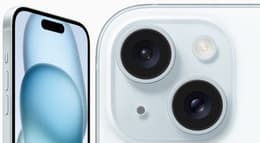
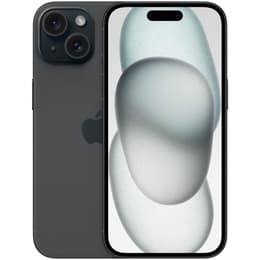
iPhone 15
iPhone 15
Starting at

Refurbished price:397.00

Versus €879.00 new

See options
Xiaomi Redmi Note 14 Pro
Starting at

Refurbished price:260.77

Versus €349.99 new

See options

Ratings

The iPhone 15, released in September 2023, and the Xiaomi Redmi Note 14 Pro, which saw its series launch between late 2024 and early 2025, represent distinct approaches to smartphone design and functionality. While both devices operate on different ecosystems – Apple's iOS and Google's Android respectively – they aim to deliver a comprehensive mobile experience. Key differentiators include their operating systems, display technologies, and camera philosophies, catering to varied user preferences.

Scores

Durability

Evaluating the practical lifespan of these devices involves considering their release timelines, software support, and physical resilience.

  • Release Timeline: The iPhone 15 was introduced in September 2023, while the Xiaomi Redmi Note 14 Pro series began its rollout in late 2024 or early 2025. This difference in launch dates means the iPhone 15 has been available for a longer period.
  • Software Longevity: Apple typically provides iOS updates for its devices for five to six years from their release, suggesting the iPhone 15 will receive software support until at least late 2028 or 2029. The Xiaomi Redmi Note 14 Pro, running Android, is expected to receive around three years of OS updates and four years of security updates.
  • Durability Features: The iPhone 15 features a Ceramic Shield front cover and a color-infused glass back with an aluminum design, offering IP68 dust and water resistance, allowing submersion up to 6 meters for 30 minutes. The Redmi Note 14 Pro is noted to have Corning Gorilla Glass Victus 2 protection for its display and is rated for IP68 dust and water resistance, though some sources indicate IP64 for splash resistance.

Year of Release

2023

2025

OS

iOS

Android

Foldable

No

No

Performance

Performance is a critical aspect for daily use, encompassing how smoothly applications run, multitasking capabilities, and overall system responsiveness.

  • Processor Capabilities: The iPhone 15 is equipped with a powerful processor that handles demanding applications and graphics-intensive games with ease, ensuring a fluid user experience. The Xiaomi Redmi Note 14 Pro is primarily cited with a MediaTek Dimensity 7300 Ultra processor, which is designed to offer capable performance for everyday tasks and moderate gaming. Some variants might feature a Helio G100-Ultra.
  • Multitasking and Responsiveness: Both devices are designed to offer smooth navigation and efficient multitasking. The iPhone 15's optimized software and hardware integration contribute to its consistent responsiveness. The Redmi Note 14 Pro, with its available RAM configurations (8GB or 12GB), supports handling multiple applications simultaneously.
  • Battery Behavior: The iPhone 15 offers up to 20 hours of video playback, with users generally reporting a full day of use for average to heavy usage. The Redmi Note 14 Pro features a larger 5500mAh battery, which, combined with its processor, is expected to provide extended usage times, potentially exceeding a full day for many users.

Memory (GB)

6 GB

8 GB

Screen quality

The display is the primary interface for user interaction, and both phones offer distinct visual experiences.

  • Display Technology and Resolution: The iPhone 15 features a 6.1-inch Super Retina XDR OLED display with a resolution of 2556 x 1179 pixels, resulting in a pixel density of approximately 460 ppi. The Redmi Note 14 Pro comes with a larger 6.67-inch AMOLED display, offering a 1.5K resolution (1220 x 2712 pixels or 2400 x 1080 pixels), which translates to a sharp viewing experience.
  • Brightness and Outdoor Visibility: The iPhone 15's display can reach a peak outdoor brightness of up to 2000 nits, ensuring excellent visibility even in bright sunlight. The Redmi Note 14 Pro also boasts high peak brightness, with some sources indicating up to 3000 nits, contributing to good outdoor readability.
  • Refresh Rate and Smoothness: The iPhone 15 maintains a standard 60Hz refresh rate, providing a consistent visual experience. In contrast, the Redmi Note 14 Pro offers a higher refresh rate of up to 120Hz, which results in smoother scrolling and more fluid animations, particularly noticeable during gaming or fast-paced content consumption.

Resolution

1179 x 2556

1080x2400

Audiovisual

Both smartphones offer advanced camera systems designed to capture high-quality photos and videos, though with different specifications and features.

  • Main Camera System: The iPhone 15 features an advanced dual-camera system with a 48MP main sensor that uses pixel binning to produce detailed 24MP photos by default, alongside a 12MP ultrawide camera. It also offers a 2x telephoto option enabled by the main sensor. The Redmi Note 14 Pro typically includes a triple camera setup, often highlighted by a 200MP main sensor in global variants or a 50MP sensor in others, an 8MP ultrawide, and a 2MP macro lens.
  • Photography Performance: The iPhone 15 excels in capturing accurate colors and details across various lighting conditions, with improved low-light performance and advanced portrait features that allow for depth control after the shot. The Redmi Note 14 Pro's high-megapixel main sensor aims to capture extensive detail, and its camera system is expected to offer a versatile shooting experience.
  • Video Recording: The iPhone 15 supports 4K video recording at up to 60fps, including Cinematic mode and HDR video with Dolby Vision, providing high-quality video capture. The Redmi Note 14 Pro also offers video recording capabilities, with its front camera supporting Full HD at 30fps.

Front camera

12 megapixels

32 MP

Miscellaneous

Beyond core features, several practical elements contribute to the overall user experience and device utility.

  • Connectivity and Ports: The iPhone 15 supports 5G connectivity, Wi-Fi 6, and Bluetooth 5.3. It notably transitioned to a USB-C port for charging and data transfer. The Redmi Note 14 Pro also supports 5G (for the 5G variant), Wi-Fi 6, and Bluetooth 5.3, and typically includes a USB-C port for charging, with some models retaining a 3.5mm headphone jack.
  • Sensors and Security: The iPhone 15 relies on Face ID for secure facial recognition. The Redmi Note 14 Pro often features an in-screen fingerprint sensor and AI face unlock for biometric security.
  • Design and Build: The iPhone 15 has an aluminum design with a Ceramic Shield front and color-infused glass back, weighing around 171 grams. The Redmi Note 14 Pro is noted for its curved edges and panels, with options for glass or vegan leather finishes, and a weight of approximately 190 grams.

Weight

171 g

180 g

Screen size (in)

6.1

6.67

Network

5G

4G

SIM card

Physical SIM + eSIM

Dual Physical SIM

Carrier compatibility

Unlocked

Unlocked

User feedback for the iPhone 15 often praises its excellent main camera, reliable battery life for a full day, and the bright, clear display. Many users appreciate the transition to USB-C and the Dynamic Island feature. Some common criticisms include the 60Hz refresh rate, which some users find less smooth compared to higher refresh rate displays on other phones, and occasional reports of the device getting warm under heavy use.

For the Xiaomi Redmi Note 14 Pro, user sentiment, based on early impressions and expectations, highlights the appeal of its large, high-refresh-rate AMOLED display and potentially long battery life due to its substantial capacity. The high-megapixel camera is also a frequent point of interest. Potential concerns might revolve around software longevity compared to iOS, and the consistency of performance across different regional variants, especially concerning the processor.

Users prioritizing a highly integrated ecosystem, consistent software updates over many years, and a refined user experience with strong privacy features may find the iPhone 15 well-suited to their needs. Its camera system offers reliable and accurate results for a wide range of scenarios. On the other hand, users who value a larger, high-refresh-rate display, potentially longer battery life, and the flexibility of the Android ecosystem might lean toward the Xiaomi Redmi Note 14 Pro. Its camera hardware, particularly the high-megapixel main sensor, could appeal to those seeking detailed imagery.

Both devices offer compelling features for different user profiles. For those considering either model, exploring quality-assured refurbished options can provide an eco-friendly alternative to owning a capable smartphone.


See all articles

Our recent comparisons