
iPhone

Compare models
Differences at a glance
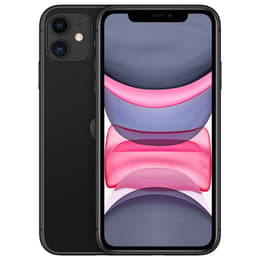
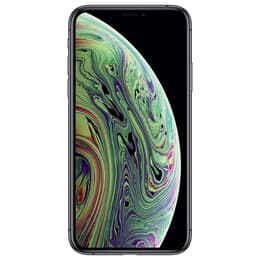
The iPhone 11, released in September 2019, and the iPhone XS, launched in September 2018, represent two consecutive generations of Apple's smartphone lineup. While both devices offer a familiar iOS experience, they feature distinct differences in their display technology, camera capabilities, and internal processing power. These variations cater to different user priorities, from visual fidelity to photographic versatility and overall longevity.
Colour
Storage (GB)
The long-term usability of a smartphone is influenced by its release timeline and the duration of software support it receives.
Year of Release
Compatible with latest Update
OS
Foldable
Evaluating the performance of these devices involves looking at their processing capabilities, multitasking efficiency, and how they manage power consumption.
The visual experience on these smartphones is a key differentiator, primarily due to their underlying display technologies.
Resolution
Screen type
The camera systems on the iPhone 11 and iPhone XS offer different strengths, catering to varied photographic preferences.
Main camera
Front camera
Beyond core features, several practical aspects contribute to the overall user experience of these devices.
Weight
Screen size (in)
Network
SIM card
Carrier compatibility
Connector
When considering the iPhone 11 and iPhone XS, user feedback often highlights distinct preferences. Many users praise the iPhone XS for its premium feel, attributed to its stainless steel frame, and its vibrant OLED display, which offers deep blacks and high contrast. [13, 24, 26] However, some users note that the iPhone XS's battery life can be a concern for heavy usage, often requiring a midday charge. [11, 28]
Conversely, the iPhone 11 frequently receives commendation for its significantly improved battery life, allowing many users to comfortably get through a full day without needing to recharge. [4, 11, 24] Its camera system, particularly the inclusion of an ultra-wide lens and Night Mode, is also a strong point, making it a preferred choice for those who prioritize versatile photography and better low-light performance. [1, 13, 24] Some users, however, express a preference for the OLED screen of the XS over the LCD of the 11. [24]
Users prioritizing a more compact device with a high-contrast OLED display and a telephoto camera for optical zoom may find the iPhone XS well-suited to their needs. On the other hand, users who value extended battery life, a larger screen for media consumption, and a versatile camera system with an ultra-wide lens and superior low-light capabilities will likely lean towards the iPhone 11. Both models offer a reliable iOS experience, and choosing a quality-assured refurbished option for either device provides an eco-friendly alternative to purchasing new.