iPhone

Compare models
Differences at a glance
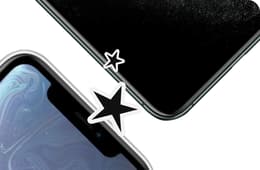
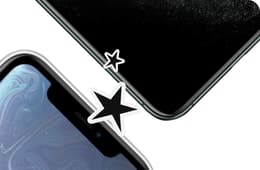
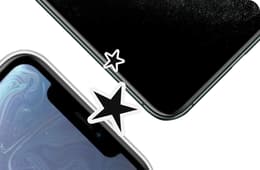
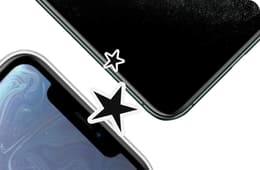
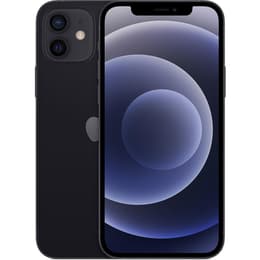
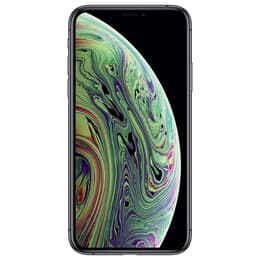
The iPhone 12, released in 2020, and the iPhone XS, launched in 2018, represent two distinct generations of Apple's smartphone line. While both devices operate on the same intuitive software ecosystem, they offer different physical forms and internal technologies that cater to varying user needs. The iPhone 12 introduced a modern flat-edge aesthetic and 5G connectivity, whereas the iPhone XS maintains a classic curved design. Choosing between these two models involves weighing the benefits of newer hardware against the established reliability of a previous flagship.
Colour
Storage (GB)
The two-year age gap between these devices plays a significant role in their expected functional lifespan and software support timeline.
Year of Release
Compatible with latest Update
OS
Foldable
While both smartphones handle everyday tasks with ease, the internal hardware of the iPhone 12 provides a more responsive experience for demanding activities.
Both devices utilize high-quality display technology that provides deep blacks and vibrant colors, though they differ in size and brightness levels.
Resolution
Screen type
The camera systems on these two models offer different photographic strengths, particularly regarding lens configuration and low-light performance.
Main camera
Front camera
Beyond core features, several practical elements differentiate these two devices in daily use.
Weight
Screen size (in)
Network
SIM card
Carrier compatibility
Connector
User feedback often highlights the iPhone 12's advancements in camera capabilities, particularly its Night mode and ultra-wide lens, as significant improvements. Many users appreciate its updated design and the inclusion of 5G connectivity for future-proofing. Some users have noted that while the iPhone 12's battery life is generally good, it may not always be a dramatic improvement over its predecessors, especially with heavy 5G usage.
The iPhone XS is frequently praised for its premium build quality, comfortable ergonomics due to its rounded edges, and its still-capable performance for everyday tasks. Its telephoto lens is a common highlight for those who prefer optical zoom. Criticisms sometimes point to its shorter software support window compared to newer models and its battery performance, which some users report as requiring more frequent charging for heavy use.
Users prioritizing a device with a longer software support lifespan, enhanced low-light photography, an ultra-wide camera, and 5G connectivity will find the iPhone 12 well-suited to their needs. Those who prefer a more compact device with a telephoto lens, a classic design, and robust performance for standard daily tasks may lean toward the iPhone XS. Both models remain highly capable smartphones for the modern user. Choosing a quality-assured refurbished option is an excellent way to acquire these technologies while making a sustainable choice for the environment.