
iPhone

Compare models
Differences at a glance
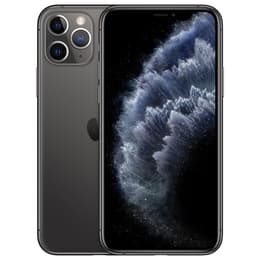
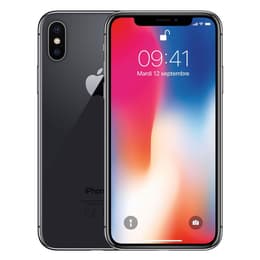
The iPhone X, released in November 2017, marked a significant design evolution for Apple's smartphone line, introducing a full-screen display and Face ID. Its successor, the iPhone 11 Pro, launched in September 2019, built upon this foundation with a focus on enhanced camera capabilities, improved performance, and extended battery life. Both devices operate on Apple's iOS ecosystem, offering a consistent software experience, but they differ in their core hardware and photographic features.
Colour
Storage
When considering the longevity of these devices, their release timelines and subsequent software support are key factors. The iPhone X, introduced in 2017, has received fewer major iOS updates compared to the iPhone 11 Pro, which debuted in 2019. This difference means the iPhone 11 Pro will continue to receive software support and security updates for a longer period.
Year of Release
Compatible with latest Update
OS
Foldable
The performance capabilities of the iPhone 11 Pro and iPhone X show a notable generational leap, primarily driven by advancements in their internal processing units and memory configurations.
Both the iPhone 11 Pro and iPhone X feature 5.8-inch OLED displays, delivering vibrant colors and deep blacks. However, the newer model introduces enhancements in brightness and display technology.
Resolution
Screen type
The camera systems are a primary differentiator between these two iPhone models, with the iPhone 11 Pro introducing a more versatile setup and advanced computational photography features.
Main camera
Front camera
Beyond core performance and display, several practical elements differentiate the iPhone 11 Pro and iPhone X, impacting daily usability and future-proofing.
Weight
Screen size (in)
Network
SIM card
Carrier compatibility
Connector
The iPhone 11 Pro and iPhone X represent distinct generations in Apple's smartphone evolution, each with its own strengths. User feedback often highlights the iPhone 11 Pro's significantly improved camera system, particularly its Night mode and ultra-wide lens, as a major advantage. Its extended battery life is also frequently praised, offering more endurance for daily use. Conversely, the iPhone X, while groundbreaking at its release for its design and Face ID, is noted for its less capable low-light camera performance and shorter battery life compared to its successor.
Users prioritizing advanced photography features, especially in challenging lighting conditions, and those who require longer battery life for extended use, may find the iPhone 11 Pro better suited to their needs. Its more powerful processor also offers a smoother experience for demanding applications and ensures longer software support. For individuals who value a more compact and lighter device, and whose primary smartphone use involves everyday tasks and photography in well-lit environments, the iPhone X remains a capable option. When considering either device, exploring quality-assured refurbished options can provide an eco-friendly alternative for making an informed and sustainable choice.