iPhone

Compare models
Differences at a glance
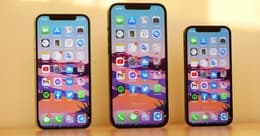
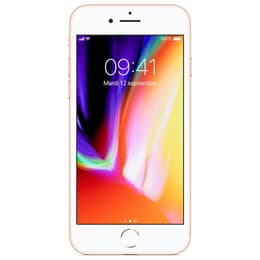
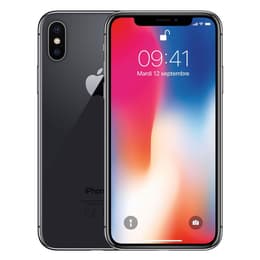
The iPhone 8 and iPhone X, both released in 2017, represent distinct approaches to Apple's smartphone design. The iPhone 8, launched in September, maintained the classic iPhone aesthetic with a physical home button, while the iPhone X, introduced in November, marked a significant design shift with its all-screen front and Face ID technology. Both devices operate on the iOS platform, offering a consistent software experience, but differ notably in their display technology and user interaction methods.
Colour
Storage (GB)
When considering the practical lifespan of these devices, both the iPhone 8 and iPhone X offer similar longevity in terms of software support and physical resilience.
Year of Release
Compatible with latest Update
OS
Foldable
Both the iPhone 8 and iPhone X share the same core processing power, leading to comparable performance in many daily tasks, though differences in RAM and display technology can influence overall user experience.
The display is one of the most significant differentiators between the iPhone 8 and iPhone X, impacting visual experience and overall device aesthetics.
Resolution
Screen type
While both devices are capable of capturing quality images, the iPhone X introduces a more versatile camera system, particularly for advanced photography techniques.
Main camera
Front camera
Beyond core features, several practical elements distinguish the iPhone 8 and iPhone X, influencing daily interaction and overall user experience.
Weight
Width
Height
Depth
Screen size (in)
Network
SIM card
Carrier compatibility
Connector
The iPhone 8 and iPhone X, while sharing the same powerful processor, cater to different user preferences through their distinct designs and feature sets. Users often praise the iPhone 8 for its familiar and reliable design, including the physical home button with Touch ID, and its generally consistent battery performance for its size. Its compact form factor is also a frequent point of appreciation for those who prefer a smaller device. Some users, however, found its design to be less modern compared to its contemporaries.
The iPhone X, on the other hand, is frequently lauded for its innovative, all-screen design and vibrant OLED display, which offers a more immersive visual experience. Its advanced camera system, particularly the addition of a telephoto lens and Portrait Mode for both front and rear cameras, is a significant draw for photography enthusiasts. Face ID, while a new adjustment for some, is often highlighted as a convenient and secure authentication method. Initial concerns about its battery life were noted by some users, though many found it sufficient for a full day's use.
Users prioritizing a traditional iPhone experience with a physical home button and a compact form factor may find the iPhone 8 well-suited to their needs. Conversely, those who value a modern, expansive display, advanced photographic capabilities, and facial recognition technology will likely lean towards the iPhone X. Both devices offer a solid iOS experience, and choosing between them often comes down to personal preference regarding design and specific feature priorities. Opting for a quality-assured refurbished option for either model presents an eco-friendly alternative for consumers.