

iPhone 11 Vs iPhone X

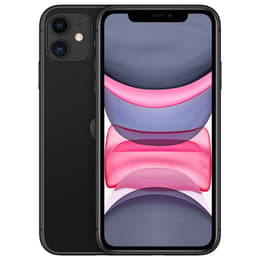
iPhone 11
iPhone 11
Starting at

Refurbished price:154.00

Versus €589.00 new

See options
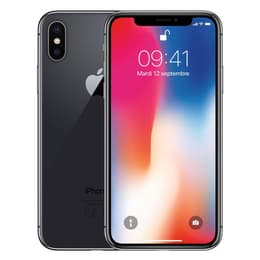
iPhone X
iPhone X
Starting at

Refurbished price:128.00

Versus €509.00 new

See options

Ratings

The iPhone X, released in November 2017, marked a significant design shift for Apple, introducing an all-screen front and Face ID. Two years later, the iPhone 11, launched in September 2019, built upon this foundation with an updated processor and an enhanced camera system. While both devices operate on Apple's iOS ecosystem, the iPhone 11 offers a more recent hardware platform and extended software support.

Scores

Durability

The practical lifespan of a smartphone is heavily influenced by its release date and the duration of software support it receives. The iPhone X and iPhone 11, being released two years apart, have different trajectories in this regard.

  • Release Timeline: The iPhone X, launched in November 2017, is an older device compared to the iPhone 11, which was released in September 2019. This age difference directly impacts their remaining software support.
  • OS Support Duration: The iPhone X received major iOS updates up to iOS 16, with security updates continuing for a period thereafter. The iPhone 11, however, is expected to support major iOS updates until at least late 2026, likely receiving iOS 26 as its final major version, followed by security patches for an additional year or two. This means the iPhone 11 offers a considerably longer period of feature updates and security support.
  • Repairability: Both devices generally score similarly in repairability. The iPhone X received a repairability score of 6 out of 10 from iFixit, with some sources indicating up to 7.5 out of 10, noting that display and battery repairs are relatively accessible. The iPhone 11 also received a repairability score of 6 out of 10, with critical display and battery repairs being prioritised in its design.
  • Expected Practical Lifespan: Users seeking the longest possible software longevity and access to the latest features will find the iPhone 11 to be the more suitable option due to its newer release and extended update window. The iPhone X, while still functional for basic tasks, has reached the end of its major OS update cycle.

Year of Release

2019

2017

Compatible with latest Update

Yes

No

OS

iOS

iOS

Foldable

No

No

Performance

Performance differences between the iPhone X and iPhone 11 stem primarily from their respective internal components, impacting how smoothly they handle various tasks and applications.

  • Processor Capabilities: The iPhone 11 features a newer generation processor, which translates to faster overall performance compared to the iPhone X. This allows the iPhone 11 to handle demanding applications, complex games, and intensive multitasking with greater ease and responsiveness.
  • System Responsiveness: Users will experience quicker app loading times and smoother transitions between applications on the iPhone 11. While the iPhone X remains capable for everyday tasks like browsing and social media, some users have reported occasional lags, particularly with heavy usage or when the battery health has degraded.
  • Battery Behavior: The iPhone 11 generally offers improved battery life due to a larger battery capacity and a more power-efficient processor. In real-world usage, the iPhone 11 can comfortably last through a full day for many users, whereas the iPhone X may require more frequent charging, especially for heavy users or if the battery has aged.
  • Storage Options: Both models were available with various internal storage options, typically starting from 64GB, providing sufficient space for apps, photos, and media for many users. The iPhone 11 also offered a 128GB and 256GB option, while the iPhone X had 64GB and 256GB.

Memory (GB)

4 GB

3 GB

Screen quality

The display is a key differentiator between these two iPhone models, with each offering a distinct visual experience based on its underlying technology.

  • Display Technology: The iPhone X features a 5.8-inch Super Retina OLED display, known for its deep blacks, high contrast ratio, and vibrant colors. In contrast, the iPhone 11 uses a 6.1-inch Liquid Retina LCD screen, which provides accurate, natural colors and good brightness, but cannot achieve the same level of true black or contrast as an OLED panel.
  • Resolution and Clarity: The iPhone X has a higher pixel density (458 pixels per inch) on its smaller screen, resulting in sharper text and finer details. The iPhone 11, with its larger 6.1-inch display, has a lower pixel density (326 pixels per inch), meaning individual pixels may be more discernible upon close inspection.
  • Brightness and Outdoor Use: Both displays offer sufficient brightness for most environments. The iPhone 11's LCD is particularly well-regarded for its clarity and readability in direct sunlight. The iPhone X's OLED also offers good outdoor legibility, with both models typically peaking around 625 nits.
  • Screen Size and Viewing Experience: The iPhone 11 provides a slightly larger viewing area at 6.1 inches, which can enhance multimedia consumption and general browsing. The iPhone X's 5.8-inch display offers a more compact form factor, which some users may prefer for one-handed use.

Resolution

828 x 1792

1125 x 2436

Screen type

Liquid Retina IPS LCD

Super Retina OLED

Audiovisual

Both the iPhone X and iPhone 11 feature dual-camera systems, but their configurations and capabilities differ, leading to varied photographic strengths.

  • Rear Camera System: The iPhone X is equipped with a dual 12-megapixel camera system, comprising a wide-angle lens and a telephoto lens. This telephoto lens enables optical zoom capabilities. The iPhone 11 also has a dual 12-megapixel camera system, but it pairs a wide-angle lens with an ultra-wide-angle lens, allowing for a broader field of view.
  • Photography Performance: The iPhone 11 generally offers improved low-light performance and introduces features like Night Mode, which is not available on the iPhone X. The ultra-wide lens on the iPhone 11 provides more creative options for landscape and architectural photography. The iPhone X's telephoto lens is beneficial for zooming in on subjects without significant loss of detail.
  • Video Recording Quality: Both devices are capable of recording 4K video at various frame rates. The iPhone 11 benefits from improved video stabilization and dynamic range due to its newer processor.
  • Front Camera: The iPhone X features a 7-megapixel TrueDepth front camera, while the iPhone 11 upgrades to a 12-megapixel TrueDepth front camera, offering higher resolution for selfies and video calls.

Main camera

12 megapixels

12 megapixels

Front camera

12 megapixels

7 megapixels

Miscellaneous

Beyond core performance and display, several practical elements contribute to the overall user experience of the iPhone X and iPhone 11.

  • Connectivity Options: Both devices support 4G LTE, Wi-Fi (802.11ac), and Bluetooth. The iPhone 11 includes newer Wi-Fi 6 (802.11ax) and Bluetooth 5.0 standards, offering potentially faster and more stable wireless connections compared to the iPhone X's Wi-Fi 5 (802.11ac) and Bluetooth 5.0.
  • Port Types: Both the iPhone X and iPhone 11 utilize the Lightning port for charging and data transfer. Neither device includes a traditional 3.5mm headphone jack.
  • Biometric Authentication: Both models rely on Face ID for secure facial recognition, which allows for unlocking the device, authenticating purchases, and logging into apps. The iPhone X was the first iPhone to introduce Face ID.
  • Build Materials and Dimensions: The iPhone X features a glass front and back with a polished stainless steel frame, contributing to a premium feel and potentially enhanced durability against drops. The iPhone 11 also has a glass front and back but uses an aluminum frame. The iPhone X is slightly smaller and lighter (143.6 x 70.9 x 7.7 mm, 174g) than the iPhone 11 (150.9 x 75.7 x 8.3 mm, 194g).

Weight

194 g

174 g

Width

7,57 cm

7,09 cm

Height

15,09 cm

14,36 cm

Depth

0,83 cm

0,77 cm

Screen size (in)

6.1

5.8

Network

4G

4G

SIM card

Physical SIM + eSIM

Physical SIM

Carrier compatibility

Unlocked

Unlocked

Connector

Lightning

Lightning

The iPhone X and iPhone 11, while sharing the Apple ecosystem, cater to slightly different user priorities due to their generational differences. Users frequently praise the iPhone X for its pioneering OLED display, which delivers deep blacks and vibrant colors, and its compact form factor with a premium stainless steel build. However, common criticisms often revolve around its more limited battery life compared to newer models and its earlier end-of-life for major iOS updates.

The iPhone 11 is often lauded for its significantly improved battery life, more powerful processor, and the versatility of its ultra-wide camera lens, alongside its longer expected software support. Some users note that its LCD display, while excellent, doesn't offer the same contrast as the OLED on the iPhone X, and its aluminum frame feels less premium to some.

Users prioritizing a more compact device with a superior display for media consumption and a premium feel may find the iPhone X appealing, provided they are comfortable with its shorter remaining software support and potentially more frequent charging. Conversely, users who value extended software longevity, better overall performance for demanding tasks, and a more versatile camera system, particularly for wide-angle shots and low-light conditions, will likely find the iPhone 11 to be the more suitable choice. Its larger screen also offers a more expansive viewing experience. Both models represent solid choices within the refurbished market, offering an eco-friendly alternative for those looking to extend the life cycle of electronic products.