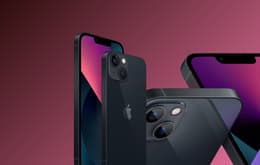

Compare models

iPhone Air Vs Xiaomi Redmi Note 13 4G

  • 1-year minimum warranty
  • Free delivery on all orders
  • Free 30-day returns
iPhone Air
Starting at

Refurbished price:€717.00

Versus €1,339.00 new

See options
Xiaomi Redmi Note 13 4G
Starting at

Refurbished price:€174.00

Versus €340.00 new

See options

Differences at a glance

The iPhone Air (2025) and the Xiaomi Redmi Note 13 4G (2024) are distinct smartphones built for entirely different user groups. While the iPhone Air is an ultra-slim, high-performance device running iOS, the Xiaomi Redmi Note 13 4G serves as an accessible Android-powered option focused on everyday practicality. Choosing between them depends largely on your preferred operating system and hardware priorities.

Available Models

Colour

Storage

Scores

Durability

When evaluating hardware longevity, software support timelines and physical construction play central roles in how long each device remains functional for daily use.

  • Support timelines: The iPhone Air benefits from Apple's long-term software update schedule, whereas the Xiaomi Redmi Note 13 4G follows a standard mid-range Android update path.
  • Build construction: The iPhone Air utilizes a rigid titanium frame and reinforced glass panels, while the Xiaomi Redmi Note 13 4G relies on a plastic frame and durable glass front.
  • Expected lifespan: Both devices are built to handle multi-year usage cycles, though premium internal hardware gives the Apple model greater headroom for future software demands.

Year of Release

2025

2024

Performance

System responsiveness and daily multitasking capabilities vary significantly based on the internal architecture and operating systems of both devices.

  • App handling: The iPhone Air manages demanding applications and complex multitasking smoothly, while the Xiaomi Redmi Note 13 4G handles standard daily tasks like web browsing and messaging reliably.
  • Storage configurations: The Apple model starts with higher base storage capacities, whereas the Xiaomi device offers scalable storage tiers to match diverse personal archives.
  • Battery behavior: The Xiaomi Redmi Note 13 4G features a high-capacity battery designed to easily clear a full day of mixed use, while the slimmer iPhone Air balances its battery life with efficient power management.

Screen quality

Visual output and display technologies offer bright, clear viewing experiences tailored to media consumption and daily navigation.

  • Display technology: Both devices feature vibrant OLED panels that deliver deep contrast levels and rich colors for videos and photos.
  • Refresh rate: Both screens support smooth high refresh rate capabilities to make scrolling through text and feeds fluid.
  • Outdoor visibility: High peak brightness levels on both displays ensure text remains legible even under direct sunlight.

Audiovisual

Photography and audio capabilities cater to casual creators and everyday communication needs through distinct lens configurations and speaker setups.

  • Camera systems: The iPhone Air uses a streamlined single high-resolution rear lens, while the Xiaomi Redmi Note 13 4G offers a versatile multi-lens array including an ultra-wide option.
  • Video and low light: The Apple device excels in capturing detailed video and low-light imagery, whereas the Xiaomi model handles everyday point-and-shoot tasks adequately.
  • Media consumption: Both handsets deliver clear audio for calls and media, though speaker depth and fidelity reflect their respective design classes.

Miscellaneous

Physical dimensions and connectivity standards define how comfortably each phone fits into daily routines and travel gear.

  • Design profile: The iPhone Air stands out for its record-breaking thinness and lightweight titanium build, whereas the Xiaomi Redmi Note 13 4G offers a more traditional plastic-and-glass footprint.
  • Port connectivity: The Apple model relies exclusively on a USB-C port and digital SIM cards, while the Xiaomi alternative includes dual physical SIM slots and expandable storage flexibility.
  • Biometric security: The iPhone Air uses advanced facial recognition, while the Xiaomi Redmi Note 13 4G features a convenient side-mounted fingerprint sensor.

Screen size (in)

6.5

6.67

Network

5G

4G

SIM card

eSIM

Dual Physical SIM

Carrier compatibility

Unlocked

Unlocked

Connector

USB-C

USB-C

What the community thinks

User feedback from online communities highlights distinct preferences for each handset. Owners of the iPhone Air frequently praise its remarkably thin profile, premium materials, and fluid system performance. At the same time, some users note the absence of expandable storage and a physical SIM slot. For the Xiaomi Redmi Note 13 4G, users often commend its dependable daily battery longevity and reliable screen quality, though others point out that heavy gaming or intensive multitasking can push its processor to its limits.

Users prioritizing maximum processing power, a featherlight profile, and long-term software updates may prefer the iPhone Air, while users seeking a practical Android device for everyday communication and media consumption will find the Xiaomi Redmi Note 13 4G well-suited to their needs. For those exploring eco-friendly alternatives, choosing a quality-assured refurbished option provides a sustainable way to access these technologies without compromising on performance.