

Galaxy S21 5G Vs iPhone 14 Pro Max

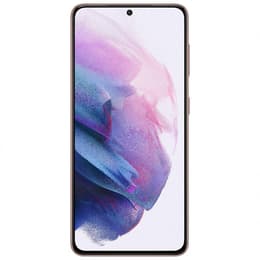
Galaxy S21 5G
Galaxy S21 5G
Starting at

Refurbished price:171.00

Versus €859.00 new

See options
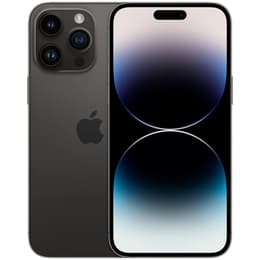
iPhone 14 Pro Max
iPhone 14 Pro Max
Starting at

Refurbished price:446.00

Versus €1,489.00 new

See options

Ratings

The Samsung Galaxy S21 5G, released in January 2021, and the iPhone 14 Pro Max, launched in September 2022, represent distinct approaches to high-end smartphone design and functionality. While both devices offer premium experiences, the iPhone 14 Pro Max introduces a newer generation of hardware and software features, alongside Apple's iOS ecosystem, contrasting with the Galaxy S21 5G's Android platform and earlier specifications. Key differences lie in their display technologies, camera capabilities, and overall system performance.

Scores

Durability

The longevity of a smartphone is influenced by its release timeline, software support, and physical resilience. The Galaxy S21 5G, launched in early 2021, runs on the Android operating system, typically receiving several years of major OS updates and security patches. The iPhone 14 Pro Max, released in late 2022, benefits from a more recent launch, offering an extended period of iOS updates and support.

  • Software Support: The iPhone 14 Pro Max, being a newer device, is expected to receive software updates for a longer duration compared to the Galaxy S21 5G, providing extended access to new features and security enhancements. [2]
  • Physical Durability: Both devices feature robust builds with IP68 ratings for dust and water resistance. The iPhone 14 Pro Max incorporates Ceramic Shield front cover for enhanced drop performance, while the Galaxy S21 5G uses Gorilla Glass Victus on its display and an aluminum frame. [1, 3, 13, 18, 23, 25]
  • Repairability: The Galaxy S21 5G has been noted for a relatively accessible design for repairs, with some sources indicating a repairability score around 7.5 out of 10, though battery replacement can be challenging due to strong adhesive. The iPhone 14 Pro Max, while designed with precision, typically presents a more complex repair process. [10, 15, 42, 44]

Year of Release

2021

2022

Compatible with latest Update

Yes

Yes

OS

Android

iOS

Foldable

No

No

Performance

Performance in smartphones is determined by the internal processing unit, memory, and storage, impacting how smoothly applications run and how efficiently tasks are handled. Both devices were equipped with powerful processors for their respective release periods, designed to manage demanding applications and multitasking.

  • Processing Power: The iPhone 14 Pro Max features a newer generation processor, which provides enhanced performance for intensive applications, graphics-heavy games, and complex computational tasks. The Galaxy S21 5G, while still capable, offers performance consistent with its earlier release, handling everyday tasks and most applications smoothly. [9, 11, 27]
  • Multitasking and Responsiveness: The iPhone 14 Pro Max's combination of its efficient operating system and powerful processor contributes to fluid navigation and quick app loading times. The Galaxy S21 5G, with its ample RAM, also delivers a responsive user experience, allowing for efficient switching between multiple applications. [9, 16, 33]
  • Storage Options: The iPhone 14 Pro Max offers a wider range of internal storage configurations, extending up to 1TB, catering to users with extensive storage needs for media and applications. The Galaxy S21 5G provides storage options up to 256GB, which is suitable for many users but lacks expandable storage. [1, 5, 6, 9, 11, 13, 14, 16, 18, 23, 33]
  • Battery Behavior: The iPhone 14 Pro Max generally offers extended battery life, often lasting a full day or more for many users, even with features like the Always-On display. The Galaxy S21 5G's battery typically provides sufficient power for a full day of moderate use, though heavy usage may require more frequent charging. [7, 8, 26, 27, 29, 38, 41]

Memory (GB)

8 GB

6 GB

Screen quality

The display is a primary interface for smartphone interaction, with technology, resolution, and brightness significantly influencing the visual experience. Both the Galaxy S21 5G and the iPhone 14 Pro Max feature high-quality OLED displays, offering vibrant colors and deep blacks.

  • Display Technology and Clarity: The iPhone 14 Pro Max boasts a 6.7-inch LTPO Super Retina XDR OLED display with a resolution of 2796 x 1290 pixels, providing exceptional sharpness and color accuracy. The Galaxy S21 5G features a 6.2-inch Dynamic AMOLED 2X display with a 2400 x 1080 pixel resolution, delivering clear and vivid visuals. [1, 3, 6, 9, 13, 17, 18, 20, 22, 25, 30, 33, 37]
  • Brightness and Outdoor Visibility: The iPhone 14 Pro Max achieves higher peak brightness levels, reaching up to 2000 nits in outdoor conditions, which significantly enhances visibility in direct sunlight. The Galaxy S21 5G also offers strong brightness, with a peak of 1300 nits, ensuring good readability in various lighting environments. [2, 3, 17, 18, 20, 22, 25, 30, 33]
  • Refresh Rate and Smoothness: Both devices feature adaptive 120Hz refresh rates, contributing to smooth scrolling and fluid animations. The iPhone 14 Pro Max's ProMotion technology can dynamically adjust its refresh rate down to 1Hz, optimizing power efficiency, especially with its Always-On display feature. [2, 3, 17, 18, 20, 22, 25, 30, 33]
  • Unique Display Features: The iPhone 14 Pro Max introduces the Dynamic Island, an interactive area around the front camera cutout that adapts to display alerts, notifications, and ongoing activities. It also includes an Always-On display, showing essential information without fully waking the screen. [2, 3, 11, 17, 20, 25]

Resolution

1080 x 2400

1290 x 2796

Screen type

Dynamic AMOLED 2X

LTPO Super Retina XDR OLED

Audiovisual

Camera systems are a crucial aspect of modern smartphones, with both devices offering advanced capabilities for photography and videography. They each feature multi-lens setups designed to capture a variety of shots and scenarios.

  • Rear Camera System: The iPhone 14 Pro Max features a Pro camera system with a 48MP main sensor, a 12MP ultrawide lens, and a 12MP 3x telephoto lens, excelling in detail capture, especially with its ProRAW format, and offering improved low-light performance. The Galaxy S21 5G comes with a triple camera setup including a 12MP wide, a 64MP telephoto with 3x hybrid zoom, and a 12MP ultrawide lens, providing versatile shooting options and good performance in various conditions. [1, 3, 5, 9, 13, 14, 19, 23, 24, 25, 26, 28, 31, 36, 40, 41, 43, 45, 46]
  • Low-Light and Everyday Photography: The iPhone 14 Pro Max demonstrates notable improvements in low-light photography, capturing more detail and better white balance in challenging conditions. The Galaxy S21 5G also performs well in low light, particularly in auto mode, and offers good focus and subject tracking for everyday photos. [4, 26, 28, 36, 41, 46]
  • Video Recording Capabilities: Both phones are capable of high-resolution video recording. The iPhone 14 Pro Max supports 4K video at up to 60fps, with advanced features like Cinematic mode for shallow depth of field and Action mode for enhanced stabilization. The Galaxy S21 5G can record up to 8K at 24fps and 4K at 60fps, and includes features like Director's View for switching between lenses during recording. [1, 3, 13, 19, 23, 24, 36, 40, 45]
  • Front Camera: The iPhone 14 Pro Max is equipped with a 12MP front camera with autofocus, delivering sharp selfies and improved video calls. The Galaxy S21 5G features a 10MP front camera that provides clear and capable results for self-portraits and video conferencing. [1, 3, 6, 13, 23, 24, 26, 28, 36, 45]

Main camera

12 megapixels

48 megapixels

Front camera

10 megapixels

12 megapixels

Miscellaneous

Beyond core specifications, several practical elements contribute to the overall user experience, including connectivity, physical design, and integrated sensors. These features can influence daily usability and interaction with the device.

  • Connectivity: Both devices support 5G connectivity for fast mobile data. The iPhone 14 Pro Max features Bluetooth 5.3 and Wi-Fi 6, while the Galaxy S21 5G supports Bluetooth 5.0 (or 5.1 in some regions) and Wi-Fi 6. The iPhone 14 Pro Max also includes emergency satellite connectivity. [1, 2, 9, 13, 14, 16, 23, 33]
  • Ports and Biometrics: The iPhone 14 Pro Max utilizes Apple's proprietary Lightning port for charging and data transfer, and relies on Face ID for secure authentication. The Galaxy S21 5G features a USB-C port, a widely adopted standard, and incorporates an ultrasonic in-display fingerprint sensor for biometric security. [1, 13, 14, 16, 23, 31, 33, 37]
  • Design and Handling: The iPhone 14 Pro Max is a larger and heavier device, weighing 240g with dimensions of 160.7 x 77.6 x 7.9 mm, offering a substantial feel. The Galaxy S21 5G is more compact and lighter at 169-171g and 151.7 x 71.2 x 7.9 mm, making it easier for one-handed use for some users. [1, 2, 12, 13, 14, 16, 18, 22, 23]
  • Build Materials: The iPhone 14 Pro Max features a stainless steel frame and a glass back, contributing to its premium feel. The Galaxy S21 5G uses an aluminum frame with a glass front and a plastic back, which can offer a different tactile experience. [1, 18]

Weight

169 g

120 g

Screen size (in)

6.2

6.7

Network

5G

5G

SIM card

Dual Physical SIM + eSIM

Physical SIM + eSIM

Carrier compatibility

Unlocked

Unlocked

Connector

USB-C

Lightning

User feedback for the iPhone 14 Pro Max often highlights its exceptional battery life, powerful performance, and the significant improvements in its camera system, particularly the detail captured by the 48MP main sensor and its low-light capabilities. The Dynamic Island is frequently praised for its innovative approach to notifications and multitasking. Some users, however, note its considerable size and weight as a factor requiring adjustment. [7, 8, 27, 28, 29, 38, 41, 43]

For the Galaxy S21 5G, common praise points include its vibrant display, versatile camera system with good everyday performance, and its comfortable, compact design. Users appreciate the smooth 120Hz display and the overall responsiveness of the device. Criticisms sometimes point to its battery life being less enduring than some competitors, especially with heavy use, and the absence of expandable storage. [26, 33, 38, 46]

Users prioritizing a device with the latest processing power, an extended software support timeline, and a highly capable camera system with advanced video features may find the iPhone 14 Pro Max well-suited to their needs. Its larger display and longer battery life also cater to those who consume a lot of media or require extended usage between charges. Conversely, users who prefer a more compact and lighter device, an Android operating system with its customization options, and a versatile camera for general use might lean toward the Galaxy S21 5G. Both devices offer robust performance for daily tasks and multimedia consumption.

For those considering either of these powerful smartphones, exploring quality-assured refurbished options can provide an eco-friendly alternative, extending the life cycle of these devices while offering a reliable user experience.

See all articles

Our recent comparisons