

Compare models
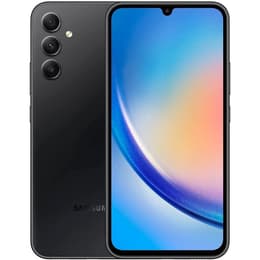
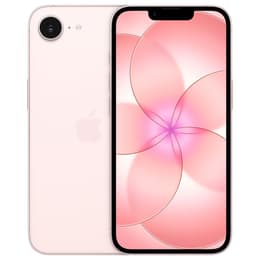
Galaxy A34 Vs iPhone 17e
- 1-year minimum warranty
- Free delivery on all orders
- Free 30-day returns
Differences at a glance
The Samsung Galaxy A34 (2023) and the Apple iPhone 17e (2026) represent two distinct approaches to everyday mobile technology, catering to different operating system preferences and user routines. While the Galaxy A34 runs on Android and delivers a broad feature set geared toward media consumption, the iPhone 17e operates on iOS and introduces updated internals with a focus on streamlined efficiency. These devices differ primarily in their software ecosystems, physical footprints, and release timelines.
Available Models
Colour
Storage
Scores
Durability
When evaluating hardware longevity and software support, both devices offer robust timelines aligned with their respective release years and brand policies.
- Software support windows: The iPhone 17e benefits from a later release date and extended Apple software lifecycle support, whereas the Galaxy A34 relies on Samsung's multi-year update commitment starting from its 2023 launch.
- Build durability and repairability: Both models incorporate dust and water resistance standards suitable for daily environments, with standardized repair pathways available through manufacturer and independent channels.
- Expected practical lifespan: Users can anticipate several years of reliable daily performance from both devices, though the newer Apple model retains an advantage in long-term system update availability.
Year of Release
2023
2026
OS
Android
iOS
Foldable
No
No
Performance
Underneath their exteriors, both smartphones handle daily tasks, multitasking, and media playback through capable internal configurations tailored to their operating systems.
- Storage and memory configurations: The Galaxy A34 offers expandable storage options via microSD alongside standard memory capacities, while the iPhone 17e provides fixed high-capacity internal storage tiers starting at larger baseline amounts.
- Everyday system responsiveness: Both devices load apps quickly, switch between active programs smoothly, and handle moderate gaming without significant stutter, thanks to efficient hardware and optimized operating systems.
- Battery behavior: Each phone is equipped to last through a standard day of mixed usage, including web browsing, messaging, and video streaming, before requiring a recharge.
Screen quality
Visual output and display responsiveness play a central role in the daily user experience for both smartphones.
- Display technology: Both models utilize OLED display panels that deliver high contrast ratios, deep black levels, and vivid color reproduction for photos and videos.
- Brightness and outdoor visibility: Each screen adjusts dynamically to ambient light conditions, ensuring text remains legible under direct sunlight or bright outdoor environments.
- Refresh rate and smoothness: The Galaxy A34 features a high refresh rate panel for fluid scrolling through feeds and menus, while the iPhone 17e balances visual clarity with efficient power management across its interface.
Resolution
1080 x 2340
2532 x 1170
Audiovisual
Optics and media recording capabilities differ between the two devices, reflecting distinct hardware layouts and software processing styles.
- Rear camera systems: The Galaxy A34 utilizes a versatile multi-lens rear setup including macro and ultra-wide options, whereas the iPhone 17e employs a single high-resolution primary sensor with software-driven zoom functionality.
- Low-light and video performance: Both phones capture clear everyday snapshots and record stable video in varying lighting conditions, with built-in stabilization reducing motion blur during handheld recording.
- Audio and calls: Integrated stereo speakers and multi-microphone arrays ensure clear voice transmission during calls and immersive sound output during media playback.
Front camera
13 megapixels
12 megapixels
Miscellaneous
Practical daily usability is shaped by connectivity standards, physical dimensions, and security authentication features.
- Connectivity and ports: Both models support current wireless standards including 5G connectivity and fast Wi-Fi, utilizing reversible port connections for charging and data transfer.
- Biometric security: The Galaxy A34 provides an under-display optical fingerprint sensor, while the iPhone 17e relies on facial recognition technology for device unlocking and secure verification.
- Physical handling: The Galaxy A34 offers a slightly larger screen real estate within a broader chassis, whereas the iPhone 17e presents a more compact, lightweight form factor that fits easily into pockets and smaller bags.
Weight
199 g
169 g
Screen size (in)
6.6
6.1
Network
5G
5G
SIM card
Dual Physical SIM
eSIM
Carrier compatibility
Unlocked
Unlocked
Connector
USB-C
USB-C (USB 2)
What the community thinks
Community discussions highlight distinct preferences for each device based on user habits and ecosystem alignment. Galaxy A34 users frequently praise its expansive display, reliable battery longevity, and expandable storage flexibility. Conversely, iPhone 17e users often emphasize the smooth integration within the iOS ecosystem, robust application optimization, and compact handling. Users prioritizing customisation, expandable memory, and multimedia screen size may prefer the Galaxy A34, while those leaning toward long-term software support, streamlined software, and compact build dimensions will find the iPhone 17e well-suited to their needs. For consumers exploring sustainable purchasing decisions, choosing a quality-assured refurbished option provides a practical, eco-friendly alternative that extends device lifecycles without compromising on everyday functionality.









