

Compare models

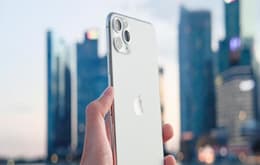
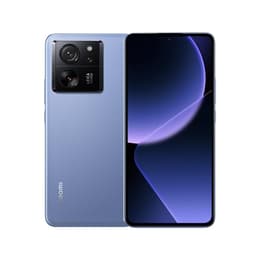
iPhone Air Vs Xiaomi 13T

  • 1-year minimum warranty
  • Free delivery on all orders
  • Free 30-day returns
iPhone Air
Starting at

Refurbished price:€717.00

Versus €1,339.00 new

See options
Xiaomi 13T
Starting at

Refurbished price:€258.00

Versus €699.99 new

See options

Differences at a glance

The iPhone Air (2025) and the Xiaomi 13T (2023) are distinct smartphones representing different engineering priorities, release timelines, and software ecosystems. While Apple's model emphasizes an ultra-slim titanium build and proprietary iOS integration, Xiaomi's device focuses on versatile multi-lens photography and a balanced feature set running on Android with customized software. These two devices cater to contrasting user preferences regarding physical design, camera versatility, and operating system environments.

Available Models

Colour

Storage

Scores

Durability

When evaluating structural longevity and software support, both devices offer robust update paths tailored to their respective release years and software ecosystems.

  • Software longevity: The iPhone Air benefits from Apple's extended update lifecycle supporting iOS, whereas the Xiaomi 13T follows a multi-generation Android OS upgrade commitment.
  • Repairability and build: Both models utilize durable exterior materials, though repair procedures and component availability vary by regional service networks.
  • Expected lifespan: Users can anticipate several years of reliable daily operation from both handsets, depending on battery health maintenance and usage intensity.

Year of Release

2025

2023

Performance

Daily operation and multitasking capabilities differ due to the underlying hardware configurations and storage architecture of each smartphone.

  • System responsiveness: Both devices handle standard web browsing, messaging, and media streaming smoothly, though demanding mobile games run with distinct graphical efficiencies.
  • Multitasking management: Generous RAM allocations on both models allow seamless switching between multiple active background applications.
  • Battery behavior: Battery endurance varies under heavy load conditions, with the physical battery capacity requiring more frequent recharging sessions for intensive daily users.

Screen quality

Visual output and display responsiveness provide contrasting viewing experiences for media consumption and navigation.

  • Display technology: Both smartphones feature vibrant OLED panels that deliver deep contrast levels and rich color reproduction.
  • Refresh rate smoothness: High refresh rate support ensures fluid scrolling through menus, web pages, and supported applications.
  • Outdoor visibility: Maximum brightness levels allow screen content to remain legible under direct sunlight or bright ambient lighting conditions.

Audiovisual

Optics and media recording systems offer different creative tools depending on whether users prioritize simplified single-lens capture or multi-lens versatility.

  • Camera configuration: The iPhone Air utilizes a streamlined single high-resolution rear setup, while the Xiaomi 13T incorporates a triple-lens array featuring dedicated telephoto and ultra-wide options.
  • Video recording: Both devices capture detailed video footage with stabilization features suited for everyday recording and casual content creation.
  • Audio output: Integrated speaker configurations deliver clear sound for hands-free calls, voice notes, and media playback.

Miscellaneous

Physical dimensions and connectivity standards shape the everyday handling and portability of each device.

  • Build profile: The iPhone Air stands out for its exceptionally thin profile and lightweight titanium construction, whereas the Xiaomi 13T features a standard thickness and balanced weight distribution.
  • Port connectivity: Modern universal charging ports are utilized for power delivery and data transfer across both models.
  • Security sensors: Biometric authentication methods include secure facial recognition on the Apple device and an in-display fingerprint scanner on the Xiaomi alternative.

Screen size (in)

6.5

6.67

Network

5G

5G

SIM card

eSIM

Dual Physical SIM

Carrier compatibility

Unlocked

Unlocked

Connector

USB-C

USB-C

What the community thinks

User feedback from online forums highlights distinct preferences for each smartphone. Owners of the iPhone Air frequently praise its remarkably thin form factor, lightweight feel in the hand, and smooth display responsiveness. Conversely, users of the Xiaomi 13T often emphasize appreciation for its flexible multi-lens camera system, rapid charging capabilities, and solid daily reliability. Common discussions note that the slim profile of Apple's device leaves less room for physical battery capacity, while Xiaomi's software interface receives mixed feedback depending on user familiarity with custom Android environments.

Users prioritizing an ultra-slim profile, titanium build, and ecosystem integration may prefer the iPhone Air, while users seeking a versatile multi-lens camera system and traditional hardware ergonomics often lean toward the Xiaomi 13T. Choosing a quality-assured refurbished option provides a sustainable choice that extends device lifecycles while reducing electronic waste. Ultimately, aligning device choice with personal operating system preferences and daily usage habits ensures long-term satisfaction.