

iPhone 16e Vs Xiaomi 12T

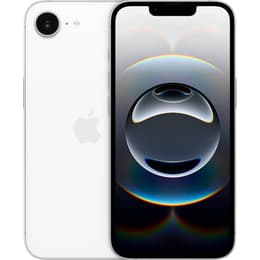
iPhone 16e
iPhone 16e
Starting at

Refurbished price:387.00

Versus €719.00 new

See options
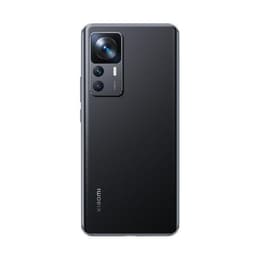
Xiaomi 12T
Xiaomi 12T
Starting at

Refurbished price:140.00

Versus €649.00 new

See options

Ratings

The iPhone 16E, released in early 2025, and the Xiaomi 12T, launched in late 2022, represent distinct approaches to smartphone design and functionality. While the iPhone 16E operates on Apple's iOS ecosystem, the Xiaomi 12T runs on Android with Xiaomi's MIUI overlay. Key differentiators include their display technologies, camera systems, and overall software experiences.

Scores

Durability

The practical lifespan of a smartphone is influenced by its release timeline, software support, and physical durability.

  • Release Timeline: The iPhone 16E, introduced in February 2025, benefits from a more recent launch, offering a longer period of anticipated software updates compared to the Xiaomi 12T, which was released in October 2022.
  • Software Longevity: The iPhone 16E shipped with iOS 18.3 and supports iOS 26, indicating a commitment to several years of operating system updates. The Xiaomi 12T launched with Android 12 and MIUI 13, and while it receives updates, the duration of major OS upgrades typically differs between iOS and Android devices.
  • Physical Durability: The iPhone 16E features Ceramic Shield protection on its display and boasts an IP68 rating for water and dust resistance, allowing submersion up to 6 meters for 30 minutes. The Xiaomi 12T utilizes Corning Gorilla Glass 5 for screen protection.

Year of Release

2025

2022

OS

iOS

Android

Foldable

No

No

Performance

Performance in daily use is a critical aspect, encompassing how smoothly applications run, how efficiently the device handles multiple tasks, and its battery behavior.

  • Processing Power: The iPhone 16E is equipped with the A18 chip, designed to handle demanding applications and multitasking with efficiency, and supports Apple Intelligence features. The Xiaomi 12T is powered by the MediaTek Dimensity 8100-Ultra processor, which provides capable performance for everyday tasks and gaming.
  • Multitasking and Responsiveness: Both devices offer configurations with ample RAM to support smooth multitasking. The iPhone 16E comes with 8GB of RAM, contributing to its fluid user experience. The Xiaomi 12T is available with 8GB of LPDDR5 RAM, ensuring responsive operation across various applications.
  • Battery Behavior: The iPhone 16E offers up to 26 hours of video playback and 90 hours of audio playback, suggesting extended usage between charges. The Xiaomi 12T features a 5000 mAh battery, which generally provides a full day of use for many users, and supports 120W fast charging for rapid power replenishment.

Memory (GB)

8 GB

8 GB

Screen quality

The display is the primary interface for user interaction, and its quality significantly impacts the viewing experience.

  • Display Technology and Clarity: The iPhone 16E features a 6.1-inch Super Retina XDR OLED display with a resolution of 2532 x 1170 pixels, offering deep blacks and vibrant colors. The Xiaomi 12T sports a larger 6.67-inch AMOLED display with a resolution of 2712 x 1220 pixels, also providing rich colors and contrast.
  • Brightness and Refresh Rate: The iPhone 16E's display reaches 800 nits typical brightness and up to 1200 nits peak brightness for HDR content, with a standard 60 Hz refresh rate. The Xiaomi 12T offers a typical brightness of 500 nits and a peak of 900 nits, combined with a smoother 120 Hz refresh rate for more fluid scrolling and animations.
  • Design Elements: The iPhone 16E retains a notch design for its front camera and sensors. The Xiaomi 12T features a hole-punch cutout for its front camera, maximizing screen real estate.

Resolution

2532x1170

1220 x 2712

Audiovisual

Camera capabilities are a significant factor for many users, influencing how they capture and share moments.

  • Rear Camera Systems: The iPhone 16E features a 48 MP Fusion main camera with an f/1.6 aperture and optical image stabilization, capable of 2x optical zoom through sensor cropping. The Xiaomi 12T offers a triple camera setup, including a 108 MP main sensor with OIS, an 8 MP ultrawide lens, and a 2 MP macro lens.
  • Photography Performance: The iPhone 16E's camera is designed to capture detailed photos with good low-light performance and supports 4K video recording up to 60 frames per second. The Xiaomi 12T's 108 MP main camera delivers vibrant and detailed stills, and its ultrawide lens provides a broader perspective, with the main camera supporting 4K video at 30 frames per second.
  • Front Camera and Audio: Both devices feature capable front-facing cameras for selfies and video calls; the iPhone 16E has a 12 MP front camera, while the Xiaomi 12T has a 20 MP front camera. For audio, the Xiaomi 12T includes dual speakers with Dolby Atmos support for an immersive media consumption experience.

Front camera

TrueDepth 12MP

20 megapixels

Miscellaneous

Beyond core features, several practical elements contribute to the overall user experience and device utility.

  • Connectivity and Ports: Both devices support 5G connectivity and Wi-Fi 6 for fast wireless internet. The iPhone 16E features a USB-C port, aligning with modern universal charging standards. The Xiaomi 12T also uses a USB-C port.
  • Biometric Security: The iPhone 16E relies on Face ID for secure authentication and unlocking. The Xiaomi 12T incorporates an in-display fingerprint sensor for convenient and secure access.
  • Design and Handling: The iPhone 16E includes an Action Button, offering customizable quick access to various functions. The Xiaomi 12T has a design that includes a glass front and a plastic back, with a weight of 202g.

Weight

167 g

220 g

Screen size (in)

6.1

6.67

Network

5G

5G

SIM card

eSIM

Dual Physical SIM

Carrier compatibility

Unlocked

Unlocked

Connector

USB-C

USB-C

The iPhone 16E and Xiaomi 12T cater to different user preferences, each offering a distinct set of strengths. Users often praise the iPhone 16E for its seamless integration within the Apple ecosystem, robust software support, and consistent camera performance. Its A18 chip provides a powerful and efficient experience, particularly for those invested in Apple's services and applications. Some users, however, might note its 60 Hz display refresh rate as a point of comparison against devices with higher refresh rates.

Conversely, the Xiaomi 12T is frequently lauded for its vibrant 120 Hz AMOLED display, offering a smoother visual experience, and its exceptionally fast 120W charging capability, which significantly reduces downtime. Its 108 MP main camera is also a highlight for many, capturing detailed images. Criticisms sometimes point to the MIUI software experience, which, while feature-rich, can be a matter of personal preference compared to stock Android or iOS. Additionally, some users have reported that the ultrawide and macro cameras are less impressive than the main sensor.

Users prioritizing a long-term software commitment, a highly integrated ecosystem, and advanced computational photography may find the iPhone 16E well-suited to their needs. Those who value a high refresh rate display, rapid charging speeds, and a versatile camera system with a high-megapixel main sensor might lean towards the Xiaomi 12T. Both devices offer compelling features, and considering a quality-assured refurbished option for either model can be an eco-friendly alternative for making an informed purchasing decision.


See all articles

Our recent comparisons