

iPhone 8 Vs iPhone XR

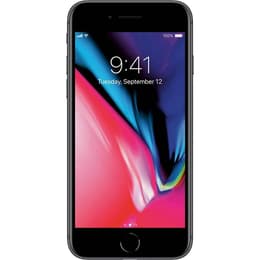
iPhone 8
iPhone 8
Starting at

Refurbished price:95.00

Versus €299.00 new

See options
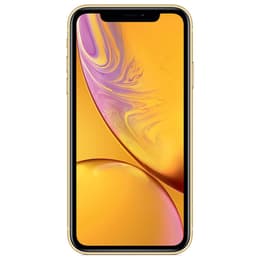
iPhone XR
iPhone XR
Starting at

Refurbished price:123.00

Versus €439.00 new

See options

Ratings

The iPhone 8, released in September 2017, and the iPhone XR, launched in October 2018, represent distinct generations within Apple's smartphone lineup. While both devices operate on the iOS platform, they offer different user experiences primarily due to their design philosophies and internal hardware. The iPhone XR introduces a larger, all-screen display and Face ID, moving away from the traditional Home button design of the iPhone 8, alongside a more advanced processor and enhanced camera capabilities.

Scores

Durability

Evaluating the practical lifespan of these devices involves considering their release timelines, software support, and physical durability.

  • Release Timeline: The iPhone 8 was released in September 2017, making it a year older than the iPhone XR, which debuted in October 2018. This difference in launch date directly impacts their expected software support longevity.
  • Software Longevity: The iPhone XR, being a newer model, is expected to receive major iOS updates for a longer period than the iPhone 8. As of the current date, the iPhone 8's official iOS update support has concluded with iOS 16.7.10, while the iPhone XR continues to receive updates, currently supporting iOS 18.x.
  • Repairability: Both devices received a similar repairability score of 6 out of 10 from iFixit. Common repairs like display and battery replacements are considered relatively straightforward for both. However, the glass back on both models is noted as challenging to replace if damaged, potentially requiring more complex repairs.

Year of Release

2017

2018

Compatible with latest Update

No

Yes

OS

iOS

iOS

Foldable

No

No

Performance

The performance of a smartphone is crucial for daily tasks, from app usage to multitasking and gaming.

  • Processor Capabilities: The iPhone 8 is powered by an A11 Bionic chip, while the iPhone XR features the A12 Bionic chip. The A12 Bionic chip in the iPhone XR offers improved processing power and energy efficiency, leading to faster app loading times and smoother performance, especially in demanding applications and games.
  • Multitasking and Responsiveness: The iPhone XR comes with 3GB of RAM, providing more capacity for running multiple applications simultaneously without significant slowdowns compared to the iPhone 8's 2GB of RAM. This additional memory contributes to a more fluid multitasking experience.
  • Battery Behavior: The iPhone XR generally offers a longer battery life compared to the iPhone 8. Its larger battery capacity (2942 mAh vs. 1821 mAh) combined with the more power-efficient A12 Bionic chip allows for extended usage throughout the day for most users.

Memory

2 GB

3 GB

Screen quality

The display is a primary interface for smartphone interaction, and both devices offer different visual experiences.

  • Display Technology and Size: The iPhone 8 features a 4.7-inch Retina HD IPS LCD display, while the iPhone XR boasts a larger 6.1-inch Liquid Retina HD IPS LCD display. Both utilize LCD technology, but the XR's screen extends closer to the edges of the device, offering a more expansive viewing area.
  • Resolution and Clarity: Both displays have a pixel density of 326 pixels per inch (ppi), meaning they offer similar sharpness for text and images. The iPhone 8 has a resolution of 1334x750 pixels, and the iPhone XR has a resolution of 1792x828 pixels, both considered HD.
  • Brightness and Features: Both phones offer a typical maximum brightness of 625 nits and include True Tone technology, which adjusts the display's white balance to match ambient lighting for a more natural viewing experience. The iPhone 8 includes 3D Touch for pressure-sensitive interactions, while the iPhone XR replaces this with Haptic Touch, which relies on long presses and vibrations.

Resolution

750 x 1334

828 x 1792

Screen type

Retina IPS LCD

Liquid Retina IPS LCD

Audiovisual

Photography and videography capabilities are key considerations for many smartphone users, and these models offer distinct features.

  • Rear Camera System: Both the iPhone 8 and iPhone XR feature a single 12-megapixel wide-angle rear camera with an f/1.8 aperture and optical image stabilization. They are capable of recording 4K video at up to 60 frames per second.
  • Photography Enhancements: The iPhone XR introduces Portrait Mode with advanced bokeh and Depth Control, allowing users to adjust the background blur in portraits, a feature not available on the single-camera iPhone 8. The XR also benefits from Smart HDR for improved detail in highlights and shadows.
  • Front Camera and Audio: Both devices are equipped with a 7-megapixel front-facing camera with an f/2.2 aperture, capable of recording 1080p HD video. The iPhone XR's front camera also supports Portrait Mode. For audio, both offer stereo recording for videos and enhanced speaker output compared to earlier models.

Main camera

12 megapixels

12 megapixels

Front camera

7 megapixels

7 megapixels

Miscellaneous

Beyond core features, several practical elements contribute to the overall user experience and device utility.

  • Connectivity and Ports: Both the iPhone 8 and iPhone XR support LTE cellular connectivity, Wi-Fi (802.11ac), and Bluetooth 5.0. They both utilize Apple's proprietary Lightning port for charging and data transfer, lacking a traditional 3.5mm headphone jack.
  • Biometric Security: The iPhone 8 relies on Touch ID, an integrated fingerprint sensor in the Home button, for secure authentication. The iPhone XR, with its all-screen design, replaces Touch ID with Face ID, using facial recognition for unlocking and secure payments.
  • Design and Durability Features: Both phones feature a glass front and back with an aluminum frame, offering a premium feel and enabling wireless charging. They are rated IP67 for water and dust resistance, meaning they can withstand immersion in up to 1 meter of water for 30 minutes. The iPhone XR is slightly larger and heavier than the iPhone 8.

Weight

148 g

194 g

Width

6,73 cm

7,57 cm

Height

13,84 cm

15,09 cm

Screen size (in)

4.7

6.1

Network

4G

4G

SIM card

Physical SIM

Physical SIM + eSIM

Carrier compatibility

Unlocked

Unlocked

Connector

Lightning

Lightning

User sentiment often highlights the iPhone 8 as a reliable and compact device, praised for its familiar Home button and Touch ID, which some users prefer for quick unlocking. Its smaller size is often appreciated by those who favor one-handed use. Criticisms sometimes point to its smaller screen and battery life compared to newer models.

The iPhone XR is frequently lauded for its larger display, modern all-screen design, and significantly improved battery life, often cited as a strong point for heavy users. Its camera enhancements, particularly Portrait Mode, are also well-received. Some users have noted the LCD screen's resolution is lower than OLED alternatives, though many find its quality perfectly adequate for daily use.

Users prioritizing a compact form factor, the traditional Home button, and Touch ID may find the iPhone 8 well-suited to their needs. It remains a capable device for essential smartphone functions. Conversely, users seeking a larger, more immersive display, enhanced battery endurance, Face ID, and more advanced camera features like Portrait Mode will likely lean towards the iPhone XR. Both devices offer a solid iOS experience, and choosing between them often comes down to preferences for design, screen size, and biometric authentication. For those considering these models, exploring quality-assured refurbished options can provide an eco-friendly alternative.


See all articles

Our recent comparisons