
iPhone

Compare models
Differences at a glance
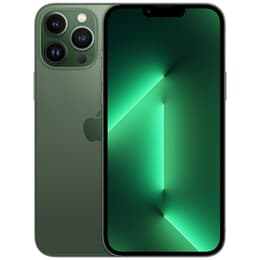
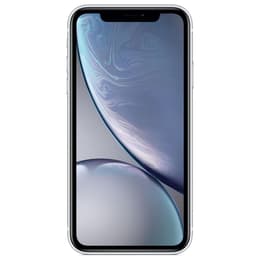
The iPhone 13 Pro, released in September 2021, and the iPhone XR, launched in October 2018, represent different generations within Apple's smartphone lineup. Both devices operate on Apple's iOS ecosystem, offering a consistent user experience. However, they cater to varying user expectations, primarily differing in their display technology, camera capabilities, and overall processing power, reflecting the advancements made over several years.
Colour
Storage
When considering the long-term usability of these devices, their release timelines and Apple's software support policies are key factors.
Year of Release
Compatible with latest Update
OS
Foldable
The performance of these two iPhones showcases the evolution of mobile processing power over several years.
The visual experience is a significant differentiator between these two devices, primarily due to their display technologies.
Resolution
Screen type
The camera systems on the iPhone 13 Pro and iPhone XR offer distinct capabilities, reflecting advancements in mobile photography.
Main camera
Front camera
Beyond core features, several practical elements differentiate the user experience between these two iPhone models.
Weight
Width
Height
Screen size (in)
Network
SIM card
Carrier compatibility
Connector
The iPhone 13 Pro and iPhone XR offer distinct experiences shaped by their respective release dates and technological advancements. User feedback for the iPhone 13 Pro often praises its powerful performance, vibrant OLED display with ProMotion, and highly capable camera system, particularly for photography and videography enthusiasts. Common criticisms have included occasional battery drain over time, potential touchscreen issues, and the continued use of the slower Lightning port for large file transfers.
The iPhone XR, on the other hand, was well-regarded for its solid battery life and overall performance at its launch. However, users frequently noted its LCD display's lower resolution and thicker bezels compared to OLED alternatives, as well as the limitations of its single camera, especially the Portrait mode being restricted to human subjects and the absence of a Night mode.
Users prioritizing a cutting-edge display, advanced camera features, and robust performance for demanding applications will find the iPhone 13 Pro well-suited to their needs. Its extended software support also makes it a strong choice for those seeking longer device longevity. Conversely, users who require a reliable smartphone for everyday tasks, appreciate a simpler camera system, and prefer a device with a slightly more repairable design may lean towards the iPhone XR. Both models, especially as quality-assured refurbished options, provide an eco-friendly alternative for consumers looking to make informed and sustainable choices.