

iPhone X Vs iPhone XR

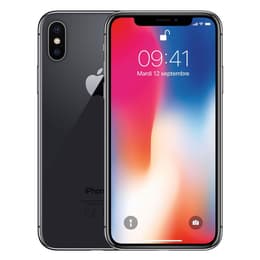
iPhone X
iPhone X
Starting at

Refurbished price:137.00

Versus €439.00 new

See options
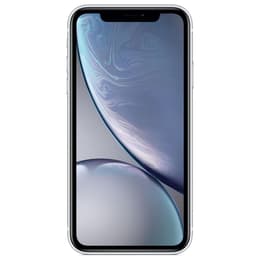
iPhone XR
iPhone XR
Starting at

Refurbished price:126.00

Versus €439.00 new

See options

Ratings

The iPhone X, released in November 2017, and the iPhone XR, launched in October 2018, represent distinct offerings within Apple's smartphone lineup. While both devices introduced the full-screen design and Face ID authentication, they primarily differ in their display technology, camera configurations, and internal processing power. Both operate on Apple's iOS platform, providing a consistent user experience, but cater to slightly different user priorities.

Scores

Durability

When considering the long-term usability of these devices, their release timelines are a key factor.

  • Software Support: The iPhone X, being released in 2017, received major iOS updates until iOS 16. The iPhone XR, from 2018, extended its major software support one year further, typically ending with iOS 17. In 2026, both devices are no longer receiving the latest iOS versions, meaning they will miss out on new features and some app compatibility over time. [2, 3, 7, 11, 20, 22]
  • Practical Lifespan: While both devices remain functional for basic tasks, the iPhone XR's slightly newer processor and extended software support give it a marginal edge in remaining relevant for everyday applications. Both models feature glass backs, which can be costly to repair if damaged. [20]
  • Repairability: Both the iPhone X and iPhone XR received a repairability score of 6 out of 10 from iFixit, indicating moderate ease of repair. Common repairs like display and battery replacements are considered relatively straightforward on both models. [20]

Year of Release

2017

2018

Compatible with latest Update

No

Yes

OS

iOS

iOS

Foldable

No

No

Performance

The performance differences between the iPhone X and iPhone XR stem from their respective internal components, impacting daily usage.

  • Processor Capabilities: The iPhone XR features a newer generation processor compared to the iPhone X. This translates to slightly faster app loading times, smoother multitasking, and better handling of more demanding applications and games. While both devices were powerful for their time, the XR offers a modest performance advantage. [18, 20, 23, 30, 32, 33]
  • Battery Behavior: The iPhone XR is known for its significantly better battery life compared to the iPhone X. Users often report the iPhone XR lasting through a full day of heavy use, whereas the iPhone X may require more frequent charging for similar usage patterns. [3, 18, 23, 29, 31, 35]
  • Storage Options: Both devices offer various storage configurations, typically including 64GB and 256GB. The iPhone XR also had a 128GB option, providing more flexibility for users with moderate storage needs. [7, 8, 11, 17, 19, 22, 25, 33]

Memory

3 GB

3 GB

Screen quality

The display is one of the most significant differentiators between the iPhone X and iPhone XR.

  • Display Technology: The iPhone X features a 5.8-inch OLED Super Retina HD display, which provides deep blacks, high contrast ratios (1,000,000:1 typical), and vibrant colors. [1, 2, 5, 14, 17, 24, 25] In contrast, the iPhone XR utilizes a 6.1-inch LCD Liquid Retina HD display, which offers good color accuracy and brightness but cannot achieve the same level of blackness or contrast as an OLED panel. [3, 4, 8, 11, 19, 26, 28]
  • Resolution and Clarity: The iPhone X has a higher resolution of 2436x1125 pixels at 458 pixels per inch (ppi), resulting in a sharper image. The iPhone XR has a resolution of 1792x828 pixels at 326 ppi. While the XR's display is clear for everyday use, the X offers a noticeably crisper viewing experience, particularly with fine text and detailed images. [1, 4, 5, 8, 11, 26, 32, 35]
  • Brightness and Features: Both displays offer a maximum typical brightness of 625 nits and include True Tone technology, which adjusts the white balance to match ambient light. The iPhone X also includes 3D Touch for pressure-sensitive interactions, a feature replaced by Haptic Touch on the iPhone XR. [1, 3, 4, 17, 18, 28]

Resolution

1125 x 2436

828 x 1792

Screen type

Super Retina OLED

Liquid Retina IPS LCD

Audiovisual

Both devices offer capable camera systems, though with distinct hardware and software approaches.

  • Rear Camera System: The iPhone X features a dual 12-megapixel rear camera system, comprising a wide-angle lens (f/1.8) and a telephoto lens (f/2.4). Both lenses benefit from optical image stabilization (OIS), enabling 2x optical zoom and enhanced Portrait Mode with various lighting effects. [1, 2, 9, 15, 16, 25] The iPhone XR has a single 12-megapixel wide-angle camera (f/1.8) with OIS. It achieves Portrait Mode through software processing and Smart HDR for improved dynamic range. [4, 6, 8, 10, 12, 19, 33]
  • Front Camera: Both phones are equipped with a 7-megapixel TrueDepth front camera (f/2.2) that supports Portrait Mode, Animoji, and Face ID. The iPhone XR also introduced Memoji and Smart HDR for its front camera. [1, 4, 10, 12, 15]
  • Video Recording: Both models are capable of recording 4K video at up to 60 frames per second and offer slow-motion video capabilities. The iPhone X's dual OIS on both rear lenses can contribute to slightly more stable video in certain scenarios. [1, 4, 15]

Main camera

12 megapixels

12 megapixels

Front camera

7 megapixels

7 megapixels

Miscellaneous

Beyond the core features, several practical elements differentiate the iPhone X and iPhone XR.

  • Build Materials and Dimensions: The iPhone X features a polished stainless steel frame, contributing to a more premium feel and a slightly heavier, denser build. It is also more compact and lighter, measuring 143.6 x 70.9 x 7.7 mm and weighing 174 grams. [7, 20, 21, 24, 35] The iPhone XR uses an aerospace-grade aluminum frame, which is lighter and comes in a wider array of colors. It is larger and heavier at 150.9 x 75.7 x 8.3 mm and 194 grams, which may impact one-handed use for some users. [8, 11, 19, 20, 21, 33, 35]
  • Connectivity: Both devices support 4G LTE for cellular data, Wi-Fi 5 (802.11ac), and Bluetooth 5.0. Neither device includes 5G connectivity. [2, 20, 25]
  • Authentication and Interaction: Both phones rely on Face ID for secure authentication. The iPhone X includes 3D Touch, allowing for pressure-sensitive shortcuts, while the iPhone XR features Haptic Touch, which provides haptic feedback for long presses. [2, 3, 4, 18, 28]

Weight

174 g

194 g

Screen size (in)

5.8

6.1

Network

4G

4G

SIM card

Physical SIM

Physical SIM + eSIM

Carrier compatibility

Unlocked

Unlocked

Connector

Lightning

Lightning

User feedback often praises the iPhone X for its pioneering design, premium feel, and the vibrant OLED display that delivers deep blacks and excellent contrast. Its dual camera system, particularly the optical zoom, is also a frequent highlight. However, common criticisms include its relatively shorter battery life compared to newer models and its earlier end-of-life for major software updates. [18, 20, 21, 27, 31]

The iPhone XR is frequently lauded for its excellent battery life, larger screen for general use, and its slightly newer processor, which provides a bit more longevity for app compatibility. Users appreciate its balance of features and performance. Its main criticism often revolves around the LCD display's lower resolution compared to OLED alternatives, though many find it perfectly adequate for daily use. [18, 20, 21, 23, 26, 29, 31, 32]

For users prioritizing a compact device, a premium build, and a vibrant OLED display with optical zoom capabilities for photography, the iPhone X may be a suitable choice. Conversely, users who value longer battery life, a larger screen for media and browsing, and a slightly newer processor for extended app compatibility, and who are content with an LCD display, might lean towards the iPhone XR. Both models are available as quality-assured refurbished options, offering an eco-friendly alternative for those seeking to extend the life of these devices.


See all articles

Our recent comparisons