
iPhone SE (2020) Vs iPhone XR

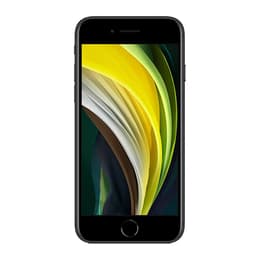
iPhone SE (2020)
iPhone SE (2020)
Starting at

Refurbished price:99.00

Versus €319.00 new

See options
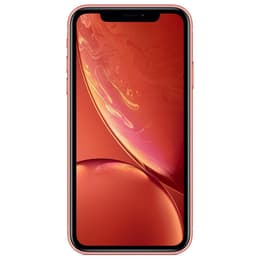
iPhone XR
iPhone XR
Starting at

Refurbished price:127.00

Versus €439.00 new

See options

Ratings

The iPhone SE 2020 and iPhone XR are two distinct Apple smartphones, released in April 2020 and October 2018, respectively. While both offer the iOS experience, they cater to different user preferences primarily through their design, display size, and biometric authentication methods. The iPhone SE 2020 features a compact design with a Home button, whereas the iPhone XR presents a larger, all-screen design with Face ID.

Scores

Durability

When considering the longevity of these devices, several factors come into play, including their release dates and expected software support.

  • Release Timeline: The iPhone SE 2020 was released in April 2020, making it approximately 18 months newer than the iPhone XR, which launched in October 2018. This difference in release date directly impacts their expected software support.
  • OS Support Duration: Apple typically provides iOS updates for its devices for about five to six years from their release. Given its later launch, the iPhone SE 2020 is anticipated to receive software updates for roughly one year longer than the iPhone XR, extending its practical lifespan for users who prioritize the latest software features and security patches.
  • Durability: Both models feature an IP67 rating for water and dust resistance, meaning they can withstand immersion in up to 1 meter of water for 30 minutes. This provides a similar level of protection against everyday spills and dust exposure.

Year of Release

2020

2018

Compatible with latest Update

Yes

Yes

OS

iOS

iOS

Foldable

No

No

Performance

Performance is a key differentiator, with the newer iPhone SE 2020 benefiting from a more advanced internal processor.

  • Processor Capabilities: The iPhone SE 2020 is equipped with a newer generation processor, which translates to faster app loading times, smoother multitasking, and more efficient handling of demanding applications and games. The iPhone XR, while still capable, uses the previous generation processor.
  • System Responsiveness: Users will experience a slightly more responsive interface and quicker transitions on the iPhone SE 2020 due to its enhanced processing power. Both devices offer sufficient performance for daily tasks, but the SE 2020 provides more headroom for future software and application demands.
  • Storage Options: Both the iPhone SE 2020 and iPhone XR are available with 64GB, 128GB, and 256GB of internal storage, providing flexibility for users to choose based on their content storage needs. Neither model offers expandable storage.
  • Battery Behavior: The iPhone XR generally offers longer battery life in typical use cases compared to the iPhone SE 2020, attributed to its larger battery capacity. While both are designed to last a full day for moderate users, heavy users may find the XR requires less frequent charging.

Memory

3 GB

3 GB

Screen quality

The display experience differs significantly between these two models, primarily in size and design.

  • Display Technology and Size: Both devices feature an LCD display. The iPhone SE 2020 has a 4.7-inch Retina HD LCD, maintaining the traditional iPhone design with bezels and a Home button. In contrast, the iPhone XR offers a larger 6.1-inch Liquid Retina HD LCD, featuring an all-screen design with a notch at the top.
  • Resolution and Clarity: The iPhone SE 2020 has a resolution of 1334 x 750 pixels at 326 pixels per inch (ppi), while the iPhone XR has a resolution of 1792 x 828 pixels, also at 326 ppi. Both provide clear visuals for everyday viewing, though the XR's larger screen offers more display area.
  • Brightness and Color: Both displays offer a maximum brightness of 625 nits and support True Tone and wide color (P3), ensuring good visibility in various lighting conditions and accurate color reproduction.

Resolution

750 x 1334

828 x 1792

Screen type

Retina IPS LCD

Liquid Retina IPS LCD

Audiovisual

Both smartphones are equipped with capable camera systems, delivering quality photos and videos for their respective generations.

  • Rear Camera System: Both the iPhone SE 2020 and iPhone XR feature a single 12-megapixel wide-angle rear camera with an f/1.8 aperture, optical image stabilization, and Smart HDR for photos. They are capable of recording 4K video at up to 60 frames per second.
  • Front Camera and Features: For selfies and video calls, both devices include a 7-megapixel front camera. The iPhone SE 2020's front camera has an f/2.2 aperture, while the iPhone XR's TrueDepth front camera also has an f/2.2 aperture and enables Face ID. Both support Portrait Mode for enhanced depth effects.
  • Photography Performance: Both cameras perform well in good lighting conditions, producing detailed and color-accurate images. The newer processor in the iPhone SE 2020 may offer slightly improved computational photography capabilities, but both are considered strong performers for everyday photography.

Main camera

12 megapixels

12 megapixels

Front camera

7 megapixels

7 megapixels

Miscellaneous

Beyond core performance, several practical features and design elements distinguish these two iPhone models.

  • Biometric Authentication: A significant difference lies in their security features. The iPhone SE 2020 utilizes Touch ID, an integrated fingerprint sensor within its physical Home button. The iPhone XR, on the other hand, employs Face ID, Apple's facial recognition system, which is enabled by its TrueDepth camera system.
  • Connectivity and Ports: Both devices support LTE cellular connectivity and Bluetooth 5.0. The iPhone SE 2020 includes Wi-Fi 6 for potentially faster wireless internet speeds, while the iPhone XR supports Wi-Fi 5. Both models use the Lightning port for charging and data transfer and lack a 3.5mm headphone jack.
  • Physical Design and Handling: The iPhone SE 2020 features a compact design, measuring 138.4 x 67.3 x 7.3 mm and weighing 148 grams, making it suitable for one-handed use. The iPhone XR is larger and heavier at 150.9 x 75.7 x 8.3 mm and 194 grams, offering a more expansive screen experience. Both have glass backs and aluminum frames.

Weight

148 g

194 g

Screen size (in)

4.7

6.1

Network

4G

4G

SIM card

Physical SIM + eSIM

Physical SIM + eSIM

Carrier compatibility

Unlocked

Unlocked

Connector

Lightning

Lightning

The iPhone SE 2020 and iPhone XR each offer a compelling set of features, appealing to different user needs and preferences. Users often praise the iPhone SE 2020 for its compact form factor, allowing for comfortable one-handed use and easy pocketability. Its newer processor is also a frequent highlight, providing a snappy and responsive experience for modern applications. Some users, however, express a desire for a larger screen and longer battery life, which are areas where the SE 2020's design constraints are more apparent.

Conversely, the iPhone XR is frequently lauded for its larger, immersive display and generally superior battery life, making it a preferred choice for media consumption and extended usage without frequent recharging. Its Face ID system is also a popular feature for many. Criticisms sometimes point to its older processor compared to newer models and the LCD screen technology, which some users might find less vibrant than OLED alternatives.

Users prioritizing a compact device with the latest processing power for smooth performance and a familiar Home button experience may find the iPhone SE 2020 well-suited to their needs. This device is ideal for those who prefer a smaller phone that is easy to handle and carry. On the other hand, users who value a larger screen for media, a longer-lasting battery, and the convenience of Face ID will likely lean towards the iPhone XR. This model is a strong contender for those who spend more time consuming content or need a device that can comfortably last through a busy day. Both models represent excellent choices, especially when considering quality-assured refurbished options, which provide an eco-friendly alternative for acquiring these capable smartphones.

See all articles

Our recent comparisons