


Compare models

iPhone 17e Vs Xiaomi Redmi Note 13 Pro

  • 1-year minimum warranty
  • Free delivery on all orders
  • Free 30-day returns
iPhone 17e
Starting at

Refurbished price:€588.00

Versus €879.00 new

See options
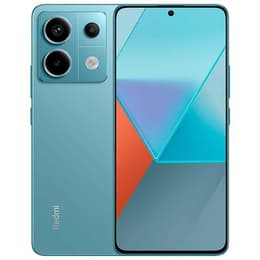
Xiaomi Redmi Note 13 Pro
Starting at

Refurbished price:€299.00

Versus €399.99 new

See options

Differences at a glance

The Apple iPhone 17e (2026) and the Xiaomi Redmi Note 13 Pro (2023) are contemporary smartphones designed to meet diverse user preferences across different operating systems. While the iPhone 17e runs on iOS with a streamlined, single-lens approach, the Xiaomi Redmi Note 13 Pro operates on Android with a versatile multi-camera array. These devices cater to distinct ecosystems and functional requirements while offering practical daily performance for everyday mobile tasks.

Available Models

Colour

Storage

Scores

Durability

Both smartphones approach hardware longevity and software support from distinct perspectives, balancing update schedules with robust physical construction for daily use.

  • Software Support: The iPhone 17e benefits from an extended multi-year update window backed by Apple's software ecosystem, whereas the Xiaomi Redmi Note 13 Pro relies on Android's standard support lifecycle.
  • Build and Repair: The iPhone features a durable glass-and-aluminum frame with advanced water-resistance ratings, while the Xiaomi incorporates reinforced front glass and an IP54 dust and water splash resistance rating.
  • Expected Lifespan: Users can anticipate several years of reliable daily operation from both models, with software longevity favoring the Apple ecosystem for long-term retention.

Year of Release

2026

2023

OS

iOS

Android

Foldable

No

No

Performance

Under everyday conditions, both devices handle routine applications, web browsing, and media streaming smoothly while utilizing different internal memory configurations and battery capacities.

  • Multitasking and Responsiveness: Both models switch between messaging apps, social media, and web tabs without noticeable lag, supported by generous baseline random access memory.
  • Storage Capacity: The iPhone 17e offers high-tier baseline internal storage options without expandable slots, whereas the Xiaomi Redmi Note 13 Pro provides flexible storage choices alongside expandable memory card support on select regional variants.
  • Battery Behavior: The Xiaomi features a large capacity cell designed to comfortably clear a full day of mixed usage, while the iPhone utilizes power-efficient processing to maintain steady battery longevity throughout regular daily routines.

Screen quality

Display panels on both devices utilize advanced technology to deliver sharp text, clear images, and vibrant color representation for media consumption and daily navigation.

  • Display Technology: Both models employ OLED panels that deliver deep contrast levels and rich color depth, ensuring text remains crisp and legible under varied lighting.
  • Brightness and Outdoors: High peak brightness modes on both screens allow for comfortable outdoor visibility when reading messages or checking maps in direct sunlight.
  • Size and Refresh Rate: The Xiaomi features a slightly larger panel with a smooth high refresh rate for fluid scrolling, while the iPhone 17e maintains a compact 6.1-inch form factor with standard refresh behavior.

Resolution

2532 x 1170

1220 x 2712

Audiovisual

Imaging capabilities differ significantly between the two models, offering users alternative approaches to capturing everyday moments and recording video.

  • Rear Camera Systems: The Xiaomi Redmi Note 13 Pro utilizes a high-megapixel multi-lens setup featuring ultra-wide options, whereas the iPhone 17e employs a single high-resolution fusion sensor relying on sensor-cropping for optical-quality zoom.
  • Video and Audio: The iPhone supports high-fidelity stereo recording and advanced cinematic stabilization formats, while the Xiaomi provides reliable everyday video capture paired with functional stereo speakers.
  • Low-Light Performance: Both devices incorporate software-based night processing to brighten dark scenes, though their color tuning and shadow details reflect their respective manufacturer image pipelines.

Front camera

12 megapixels

16 megapixels

Miscellaneous

Connectivity standards, physical dimensions, and security authentication methods define the practical handling characteristics of each device.

  • Biometrics and Authentication: The iPhone 17e utilizes secure facial recognition technology, while the Xiaomi Redmi Note 13 Pro integrates an in-display fingerprint sensor alongside facial unlock.
  • Connectivity and Ports: The iPhone relies on wireless charging standards alongside a standard connector port, whereas the Xiaomi features traditional wired interfaces and broad regional network compatibility.
  • Physical Handling: The iPhone 17e offers a lighter, more compact footprint suitable for single-handed use, while the Xiaomi provides a slightly larger physical chassis to accommodate its expansive display and battery.

Weight

169 g

187 g

Screen size (in)

6.1

6.67

Network

5G

5G

SIM card

eSIM

Dual Physical SIM

Carrier compatibility

Unlocked

Unlocked

What the community thinks

Choosing between the iPhone 17e and the Xiaomi Redmi Note 13 Pro depends largely on individual ecosystem preferences and hardware priorities. Users prioritizing long-term software support, a compact form factor, and integration with iOS will find the iPhone 17e well-suited to their daily routines. Conversely, users who value expandable storage, a high-refresh-rate large display, and a multi-lens camera system often lean toward the Xiaomi Redmi Note 13 Pro. For those seeking a quality-assured refurbished option, exploring sustainable choices on Back Market provides an eco-friendly alternative that extends device lifecycles without compromising on reliability. Both models offer capable performance for standard smartphone tasks, allowing consumers to select the device that aligns most closely with their personal preferences.








