
Galaxy A13 Vs iPhone 15

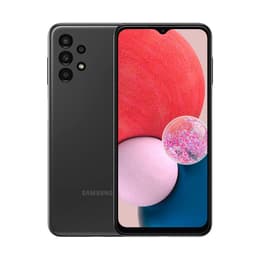
Galaxy A13
Galaxy A13
Starting at

Refurbished price:97.00

Versus €249.00 new

See options
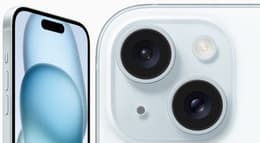
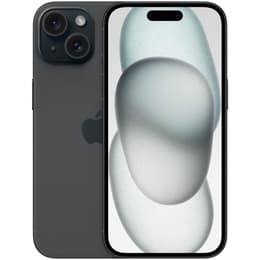
iPhone 15
iPhone 15
Starting at

Refurbished price:396.00

Versus €879.00 new

See options

Ratings

The Samsung Galaxy A13, released in March 2022, and the iPhone 15, launched in September 2023, represent distinct approaches to smartphone design and functionality. While the Galaxy A13 offers a budget-friendly entry into the Android ecosystem, the iPhone 15 provides a more premium experience within Apple's iOS platform. Key differentiators lie in their operating systems, display technologies, and overall performance capabilities.

Scores

Durability

When considering the long-term usability of a smartphone, factors like software support and physical resilience are important.

  • Software Longevity: The iPhone 15, running on iOS, is expected to receive software updates for a minimum of five years from its release, potentially extending support until around 2035. This provides a long window for new features and security patches. The Galaxy A13, an Android device, launched with Android 12 and has received updates to Android 14, with Samsung typically offering several years of OS and security updates for its devices.
  • Physical Durability: The iPhone 15 features a Ceramic Shield front cover and an IP68 rating for water and dust resistance, indicating a robust build designed to withstand daily exposure to elements. The Galaxy A13 incorporates Corning Gorilla Glass 5 for screen protection.
  • Repairability: The iPhone 15 initially received a repairability score of 4 out of 10, which was later promoted to 7 out of 10 due to software improvements that facilitate part calibration. The Galaxy A13 (LTE model) has a notable repairability index of 8 out of 10, suggesting it is relatively straightforward to repair.

Performance

The responsiveness and capability of a smartphone's internal components significantly impact daily usage, from launching applications to handling demanding tasks.

  • System Responsiveness: The iPhone 15 is equipped with a powerful processor that delivers smooth operation, quick app loading, and efficient multitasking, making it well-suited for intensive applications and gaming. The Galaxy A13, while capable of handling everyday tasks, may experience slower performance and occasional lag, particularly with multiple apps open or after several months of use.
  • Multitasking and Storage: The iPhone 15 comes with 6GB of RAM and storage options up to 512GB, providing ample space and smooth transitions between applications. The Galaxy A13 offers various configurations, including up to 6GB of RAM and up to 128GB of internal storage, which can be expanded with a microSD card, offering flexibility for users who need more space for media and documents.
  • Battery Behavior: Both devices offer substantial battery life. The iPhone 15, with its integrated battery, is generally reported to last a full day of typical use. The Galaxy A13 features a larger battery capacity, often providing more than a day of usage, and for some users, even two days with moderate activity.

Memory (GB)

4 GB

6 GB

Screen quality

The display is a primary interface for smartphone interaction, influencing everything from content consumption to daily navigation.

  • Display Technology and Clarity: The iPhone 15 features a 6.1-inch Super Retina XDR OLED display, known for its deep blacks, vibrant colors, and high pixel density, resulting in sharp and detailed visuals. The Galaxy A13 has a larger 6.6-inch PLS TFT LCD display with a Full HD+ resolution, offering clear visuals suitable for general browsing and media consumption.
  • Brightness and Outdoor Visibility: The iPhone 15 offers impressive brightness levels, reaching up to 1000 nits typical, 1600 nits peak for HDR content, and a peak outdoor brightness of 2000 nits, ensuring excellent visibility even in direct sunlight. The Galaxy A13's display provides adequate brightness for indoor use, though it may be less visible in very bright outdoor conditions.
  • Refresh Rate and Smoothness: The iPhone 15 features a standard 60Hz refresh rate, which provides a consistent viewing experience for most users. The Galaxy A13 (4G model) also has a 60Hz refresh rate, which is standard for its category. Users accustomed to higher refresh rates on other devices might notice a difference in scrolling smoothness on both models.

Audiovisual

Camera capabilities are a significant consideration for many users, impacting how they capture and share moments.

  • Rear Camera System: The iPhone 15 boasts an advanced dual-camera system with a 48MP main sensor featuring sensor-shift optical image stabilization and a 12MP ultrawide lens, capable of capturing sharp, vibrant photos with good detail, even in challenging lighting conditions. The Galaxy A13 includes a quad-camera setup with a 50MP main sensor, a 5MP ultrawide, and additional macro and depth sensors, providing versatility for different types of shots.
  • Photography Performance: The iPhone 15 excels in everyday photography and low-light scenarios, producing natural-looking images with effective image stabilization. While the Galaxy A13's 50MP main camera can capture decent photos in well-lit environments, user feedback suggests its low-light performance and ability to handle moving subjects are less consistent, and it lacks optical image stabilization.
  • Video Recording and Front Camera: The iPhone 15 offers high-quality video recording up to 4K at 60 frames per second and features a 12MP front camera that delivers clear selfies. The Galaxy A13's video capabilities are more basic, and its 8MP front camera is suitable for casual video calls and selfies.

Miscellaneous

Beyond core features, several practical elements contribute to the overall user experience and device utility.

  • Connectivity and Ports: The iPhone 15 supports 5G connectivity, Wi-Fi 6, Bluetooth 5.3, and has transitioned to a USB-C port, offering modern and versatile connection options. The Galaxy A13 supports 4G LTE (with some variants offering 5G), Wi-Fi, Bluetooth 5.0, and also features a USB-C 2.0 port, along with a traditional 3.5mm headphone jack.
  • Biometric Security: The iPhone 15 relies on Face ID for secure facial recognition and authentication. The Galaxy A13 incorporates a side-mounted fingerprint sensor for biometric security.
  • Design and Handling: The iPhone 15 features an aluminum design with a color-infused glass back, weighing 171 grams and measuring 147.6 x 71.6 x 7.8 mm. It offers a compact and premium feel. The Galaxy A13 has a larger form factor, weighing 195 grams and measuring 165.1 x 76.4 x 8.8 mm, with a build that some users describe as having a more plasticky feel.

Screen size (in)

6.6

6.1

Network

4G

5G

SIM card

Dual Physical SIM

Physical SIM + eSIM

Carrier compatibility

Unlocked

Unlocked

The Samsung Galaxy A13 and iPhone 15 cater to different user needs and expectations within the smartphone market. User feedback for the iPhone 15 frequently praises its excellent camera quality, robust battery life that typically lasts a full day, and a bright, vibrant display that performs well even in direct sunlight. Many users also appreciate its durable build and the convenience of the USB-C port. However, some criticisms include the 60Hz refresh rate, which can feel less smooth compared to devices with higher refresh rates, and occasional reports of overheating, particularly during charging.

Conversely, the Galaxy A13 is often lauded for its enduring battery life, which can extend beyond a single day for many users, and its expandable storage options. It is generally considered suitable for basic daily tasks like calling, messaging, and web browsing. Common criticisms, however, point to its performance degrading over time, leading to lag and unresponsiveness, especially with heavier use. The camera performance, particularly in low light, and the overall build quality are also frequently mentioned as areas for improvement.

Users prioritizing a premium experience with strong performance, advanced camera capabilities, and long-term software support may find the iPhone 15 well-suited to their needs. Its compact design and high-quality display make it ideal for those who value a refined user interface and seamless ecosystem integration. On the other hand, users seeking a more budget-conscious device primarily for essential communication, media consumption, and expandable storage might lean towards the Galaxy A13. It serves as a practical option for those who do not engage in demanding applications or extensive photography.

For those considering either device, exploring quality-assured refurbished options can provide an eco-friendly alternative, offering access to these technologies while supporting sustainable consumption.