
Compare models
iPhone 15 Plus Vs iPhone 17e
- 1-year minimum warranty
- Free delivery on all orders
- Free 30-day returns
Differences at a glance
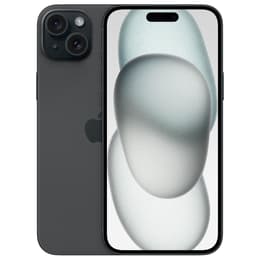
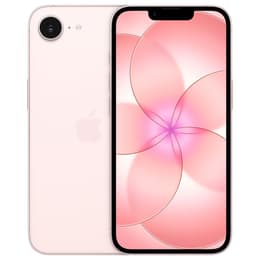
The iPhone 15 Plus (2023) and the iPhone 17e (2026) represent two different approaches to modern smartphone design, balancing screen acreage against generational updates. While the iPhone 15 Plus emphasizes a larger visual workspace and dual rear cameras, the newer iPhone 17e focuses on updated internals, increased base storage configurations, and a more compact footprint. Both devices run on Apple's established software ecosystem, though their hardware capabilities cater to distinct physical and functional preferences.
Available Models
Colour
Storage (GB)
Scores
Durability
When evaluating the practical lifespan and structural support of these devices, differences in their release timelines and hardware architectures shape their long-term viability.
- Release Timeline and Age: The iPhone 15 Plus launched in late 2023, whereas the iPhone 17e debuted in early 2026, giving the newer model an extended hardware lifecycle window.
- Software Support: Both models receive regular operating system updates, but the iPhone 17e benefits from a later release date, ensuring extended software longevity into the future.
- Repairability and Build: Both smartphones feature robust aluminum frames and glass backs with IP68 water and dust resistance, offering similar durability for daily wear and tear.
Year of Release
2023
2026
OS
iOS
iOS
Foldable
No
No
Performance
Daily execution and responsiveness differ based on the internal hardware generations, memory capacities, and thermal designs built into each smartphone.
- Memory and Multitasking: The iPhone 17e includes a higher base memory capacity, allowing seamless switching between demanding background applications compared to the iPhone 15 Plus.
- System Responsiveness: The current-generation processor inside the iPhone 17e handles complex tasks, app loading, and resource-heavy software with greater speed and thermal efficiency.
- Battery Behavior: The larger physical footprint of the iPhone 15 Plus accommodates a higher-capacity battery for extended screen-on duration, while the iPhone 17e relies on power-efficient hardware to optimize daily endurance.
Screen quality
Display characteristics vary significantly in physical scale, maximum brightness output, and panel technology between the two models.
- Display Size and Scale: The iPhone 15 Plus features a spacious 6.7-inch screen well-suited for media viewing, whereas the iPhone 17e utilizes a more pocket-friendly 6.1-inch panel.
- Panel Technology: Both devices employ Super Retina XDR OLED technology, delivering deep contrast levels, sharp text clarity, and vibrant color reproduction.
- Outdoor Visibility: The iPhone 15 Plus achieves higher peak outdoor brightness thresholds, making it slightly easier to read under direct sunlight.
Resolution
1290 x 2796
2532 x 1170
Audiovisual
Multimedia capture and audio output capabilities diverge notably in lens configurations and recording versatility.
- Camera Systems: The iPhone 15 Plus incorporates a dual-lens rear setup including a dedicated ultra-wide option, while the iPhone 17e features a streamlined single-lens rear camera system.
- Everyday Photography: Both models capture sharp, detailed primary images and low-light photographs, though the dual-lens setup on the older Plus model offers more framing flexibility.
- Audio and Media: Both devices deliver balanced stereo sound output through integrated speakers, providing clear audio for calls, podcasts, and video playback.
Front camera
12 megapixels
12 megapixels
Miscellaneous
Physical handling, connectivity standards, and daily convenience features establish practical usability across different environments.
- Dimensions and Weight: The iPhone 17e is noticeably lighter and narrower, making it more comfortable for single-handed use than the larger, heavier iPhone 15 Plus.
- Connectivity and Ports: Both models utilize the universal USB-C standard for wired charging and data transfer, alongside modern 5G and Wi-Fi capabilities.
- Security and Authentication: Both smartphones rely on facial recognition technology housed within the display cutout area for secure unlocking and authentication.
Weight
201 g
169 g
Screen size (in)
6.7
6.1
Network
5G
5G
SIM card
Physical SIM + eSIM
eSIM
Carrier compatibility
Unlocked
Unlocked
Connector
USB-C
USB-C (USB 2)
What the community thinks
Community discussions and user feedback indicate that buyers appreciate the iPhone 15 Plus for its expansive screen real estate and dual-lens camera versatility, though some note its larger physical size can feel cumbersome during one-handed operation. Conversely, users frequently praise the iPhone 17e for its lightweight ergonomics, updated processing speeds, and generous base storage, while noting that its single rear camera lacks ultra-wide versatility. Choosing a quality-assured refurbished option provides an eco-friendly alternative for acquiring either model while reducing electronic waste.
Users prioritizing maximum screen space for media consumption and dual-camera flexibility will find the iPhone 15 Plus well-suited to their needs, while users prioritizing a lighter handheld footprint, updated performance capabilities, and extended software support may lean toward the iPhone 17e. Evaluating these core differences helps align each device with individual daily usage patterns.