


Compare models

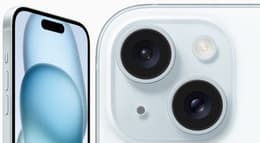
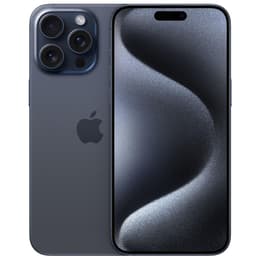
iPhone 15 Pro Max Vs iPhone 17e

  • 1-year minimum warranty
  • Free delivery on all orders
  • Free 30-day returns
iPhone 15 Pro Max
Starting at

Refurbished price:670.00

Versus €1,398.69 new

See options
iPhone 17e
Starting at

Refurbished price:566.00

Versus €879.00 new

See options

Differences at a glance

The iPhone 15 Pro Max (2023) and the iPhone 17e (2026) represent two distinct approaches within Apple's smartphone lineup, contrasting a large-format flagship model with a streamlined, modern alternative. While both run on iOS and support current software features, they differ significantly in their launch timelines, hardware capabilities, and design philosophies. These distinct specifications mean each device serves very different daily usage needs.

Available Models

Colour

Storage (GB)

Scores

Durability

Evaluating the lifespan and durability of these devices involves looking at release timelines, software update support, and physical construction quality.

  • Release timeline and support: The iPhone 15 Pro Max arrived in 2023, whereas the iPhone 17e launched in 2026, granting the newer model an extended window for future software updates and security patches.
  • Build materials and protection: The iPhone 15 Pro Max utilizes a lightweight titanium frame with textured matte glass, while the iPhone 17e incorporates a traditional aluminum and glass housing protected by an updated ceramic shield front cover.
  • Expected practical lifespan: Both phones feature robust water resistance and durable outer shells, though users prioritizing the absolute longest software support window will find the newer release advantageous.

Year of Release

2023

2026

OS

iOS

iOS

Foldable

No

No

Performance

System performance and day-to-day responsiveness vary based on internal hardware generations and task management capabilities.

  • Everyday speed and multitasking: Both devices manage intensive applications, demanding games, and split-screen workflows smoothly thanks to generous RAM configurations and efficient system processing.
  • Storage capacity: The iPhone 15 Pro Max begins with larger entry-level storage tiers and extends up to high-capacity options, while the iPhone 17e offers streamlined mid-to-high storage configurations suitable for most media libraries.
  • Battery behavior: The larger physical footprint of the iPhone 15 Pro Max accommodates an expansive battery for extended daily endurance, whereas the iPhone 17e relies on power-efficient hardware optimizations to maintain reliable all-day usage.

Screen quality

Display configurations differ notably in physical dimensions, panel technologies, and viewing smoothness.

  • Display technology and size: The iPhone 15 Pro Max features a spacious 6.7-inch OLED screen with slim borders, whereas the iPhone 17e employs a more compact 6.1-inch OLED display housed within a traditional notched layout.
  • Refresh rate and motion: The iPhone 15 Pro Max supports high-refresh-rate technology for fluid scrolling and animations, while the iPhone 17e utilizes a standard refresh rate tailored for everyday viewing tasks.
  • Outdoor visibility: Both models offer high peak brightness levels, ensuring clear legibility and vibrant colors when used under direct sunlight or while viewing high-dynamic-range video content.

Resolution

1290 x 2796

2532 x 1170

Audiovisual

Media capture and audio output capabilities reflect the distinct engineering goals of a multi-lens flagship versus a streamlined daily driver.

  • Rear camera systems: The iPhone 15 Pro Max includes a versatile triple-lens array featuring an extended optical zoom lens for distant subjects, while the iPhone 17e depends on a single high-resolution fusion main camera with digital crop zooming capabilities.
  • Video and low-light performance: Both devices record detailed video with stabilization features, though the flagship model provides advanced cinematic options and professional recording formats.
  • Audio output: Stereo speaker systems on both phones deliver clear sound for hands-free calls, media streaming, and casual video playback without requiring external speakers.

Front camera

12 megapixels

12 megapixels

Miscellaneous

Practical daily features, physical dimensions, and connectivity standards dictate how each device handles routine interactions.

  • Physical handling: The iPhone 15 Pro Max presents a wider, heavier profile designed for large-screen media consumption, whereas the iPhone 17e offers a lighter, more compact form factor that is easier to manage with one hand.
  • Port and charging standards: Both smartphones utilize universal USB-C ports for wired charging and data transfer, alongside modern wireless charging compatibility.
  • Biometric security: Secure authentication is handled via facial recognition technology across both models, ensuring rapid unlocking and secure app verification.

Weight

171 g

169 g

Screen size (in)

6.7

6.1

Network

5G

5G

SIM card

eSIM

eSIM

Carrier compatibility

Unlocked

Unlocked

Connector

USB-C (USB 3)

USB-C (USB 2)

What the community thinks

User discussions and community feedback highlight distinct preferences for each device depending on personal habits. Owners of the iPhone 15 Pro Max frequently praise its expansive display estate, versatile multi-lens camera system, and high-capacity battery life, though some note its heavier physical footprint. Conversely, users of the iPhone 17e often highlight its comfortable, lightweight handling, modern processing efficiency, and streamlined design, while noting the absence of dedicated optical zoom lenses and high-refresh-rate visuals.

Users prioritizing maximum screen space, advanced photography flexibility, and high-end zoom capabilities will find the iPhone 15 Pro Max well-suited to their needs. Meanwhile, users prioritizing a lighter physical size, comfortable single-handed operation, and an extended software support lifecycle may lean toward the iPhone 17e. For those seeking a sustainable choice, a quality-assured refurbished option provides a reliable, eco-friendly alternative for acquiring either model without compromising on performance standards.