

Compare models

iPhone 16 Pro Max Vs iPhone 17e

  • 1-year minimum warranty
  • Free delivery on all orders
  • Free 30-day returns
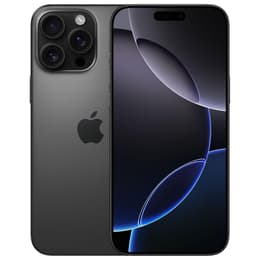
iPhone 16 Pro Max
Starting at

Refurbished price:817.00

Versus €1,489.00 new

See options
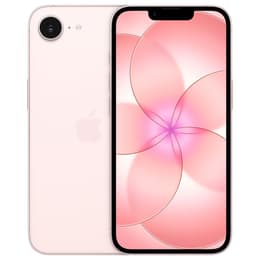
iPhone 17e
Starting at

Refurbished price:566.00

Versus €879.00 new

See options

Differences at a glance

The iPhone 16 Pro Max (2024) and the iPhone 17e (2026) represent two different tiers and release eras within Apple's smartphone lineup. While the iPhone 16 Pro Max serves as a larger-format flagship device built for media enthusiasts, the iPhone 17e functions as a compact entry-level option carrying a more recent processor. Both smartphones run iOS and fully support current software capabilities, yet they differ significantly in physical dimensions, screen technologies, and camera configurations. This comparison explores their practical differences to help you decide which device matches your everyday needs.

Available Models

Colour

Storage (GB)

Scores

Durability

When evaluating structural longevity and software support, both devices benefit from Apple's long-term update schedules, though their release years create a timeline gap of roughly eighteen months.

  • Software Support: Both smartphones receive multi-year operating system updates, but the iPhone 17e benefits from a later initial release date, extending its active software lifecycle slightly further into the future.
  • Build Durability: The iPhone 16 Pro Max utilizes a titanium frame with textured matte glass, while the iPhone 17e features an aluminum and glass housing protected by an updated front glass shield. Both models carry high dust and water resistance ratings for everyday peace of mind.
  • Repairability: Both devices follow modern modular internal layouts, ensuring that authorized service channels can efficiently replace consumable components like batteries to preserve their expected practical lifespan.

Year of Release

2024

2026

Foldable

No

No

Performance

Under everyday workloads, both devices deliver swift application opening speeds and fluid system navigation, though they approach multitasking and heavy usage through different internal designs.

  • Processor Capability: Both models handle demanding applications, web browsing, and graphics-heavy tasks smoothly, though the iPhone 17e features a slightly newer generation processor paired with a streamlined graphics architecture.
  • Memory and Multitasking: Each device includes ample RAM to keep background applications active without sudden reloads, supporting seamless transitions between productivity tools and media streams.
  • Battery Behavior: The larger physical footprint of the iPhone 16 Pro Max accommodates a higher-capacity battery designed to easily sustain extended periods of intensive media viewing, whereas the iPhone 17e provides reliable all-day battery life for standard daily routines.

Screen quality

Display characteristics form one of the most prominent distinctions between these two models, impacting media consumption and outdoor usability.

  • Display Technology: The iPhone 16 Pro Max features a large OLED screen equipped with high refresh rate technology for exceptionally smooth scrolling, while the iPhone 17e uses a standard refresh rate OLED panel.
  • Size and Immersion: The iPhone 16 Pro Max offers an expansive viewing area well-suited for watching videos and editing documents, whereas the iPhone 17e provides a more compact screen that facilitates comfortable single-handed operation.
  • Outdoor Brightness: Both screens reach high peak luminance levels, ensuring that text and images remain sharp and legible even under direct sunlight.

Resolution

1320 x 2868

2532 x 1170

Audiovisual

Imaging capabilities vary widely based on whether you prefer a versatile multi-lens array or a streamlined single-lens approach.

  • Rear Camera System: The iPhone 16 Pro Max incorporates a flexible triple-lens configuration including wide, ultra-wide, and telephoto options for varied framing, whereas the iPhone 17e relies on a single high-resolution wide lens with sensor-cropping for optical-quality zoom.
  • Video and Audio: Both devices capture crisp, stabilized video footage with detailed spatial audio recording, making them reliable tools for capturing personal memories.
  • Media Sound Output: Both models feature balanced stereo speakers that deliver clear dialogue and rich sound output for casual podcasts and video playback.

Front camera

12 megapixels

12 megapixels

Miscellaneous

Physical handling, accessory ecosystems, and connectivity standards dictate how each device integrates into your daily carry and travel habits.

  • Dimensions and Weight: The iPhone 16 Pro Max is a substantial, heavy device designed for users who favor maximum screen space, while the iPhone 17e is noticeably lighter and easier to pocket.
  • Charging and Ports: Both models utilize universal USB-C connectors for wired charging and data transfer, and both support fast wireless magnetic charging accessories.
  • Security and Biometrics: Each smartphone utilizes secure facial recognition technology for device unlocking and secure authentication.

Weight

227 g

169 g

Screen size (in)

6.9

6.1

Network

5G

5G

SIM card

eSIM

eSIM

Carrier compatibility

Unlocked

Unlocked

Connector

USB-C (USB 3)

USB-C (USB 2)

What the community thinks

User discussions across tech forums highlight distinct preferences for each device based on lifestyle requirements. Owners of the iPhone 16 Pro Max frequently praise its expansive display estate, extensive battery endurance, and flexible multi-lens camera setup. Conversely, users favor the iPhone 17e for its lightweight, pocket-friendly dimensions and dependable core performance. Choosing between them depends entirely on your personal priorities. Users prioritizing maximum screen space, advanced zoom photography, and extended battery reserves will find the iPhone 16 Pro Max well-suited to their needs. Meanwhile, users prioritizing a lighter physical footprint, single-handed comfort, and a streamlined feature set may lean toward the iPhone 17e. For those exploring sustainable purchasing routes, opting for a quality-assured refurbished option provides an eco-friendly alternative that reduces electronic waste without compromising performance standards.