

Compare models

iPhone 17e Vs Xiaomi 13T

  • 1-year minimum warranty
  • Free delivery on all orders
  • Free 30-day returns
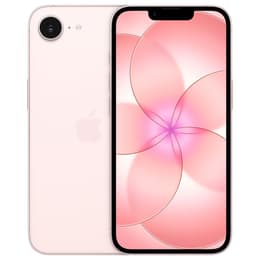
iPhone 17e
Starting at

Refurbished price:€599.00

Versus €879.00 new

See options
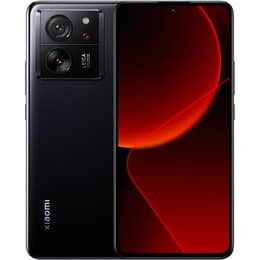
Xiaomi 13T
Starting at

Refurbished price:€276.00

Versus €630.00 new

See options

Differences at a glance

The Apple iPhone 17e (2026) and the Xiaomi 13T (2023) represent different approaches to modern smartphone design, catering to distinct user ecosystems and preferences. While the iPhone 17e runs iOS with a focus on streamlined integration and single-lens simplicity, the Xiaomi 13T operates on Android with a versatile multi-lens camera array and an expansive screen. Choosing between them involves weighing software ecosystems, display dimensions, and everyday functional priorities.

Available Models

Colour

Storage

Scores

Durability

When examining hardware longevity and support timelines, both devices offer robust durability frameworks tailored to their respective release eras and operating systems.

  • Software Support: The iPhone 17e benefits from Apple's extended update schedule, providing multiple years of system upgrades, whereas the Xiaomi 13T provides four generations of Android OS upgrades and five years of security patches.
  • Build and Materials: Both models incorporate dust and water resistance ratings for everyday protection, though their physical dimensions and repair pathways reflect different manufacturer standards.
  • Expected Lifespan: Users can expect both devices to remain reliable for multi-year daily use, with software longevity largely dictated by platform update policies.

Year of Release

2026

2023

OS

iOS

Android

Foldable

No

No

Performance

Daily operation and multitasking capabilities differ based on internal hardware optimization and memory configuration across both models.

  • App Loading and Multitasking: Both smartphones handle demanding applications, web browsing, and background tasks smoothly without noticeable stutter during normal workflows.
  • Battery Behavior: The Xiaomi 13T features a larger physical battery capacity for extended daily usage, while the iPhone 17e relies on efficient power management to sustain everyday tasks.
  • Storage Configurations: Both devices offer ample baseline internal storage capacity to accommodate large media libraries and applications without requiring immediate external expansion.

Screen quality

Visual output and screen interactions vary significantly in size, refresh rate, and panel technology between the two handsets.

  • Display Technology: The iPhone 17e utilizes a crisp OLED screen with deep contrast levels, whereas the Xiaomi 13T features an expansive AMOLED panel with high peak refresh rates for fluid motion.
  • Brightness and Outdoor Legibility: Both screens provide sufficient luminance for clear viewing under direct ambient daylight conditions.
  • Physical Dimensions: The Xiaomi 13T offers a larger viewing workspace suited for media consumption, while the iPhone 17e provides a more compact form factor for single-handed operation.

Resolution

2532 x 1170

1220 x 2712

Audiovisual

Photography and media recording capabilities highlight a fundamental divergence in hardware philosophy between the two manufacturers.

  • Lens Versatility: The Xiaomi 13T equips a triple-lens rear array including dedicated ultra-wide and telephoto options, while the iPhone 17e focuses on a single high-resolution primary rear sensor.
  • Video and Audio: Both units deliver stable video recording quality and clear microphone input for calls, alongside stereo speaker output suitable for casual media playback.
  • Low-Light Performance: Image processing software on both models helps manage challenging lighting scenarios, though multi-lens setups offer greater framing flexibility.

Front camera

12 megapixels

20 megapixels

Miscellaneous

Practical day-to-day utilities, connectivity standards, and physical ergonomics shape the overall handling experience of each device.

  • Connectivity and Ports: Both models support modern 5G networks and fast Wi-Fi standards, utilizing reversible USB connectivity for charging and data transfer.
  • Security Sensors: The iPhone 17e uses facial recognition technology, whereas the Xiaomi 13T incorporates an under-display fingerprint sensor for authentication.
  • Ergonomics: The lighter, narrower profile of the iPhone 17e contrasts with the slightly heavier, larger chassis of the Xiaomi 13T, influencing pocketability and grip comfort.

Weight

169 g

193 g

Screen size (in)

6.1

6.67

Network

5G

5G

SIM card

eSIM

Dual Physical SIM

Carrier compatibility

Unlocked

Unlocked

Connector

USB-C (USB 2)

USB-C

What the community thinks

User discussions and community feedback indicate that satisfaction with these devices often depends on software preference and hardware priorities. Owners of the Xiaomi 13T frequently praise its fluid display refresh rates and flexible multi-lens camera system, though some note that its physical footprint is comparatively bulky. Conversely, users of the iPhone 17e highlight its compact handling, streamlined interface, and reliable system performance, while occasional discussions mention the limitation of a single rear camera lens compared to Android alternatives.

Users prioritizing a larger multimedia canvas, high refresh rates, and versatile photographic framing may prefer the Xiaomi 13T, while users seeking a compact form factor, long-term software support, and iOS integration will lean toward the iPhone 17e. Choosing a quality-assured refurbished option provides an eco-friendly alternative for acquiring either device while supporting sustainable technology consumption. Ultimately, the right choice depends on which operating system and physical dimensions best match your daily routine.