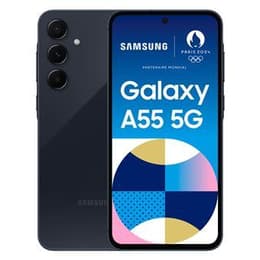
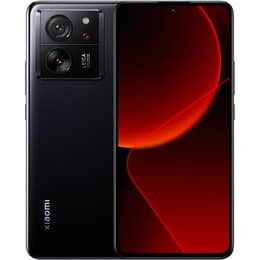


Galaxy A55 Vs Xiaomi 13T

Galaxy A55
Galaxy A55
Starting at

Refurbished price:229.00

Versus €513.35 new

See options
Xiaomi 13T
Xiaomi 13T
Starting at

Refurbished price:183.00

Versus €630.00 new

See options

Ratings

The Samsung Galaxy A55 (2024) and the Xiaomi 13T (2023) are both Android smartphones designed to offer a balanced experience for everyday users. While the Galaxy A55 focuses on a refined design and consistent software experience, the Xiaomi 13T emphasizes strong performance and advanced camera capabilities. Both devices run on the Android operating system, with the A55 launching with Android 14 and One UI 6.1, and the 13T initially with Android 13 and HyperOS, with updates to newer versions available.

Scores

Durability

When considering the long-term usability of these devices, their release timelines and software support policies are key factors. The Samsung Galaxy A55, released in March 2024, benefits from a more recent launch, potentially extending its practical lifespan.

  • Software Longevity: The Galaxy A55 is promised four generations of OS upgrades and five years of security updates, ensuring it remains current with the latest Android features and security patches for an extended period. The Xiaomi 13T, launched in September 2023, also offers a competitive software commitment with four generations of Android OS updates and five years of security patches.
  • Physical Durability: The Galaxy A55 features a metal frame and Gorilla Glass Victus+ for enhanced protection, contributing to its robust build. It has also received a high repairability score of 8.5 out of 10, indicating that components are relatively accessible for servicing. The Xiaomi 13T comes with Gorilla Glass 5 on the front and boasts an IP68 rating for dust and water resistance, suggesting good resilience against environmental factors.
  • Expected Practical Lifespan: Both devices are designed for sustained use, with their respective software update policies supporting several years of functionality. The A55's slightly newer release date gives it a marginal edge in overall software support duration from the current date.

Year of Release

2024

2023

Compatible with latest Update

Yes

Yes

OS

Android

Android

Foldable

No

No

Performance

The performance of a smartphone is crucial for daily tasks, app usage, and multitasking. Both the Galaxy A55 and Xiaomi 13T are equipped with capable processors designed to handle a variety of demands.

  • System Responsiveness: The Galaxy A55, powered by its current-generation processor, delivers good speed for daily use, with users reporting fast app opening and closing times, and smooth multitasking. The Xiaomi 13T, featuring its own powerful processor, also provides a fast and efficient experience for multitasking and gaming.
  • Battery Behavior: Both devices house a 5000mAh battery. The Galaxy A55 generally offers strong battery life, with many users experiencing a full day of heavy use and around 7-8 hours of screen-on time. The Xiaomi 13T also provides good battery endurance, with users noting great battery life, especially after system optimizations.
  • Storage and Multitasking: Both smartphones offer various configurations, typically including 8GB or 12GB of RAM and 128GB or 256GB of internal storage. The Galaxy A55 further offers expandable storage via a microSD card, providing flexibility for users who require more space for media and applications.

Memory (GB)

8 GB

8 GB

Screen quality

The display is a primary interface for smartphone interaction, and both the Galaxy A55 and Xiaomi 13T offer high-quality viewing experiences with distinct characteristics.

  • Display Technology and Clarity: The Galaxy A55 features a 6.6-inch Super AMOLED display with a 1080x2340 (FHD+) resolution, providing deep blacks and vibrant colors. The Xiaomi 13T comes with a slightly larger 6.67-inch AMOLED display, offering a higher resolution of 1220x2712 pixels, which translates to a very sharp and detailed image.
  • Brightness and Smoothness: Both devices support a high refresh rate for smoother scrolling and animations; the Galaxy A55 has a 120Hz refresh rate, while the Xiaomi 13T boasts an even higher 144Hz refresh rate. The Xiaomi 13T also offers a higher peak brightness of 2600 nits, making it exceptionally visible in bright outdoor conditions. The Galaxy A55 reaches up to 1000 nits peak brightness.
  • Viewing Experience: User sentiment for the Galaxy A55's display is generally positive, with many praising its vibrancy and clarity, though some reports mention colors can appear washed out in certain scenarios. The Xiaomi 13T's display is widely praised by users for its vibrant colors, sharpness, and overall immersive viewing experience.

Resolution

1080 x 2340

1220 x 2712

Screen type

Super AMOLED

AMOLED

Audiovisual

For many users, camera capabilities are a significant factor in choosing a smartphone. Both the Galaxy A55 and Xiaomi 13T offer versatile camera systems.

  • Rear Camera System: The Galaxy A55 is equipped with a triple camera setup, including a 50MP main sensor with optical image stabilization (OIS), a 12MP ultrawide lens, and a 5MP macro camera. The Xiaomi 13T also features a triple camera system, comprising a 50MP main sensor with OIS, a 50MP telephoto lens with 2x optical zoom, and a 12MP ultrawide camera. The Xiaomi 13T's cameras are co-engineered with Leica, which contributes to its image processing and color science.
  • Photography and Video Performance: Users generally find the Galaxy A55's camera to deliver acceptable to good photo clarity for everyday situations, though some note it may not excel in challenging conditions or low light, and selfies can sometimes have a yellowish tone. The Xiaomi 13T receives praise for its camera quality, particularly in outdoor settings and for its Leica-tuned modes, with users appreciating the natural and detailed output. Both devices support 4K video recording at 30 frames per second.
  • Audio Experience: The Galaxy A55 features stereo speakers and supports Dolby Atmos, providing a rich audio experience for media consumption. The Xiaomi 13T also includes stereo speakers and offers Hi-Res Audio support, enhancing the sound quality for music and videos.

Main camera

50 megapixels

50 megapixels

Front camera

32 megapixels

20 megapixels

Miscellaneous

Beyond core features, several practical elements contribute to the overall user experience of a smartphone. Both the Galaxy A55 and Xiaomi 13T include a range of connectivity options and design considerations.

  • Connectivity and Ports: Both devices support 5G connectivity, Wi-Fi 6, and Bluetooth for modern wireless communication. They both utilize a USB Type-C port for charging and data transfer.
  • Security and Sensors: For biometric security, both smartphones incorporate an under-display fingerprint sensor. The Galaxy A55 also features an IP67 rating for dust and water resistance, offering protection against splashes and submersion. The Xiaomi 13T carries an IP68 rating, providing a higher level of dust and water resistance.
  • Build and Handling: The Galaxy A55 features a premium build with a metal frame and Gorilla Glass Victus+ on the front, giving it a sturdy feel. It weighs 213 grams and measures 161.1 x 77.0 x 8.2mm. The Xiaomi 13T has a glass front (Gorilla Glass 5) and a glass or vegan leather back with a plastic frame. It is slightly lighter at around 193-200 grams and measures 162.2 x 75.7 x 8.5mm.

Weight

213 g

193 g

Screen size (in)

6.6

6.67

Network

5G

5G

SIM card

Physical SIM

Dual Physical SIM

Carrier compatibility

Unlocked

Unlocked

Connector

USB-C

USB-C

The Samsung Galaxy A55 and Xiaomi 13T both present compelling options in the Android smartphone market, each with its own strengths tailored to different user preferences. User feedback for the Galaxy A55 often highlights its premium build quality, reliable battery life for daily use, and a vibrant display. However, some users have noted that its camera performance, while generally good, may not stand out in all conditions, and some display color issues have been reported.

Conversely, the Xiaomi 13T is frequently praised for its powerful performance, excellent and bright display, and strong camera capabilities, particularly with its Leica-tuned system. Criticisms sometimes point to the device getting warm during intensive gaming and occasional reports of minor software stutters.

Users prioritizing a premium design, a consistent software experience with long-term updates, and a highly repairable device may find the Samsung Galaxy A55 well-suited to their needs. Its robust construction and dependable battery life make it a solid choice for everyday reliability. On the other hand, individuals who place a higher value on raw performance for demanding applications, a brighter and higher-resolution display, and advanced camera features with a distinct photographic style might lean towards the Xiaomi 13T. Its faster refresh rate and Leica-tuned cameras offer a compelling package for multimedia enthusiasts.

Ultimately, the decision between these two devices depends on individual priorities. Both offer a quality-assured refurbished option, providing an eco-friendly alternative for consumers seeking to make a sustainable choice.


See all articles

Our recent comparisons