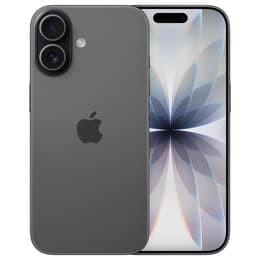
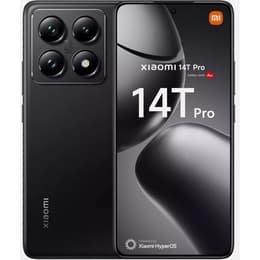


iPhone 17 Vs Xiaomi 14T Pro

iPhone 17
iPhone 17
Starting at

Refurbished price:704.00

Versus €979.00 new

See options
Xiaomi 14T Pro
Xiaomi 14T Pro
Starting at

Refurbished price:395.00

Versus €1,500.00 new

See options

Ratings

The iPhone 17, released in September 2025, and the Xiaomi 14T Pro, launched in September 2024, represent distinct approaches to high-performance smartphones. While both offer advanced capabilities, the iPhone 17 focuses on a deeply integrated ecosystem and refined user experience, whereas the Xiaomi 14T Pro emphasizes cutting-edge hardware specifications and rapid charging. Both devices operate on their respective latest operating systems, iOS 20 for the iPhone and Android 14 with HyperOS for the Xiaomi, offering different interfaces and feature sets.

Scores

Durability

When considering the long-term usability of these devices, software support and physical resilience are key factors.

  • Software Longevity: Apple typically provides major iOS updates for approximately five to six years from a device's release, with security updates often extending even longer, potentially up to eight years. The iPhone 17, having launched with iOS 20, is expected to receive updates well into the future, ensuring access to new features and security patches for an extended period. In contrast, Xiaomi has committed to six years of security updates and four major Android OS updates for its flagship and some mid-range models, including the 14T Pro. Given its September 2024 release, the Xiaomi 14T Pro will receive major Android updates for several years, though potentially fewer than the iPhone 17.
  • Physical Durability: The iPhone 17 features Ceramic Shield protection on its front display, designed to enhance drop performance, and maintains an IP68 rating for water and dust resistance. The Xiaomi 14T Pro also boasts an IP68 rating, indicating robust protection against dust and water ingress. Both devices are constructed with premium materials, contributing to their overall resilience in daily use.
  • Repairability: While specific repairability scores can vary, both manufacturers generally design their flagship devices with some consideration for component replacement, though specialized tools and expertise are often required. Users seeking to extend the life of their device beyond its initial warranty period may consider quality-assured refurbished options, which offer a sustainable choice for continued use.

Performance

The performance of a smartphone is largely determined by its internal processing power and how efficiently it manages tasks.

  • Processing Power: The iPhone 17 is equipped with Apple's A19 chip, built on an advanced 3-nanometer process. This processor is designed to deliver significant improvements in overall speed and efficiency, handling demanding applications and complex computations smoothly. The Xiaomi 14T Pro utilizes a high-end MediaTek Dimensity 9300+ chipset, which is engineered for robust performance, particularly in gaming and intensive multitasking scenarios.
  • System Responsiveness: Both devices offer a highly responsive user experience. The iPhone 17's integrated hardware and software optimization ensures fluid navigation and quick app launches. The Xiaomi 14T Pro, with its powerful processor and ample RAM (typically 12GB or more), provides a smooth experience even when running multiple applications simultaneously or engaging in graphically intensive games.
  • Storage and Multitasking: The iPhone 17 starts with a generous base storage, with options for higher capacities, and features optimized memory management for efficient multitasking. The Xiaomi 14T Pro offers various storage configurations, often including 512GB or more, paired with substantial RAM, allowing users to store a large volume of data and switch between numerous applications without noticeable slowdowns.

Memory (GB)

8 GB

12 GB

Screen quality

The visual experience on both devices is a highlight, though they employ different display technologies and characteristics.

  • Display Technology and Clarity: The iPhone 17 features a 6.3-inch Super Retina XDR OLED display, known for its deep blacks, vibrant colors, and excellent contrast. This OLED technology provides precise color reproduction and wide viewing angles. The Xiaomi 14T Pro sports a 6.67-inch AMOLED display, which also delivers rich colors and high contrast. Both displays offer sharp visuals suitable for detailed content.
  • Brightness and Refresh Rate: The iPhone 17's display includes ProMotion technology, offering an adaptive refresh rate up to 120Hz for smoother scrolling and more fluid animations. It also supports an Always-On display feature. The Xiaomi 14T Pro features a 144Hz refresh rate AMOLED screen, providing an exceptionally smooth visual experience, particularly beneficial for fast-paced content and gaming. The Xiaomi 14T Pro's display is also noted for its high peak brightness, reaching up to 4,000 nits, which can enhance visibility in bright outdoor conditions.
  • Viewing Experience: The iPhone 17's slightly smaller display offers a comfortable one-handed experience, while the Xiaomi 14T Pro's larger screen provides a more expansive canvas for media consumption and productivity tasks. Both displays offer high resolution, ensuring crisp text and detailed images.

Audiovisual

Both smartphones offer advanced camera systems designed to capture high-quality photos and videos in various conditions.

  • Rear Camera Systems: The iPhone 17 features a dual-lens rear camera system, including two 48-megapixel lenses (main and ultra-wide), with the main lens offering 2x optical quality telephoto capabilities. This setup is designed for versatile photography, excelling in detail and color accuracy. The Xiaomi 14T Pro boasts a Leica-tuned triple camera system, comprising a 50-megapixel main sensor (Light Fusion 900), a 50-megapixel telephoto lens with 2.6x optical zoom, and a 12-megapixel ultra-wide-angle lens. This configuration emphasizes detailed zoom and wide-angle shots, benefiting from Leica's imaging expertise.
  • Photography Performance: Both devices are expected to perform well in everyday photography, capturing clear and detailed images. The iPhone 17 leverages its computational photography for consistent results across different lighting. The Xiaomi 14T Pro's larger sensors and Leica optimizations contribute to strong low-light performance and natural-looking images.
  • Video Recording and Front Camera: Both phones offer high-quality video recording capabilities, with features like optical image stabilization to ensure steady footage. For selfies and video calls, the iPhone 17 is rumored to feature an upgraded 24-megapixel front camera. The Xiaomi 14T Pro includes a 32-megapixel front camera, designed for detailed self-portraits and clear video communication.

Miscellaneous

Beyond core features, several practical elements differentiate these two devices in daily use.

  • Connectivity: Both the iPhone 17 and Xiaomi 14T Pro support modern connectivity standards. The iPhone 17 is expected to feature advanced 5G capabilities and the latest Wi-Fi standards. The Xiaomi 14T Pro supports Wi-Fi 7 and Bluetooth 5.4, along with 5G and 4G LTE connectivity, ensuring fast and reliable wireless connections.
  • Ports and Biometrics: The iPhone 17 continues to use a USB-C port for charging and data transfer. It relies on Face ID for secure authentication. The Xiaomi 14T Pro also features a USB-C charging port and typically includes an in-display fingerprint sensor for biometric security.
  • Design and Handling: The iPhone 17 maintains a refined design with dimensions that offer comfortable handling for many users. The Xiaomi 14T Pro, with its 6.67-inch display, is a larger device, which can be beneficial for media consumption but may require two hands for comfortable operation. The Xiaomi 14T Pro measures 160.4mm x 75.1mm x 8.39mm and weighs 209g.
  • Battery and Charging: While both offer capable battery life, the Xiaomi 14T Pro stands out with its 5000mAh battery and rapid charging technologies, including 120W wired HyperCharge and 50W wireless HyperCharge, allowing for very quick power replenishment. The iPhone 17 features an increased battery capacity (3692 mAh) and supports fast charging, though typically at lower wattages than its competitor.

Screen size (in)

6.3

6.67

Network

5G

5G

SIM card

eSIM

Dual Physical SIM

Carrier compatibility

Unlocked

Unlocked

The iPhone 17 and Xiaomi 14T Pro cater to users with distinct priorities, each excelling in different areas. Users frequently praise the iPhone for its seamless software experience, long-term software support, and robust ecosystem integration. Common criticisms sometimes revolve around its more conservative approach to hardware innovation compared to some Android counterparts. Conversely, the Xiaomi 14T Pro often receives acclaim for its powerful hardware, vibrant high-refresh-rate display, and exceptionally fast charging capabilities. Some users might note the Android ecosystem's fragmentation or the potential for a shorter major OS update cycle compared to Apple's offerings.

Users prioritizing extended software longevity, a highly optimized user interface, and a strong ecosystem of integrated services may find the iPhone 17 well-suited to their needs. Its consistent performance and reliable updates make it a dependable choice for long-term use. On the other hand, users who value cutting-edge display technology, rapid battery replenishment, and a highly customizable Android experience, particularly for demanding tasks like gaming, might lean toward the Xiaomi 14T Pro. Its powerful specifications offer a compelling experience for those who prioritize raw performance and advanced hardware features.

Ultimately, the choice between these two devices depends on individual preferences for operating system, design philosophy, and specific feature priorities. Both represent strong contenders in the high-performance smartphone segment, and considering a quality-assured refurbished option for either model can be an eco-friendly alternative for making an informed and sustainable choice.


See all articles

Our recent comparisons





