

Compare models

Google Pixel Fold Vs iPhone 17e

  • 1-year minimum warranty
  • Free delivery on all orders
  • Free 30-day returns
Google Pixel Fold
Starting at

Refurbished price:€617.00

Versus €1,750.29 new

See options
iPhone 17e
Starting at

Refurbished price:€599.00

Versus €879.00 new

See options

Differences at a glance

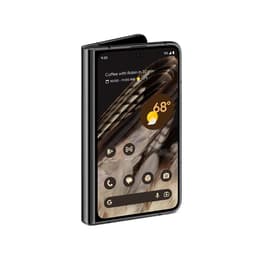
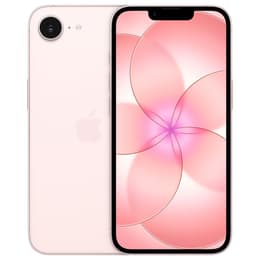
The Google Pixel Fold (2023) and the Apple iPhone 17e (2026) represent two fundamentally different smartphone concepts, contrasting a dual-screen folding device with a traditional candy-bar form factor. While the Pixel Fold prioritizes expansive multitasking space through an innovative folding design, the iPhone 17e focuses on streamlined reliability within a classic single-screen layout. Operating on distinct software ecosystems with Android and iOS respectively, these devices cater to users looking for entirely different daily interactions.

Available Models

Colour

Storage

Scores

Durability

When evaluating structural longevity and software support, both devices handle aging through different mechanical and digital approaches.

  • Software Support Duration: The iPhone 17e benefits from a newer 2026 release window, positioning it to receive Apple system updates further into the future compared to the earlier 2023 release date of the Pixel Fold.
  • Mechanical vs Traditional Build: The traditional slate structure of the iPhone 17e features fewer moving parts, whereas the complex hinge and flexible inner screen of the Pixel Fold require careful handling over multi-year ownership cycles.
  • Repairability Expectations: Conventional smartphone designs like the iPhone 17e generally present simpler pathways for component replacements than multi-panel folding hardware.

Year of Release

2023

2026

OS

Android

iOS

Foldable

Yes

No

Performance

Day-to-day speed, multitasking capability, and battery endurance vary significantly based on internal hardware distribution and software optimization.

  • Multitasking and Memory: The Pixel Fold utilizes its larger RAM allocation to handle split-screen applications simultaneously, whereas the iPhone 17e manages background tasks efficiently through streamlined operating system routines.
  • App Responsiveness: Both devices load demanding mobile applications and handle general browsing swiftly, though current-generation internal architecture gives the iPhone 17e an edge in raw processing speed and thermal efficiency.
  • Battery Behavior: The Pixel Fold's dual displays draw substantial power during internal screen usage requiring more frequent recharges, while the iPhone 17e's single display configuration supports sustained day-long usage under typical conditions.

Screen quality

Display configurations define the core visual identity of each device, presenting distinct choices between a sprawling tablet-sized canvas and a pocket-friendly standard panel.

  • Display Technology: The Pixel Fold features an outer OLED panel alongside a foldable inner OLED screen that expands the viewing area, while the iPhone 17e relies on a traditional Super Retina XDR OLED screen.
  • Refresh Rate and Fluidity: Both models offer smooth 120Hz refresh rates on their primary viewing surfaces for fluid scrolling, though Apple limits the iPhone 17e to a standard 60Hz rate.
  • Outdoor Usability: High peak brightness capabilities on both screens allow for legible viewing outdoors in direct sunlight, with anti-reflective glass coatings managing glare effectively.

Resolution

1840 x 2208

2532 x 1170

Audiovisual

Imaging hardware and media playback features cater to distinct photography styles and entertainment preferences.

  • Camera System Versatility: The Pixel Fold includes a triple-lens rear array featuring wide, ultra-wide, and telephoto options, whereas the iPhone 17e employs a single high-resolution wide lens with optical-quality sensor cropping for zoom.
  • Video and Audio Output: Both devices capture stable, high-definition video with crisp stereo sound separation, making them well-suited for casual recording and multimedia streaming.
  • Media Consumption: The expansive unfolded screen of the Pixel Fold provides an immersive environment for watching videos, while the iPhone 17e delivers balanced audio through stereo speakers in a compact form factor.

Front camera

8 megapixels

12 megapixels

Miscellaneous

Physical dimensions, connectivity standards, and daily usability features shape how each device fits into travel and professional routines.

  • Build and Portability: The iPhone 17e maintains a lightweight, slim profile that slips easily into pockets, contrasting with the heavier, thicker folded footprint of the Pixel Fold.
  • Authentication Methods: The Pixel Fold uses a side-mounted fingerprint reader, while the iPhone 17e relies on facial recognition technology for secure unlocking.
  • Ecosystem Connectivity: Both models support fast 5G data speeds, modern Wi-Fi standards, and reliable Bluetooth connectivity for accessories.

Weight

283 g

169 g

Screen size (in)

7.6

6.1

Network

5G

5G

SIM card

Physical SIM + eSIM

eSIM

Carrier compatibility

Unlocked

Unlocked

Connector

USB-C

USB-C (USB 2)

What the community thinks

User feedback and community discussions highlight clear preference lines for each device. Owners of the Google Pixel Fold frequently praise its expansive internal display for multitasking and reading, though some users note concerns regarding the weight and the visibility of the screen crease. Conversely, buyers of the iPhone 17e commonly highlight its dependable battery life, comfortable one-handed usability, and smooth operating system performance, while noting the absence of optical zoom lenses as a limitation for photography enthusiasts.

Users prioritizing maximum screen estate for productivity and split-screen apps may prefer the versatile layout of the Pixel Fold. Meanwhile, users prioritizing a lightweight pocket footprint, long-term software lifespan, and simple daily reliability will lean toward the iPhone 17e. Choosing a quality-assured refurbished option through sustainable platforms like Back Market provides an eco-friendly alternative for acquiring either device without compromising on functional integrity.