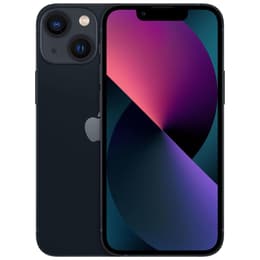


iPhone 11 Pro Max Vs iPhone 13 mini

iPhone 11 Pro Max
iPhone 11 Pro Max
Starting at

Refurbished price:219.00

Versus €939.00 new

See options
iPhone 13 mini
iPhone 13 mini
Starting at

Refurbished price:228.00

Versus €829.00 new

See options

Ratings

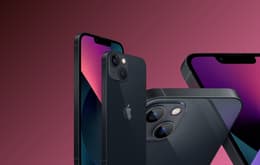
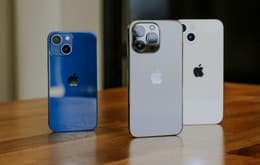
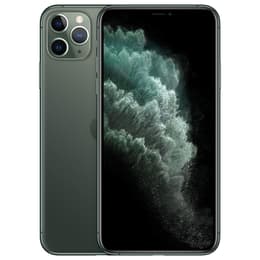
The iPhone 11 Pro Max, released in September 2019, and the iPhone 13 Mini, launched in September 2021, represent different approaches within Apple's smartphone lineup. While both offer a premium iOS experience, they cater to distinct user preferences primarily through their size, processing capabilities, and camera feature sets. These differences influence daily usability and overall device interaction.

Scores

Durability

The practical lifespan of a smartphone is often determined by its software support and physical durability. These two models, released two years apart, offer differing expectations in this regard.

  • Software Longevity: The iPhone 13 Mini, being a newer device, benefits from a longer expected period of major iOS updates compared to the iPhone 11 Pro Max. The iPhone 11 Pro Max, launched with iOS 13, is nearing the typical end of its major software update cycle, whereas the iPhone 13 Mini, which debuted with iOS 15, will continue to receive updates for several more years.
  • Physical Durability: Both devices feature an IP68 rating for water and dust resistance, indicating protection against submersion. The iPhone 13 Mini introduces a Ceramic Shield front cover, designed to offer enhanced drop performance compared to the glass used on the iPhone 11 Pro Max. The iPhone 11 Pro Max has a stainless steel frame, while the iPhone 13 Mini uses an aluminum frame.
  • Expected Practical Lifespan: Users prioritizing the latest software features and security updates for the longest possible duration may find the iPhone 13 Mini a more suitable option. For those content with an older software version, the iPhone 11 Pro Max remains a capable device.

Year of Release

2019

2021

Compatible with latest Update

Yes

Yes

OS

iOS

iOS

Foldable

No

No

Performance

Performance is a key differentiator, with the iPhone 13 Mini featuring a more advanced internal architecture compared to the iPhone 11 Pro Max.

  • Processing Power: The iPhone 13 Mini is equipped with a newer generation processor, which translates to noticeably faster app loading times, smoother multitasking, and more responsive performance in demanding applications and games. The iPhone 11 Pro Max, while still capable for everyday tasks, relies on an older processor that may show its age with more intensive use over time.
  • Battery Behavior: The iPhone 11 Pro Max was known for its robust battery life, often providing extended usage on a single charge due to its larger physical battery capacity. The iPhone 13 Mini, despite its smaller battery, offers efficient power management from its newer processor, resulting in good battery performance for its compact size, though typically less overall endurance than the larger 11 Pro Max.
  • System Responsiveness: Both devices offer a fluid iOS experience, but the iPhone 13 Mini's more powerful internal components provide a snappier feel, particularly when navigating complex interfaces or switching between numerous applications. Both models typically come with 4GB of RAM, which supports competent multitasking.

Memory (GB)

4 GB

4 GB

Screen quality

Both devices feature high-quality OLED displays, but their physical dimensions and pixel density offer different viewing experiences.

  • Display Technology and Clarity: Both the iPhone 11 Pro Max and iPhone 13 Mini utilize Super Retina XDR OLED displays, providing deep blacks, vibrant colors, and excellent contrast ratios. The iPhone 13 Mini has a slightly higher pixel density (476 ppi) on its smaller 5.4-inch screen compared to the iPhone 11 Pro Max's 6.5-inch display (458 ppi), resulting in a marginally sharper image on the smaller device.
  • Brightness and Viewing Experience: Both models offer similar brightness levels, with a typical maximum of 800 nits and a peak HDR brightness of 1200 nits, ensuring good visibility in various lighting conditions, including bright outdoor environments. The larger screen of the iPhone 11 Pro Max provides a more expansive canvas for media consumption and productivity, while the iPhone 13 Mini's compact screen is ideal for one-handed use and portability.
  • Refresh Rate: Both devices feature a standard 60Hz refresh rate, which provides a smooth visual experience for most users, though it does not offer the ultra-smooth scrolling found on devices with higher refresh rates.

Resolution

1242 x 2688

1080 x 2340

Screen type

Super Retina XDR OLED

Super Retina XDR OLED

Audiovisual

The camera systems on these two iPhones reflect advancements in mobile photography over their respective release years, offering distinct capabilities.

  • Camera System Configuration: The iPhone 11 Pro Max features a versatile triple 12MP camera system, including Wide, Ultra Wide, and Telephoto lenses, providing optical zoom-in and zoom-out capabilities. The iPhone 13 Mini has a dual 12MP camera system with Wide and Ultra Wide lenses, but lacks a dedicated telephoto lens.
  • Photography Performance: Both phones excel in everyday photography with features like Night Mode for improved low-light performance and Deep Fusion for enhanced detail. The iPhone 13 Mini introduces Sensor-shift optical image stabilization on its Wide camera for better stability, and Smart HDR 4 for more intelligent scene processing. It also offers Photographic Styles for personalized image looks.
  • Video Recording and Features: Both devices support 4K video recording at up to 60 frames per second. The iPhone 13 Mini introduces Cinematic Mode, which allows for a shallow depth of field effect and automatic focus transitions in videos, a feature not present on the 11 Pro Max. The 11 Pro Max offers a 2x optical zoom for video, while the 13 Mini relies on digital zoom for closer shots.

Main camera

12 megapixels

12 megapixels

Front camera

12 megapixels

12 megapixels

Miscellaneous

Beyond core performance and camera, several practical elements differentiate the user experience between these two models.

  • Connectivity Options: The iPhone 13 Mini supports 5G cellular connectivity, offering faster download and upload speeds in areas with 5G networks, a feature absent from the iPhone 11 Pro Max, which relies on Gigabit LTE. Both devices support Wi-Fi 6 and Bluetooth 5.0 for robust wireless connections.
  • Port Types and Sensors: Both phones utilize Apple's proprietary Lightning port for charging and data transfer. For security, both feature Face ID for facial recognition. The iPhone 13 Mini also includes an Ultra Wideband chip for enhanced spatial awareness features.
  • Physical Characteristics: The iPhone 11 Pro Max is a larger and heavier device, measuring 158 x 77.8 x 8.1 mm and weighing 226 grams, making it a substantial device in hand. In contrast, the iPhone 13 Mini is significantly more compact and lighter at 131.5 x 64.2 x 7.65 mm and 141 grams, designed for users who prefer a smaller form factor.

Weight

226 g

140 g

Screen size (in)

6.5

5.4

Network

4G

5G

SIM card

Physical SIM + eSIM

Physical SIM + eSIM

Carrier compatibility

Unlocked

Unlocked

Connector

Lightning

Lightning

User feedback often highlights the iPhone 11 Pro Max's strong battery life and its comprehensive triple-camera system, particularly the inclusion of a telephoto lens, as key advantages. Some users, however, find its larger size and weight less convenient for one-handed use. The iPhone 13 Mini is frequently praised for its highly portable and comfortable compact design, coupled with its modern processing power and advanced video capabilities like Cinematic Mode. Criticisms sometimes point to its smaller screen size for media consumption and a battery life that, while good for its size, may not match the endurance of larger models for heavy users.

Users prioritizing a large display, a versatile camera system with optical zoom, and extended battery life for prolonged use may find the iPhone 11 Pro Max well-suited to their needs. Conversely, individuals who value a highly compact and lightweight device, the latest processing performance, and advanced video features will likely lean towards the iPhone 13 Mini. Both devices offer a reliable iOS experience, and choosing between them often comes down to personal preference regarding size, specific camera features, and the desire for the most current internal components. For those seeking a quality-assured refurbished option, both models are available, providing an eco-friendly alternative to purchasing new.


See all articles

Our recent comparisons