
iPhone 16 Plus Vs iPhone 17

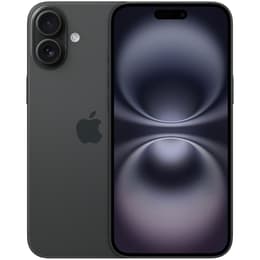
iPhone 16 Plus
iPhone 16 Plus
Starting at

Refurbished price:559.00

Versus €979.00 new

See options
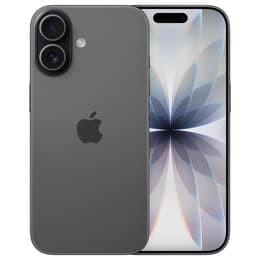
iPhone 17
iPhone 17
Starting at

Refurbished price:704.00

Versus €979.00 new

See options

Ratings

The iPhone 16 Plus, released in September 2024, and the iPhone 17, launched in September 2025, represent two recent generations of Apple's smartphone lineup. While both devices operate on the iOS platform and offer a consistent user experience, the iPhone 17 introduces a more advanced display, an updated processor, and enhanced camera capabilities compared to its predecessor.

Scores

Durability

When considering the long-term usability of these devices, several factors come into play, including their release timelines, software support, and physical resilience.

  • Release Timeline: The iPhone 16 Plus was released in September 2024, while the iPhone 17 followed a year later in September 2025. This means the iPhone 17 will likely receive software updates for approximately one year longer than the iPhone 16 Plus, extending its practical lifespan for users who prioritize the latest iOS features and security patches.
  • Software Longevity: Both models benefit from Apple's commitment to extended software support, typically receiving major iOS updates for five to six years from their release. The iPhone 17, being the newer model, will naturally have a longer window of official support. The iPhone 16 Plus originally shipped with iOS 18, and the iPhone 17 with iOS 26, with both currently running iOS 26.4 as of March 2026.
  • Physical Durability: The iPhone 16 Plus features Ceramic Shield on both its front and back, contributing to its overall resilience against drops and scratches. The iPhone 17 further enhances this with Ceramic Shield 2, which Apple states offers three times better scratch resistance. Both devices carry an IP68 rating for water and dust resistance, allowing submersion in up to 6 meters of water for 30 minutes.

Performance

The performance of a smartphone is crucial for daily tasks, from launching applications to managing multiple activities simultaneously.

  • Processor Capabilities: The iPhone 16 Plus is equipped with an A18 chip, providing smooth performance for demanding applications and multitasking. The iPhone 17 features a newer A19 chip, which offers an incremental boost in processing power and efficiency, leading to slightly faster app loading times and more fluid transitions, particularly with newer, more intensive applications.
  • Multitasking and Responsiveness: Both models come with 8GB of RAM, enabling effective multitasking and responsive operation. The newer processor in the iPhone 17, combined with its optimized software, may offer a marginally smoother experience when switching between numerous open applications or handling complex tasks.
  • Storage Options: The iPhone 16 Plus is available with 128GB, 256GB, or 512GB of internal storage. The iPhone 17 starts with a base storage of 256GB and also offers a 512GB option, providing more storage capacity at its entry level.
  • Battery Behavior: The iPhone 16 Plus, with its larger physical size, houses a 4674 mAh battery, which has been noted for its extended endurance, often lasting up to two days with moderate use or around 21 hours of continuous video streaming. The iPhone 17 has a 3692 mAh battery, offering slightly improved longevity over its direct predecessor (the iPhone 16) but generally less than the larger iPhone 16 Plus, with around 12 hours and 47 minutes in video streaming tests. Both support fast charging via USB-C, reaching 50% charge in about 20-30 minutes with a compatible adapter.

Memory (GB)

8 GB

8 GB

Screen quality

The display is a primary interface for user interaction, and both devices offer high-quality viewing experiences with some notable distinctions.

  • Display Technology and Clarity: Both the iPhone 16 Plus and iPhone 17 feature Super Retina XDR OLED displays, known for their deep blacks, vibrant colors, and excellent contrast. Both have a pixel density of approximately 460 pixels per inch, ensuring sharp text and clear images.
  • Screen Size and Viewing Experience: The iPhone 16 Plus offers a larger 6.7-inch display, providing a more expansive canvas for media consumption and productivity. The iPhone 17 features a 6.3-inch display, which is slightly more compact while still offering a substantial viewing area.
  • Refresh Rate and Brightness: A key difference lies in the refresh rate. The iPhone 16 Plus has a standard 60Hz refresh rate. The iPhone 17, however, incorporates ProMotion technology with an adaptive refresh rate up to 120Hz, resulting in smoother scrolling, more fluid animations, and a more responsive touch experience. The iPhone 17 also boasts a higher peak outdoor brightness of 3000 nits, compared to the iPhone 16 Plus's 2000 nits, making content more visible in bright sunlight. The iPhone 17 also includes an Always-On display feature.

Audiovisual

Both smartphones offer advanced camera systems designed to capture high-quality photos and videos, with the newer model bringing generational improvements.

  • Rear Camera System: The iPhone 16 Plus features an advanced dual-camera system with a 48MP Fusion Main camera and a 12MP Ultra Wide camera. The Main camera also enables a 2x optical-quality telephoto zoom. The iPhone 17 upgrades the Ultra Wide camera to a 48MP Fusion sensor, alongside its 48MP Fusion Main camera, offering more consistent detail and color across different focal lengths.
  • Front Camera: For selfies and video calls, the iPhone 16 Plus includes a 12MP front camera. The iPhone 17 features an upgraded 18MP Center Stage camera, which can automatically adjust framing during video calls and offers enhanced clarity.
  • Photography and Video Features: Both devices include features like Photonic Engine, Deep Fusion, Smart HDR 5, and Night mode for improved image processing in various lighting conditions. Video recording capabilities are strong on both, supporting 4K Dolby Vision video up to 60 fps, Cinematic mode, and Action mode. The iPhone 17 introduces Dual Capture video, allowing simultaneous recording from both front and rear cameras.
  • Audio Experience: Both models provide stereo speakers and support spatial audio for an immersive media consumption experience. Microphone quality is generally high for calls and recordings on both devices.

Miscellaneous

Beyond core performance and display, several practical elements contribute to the overall user experience of these smartphones.

  • Connectivity: Both the iPhone 16 Plus and iPhone 17 support 5G cellular connectivity for fast mobile data speeds. The iPhone 16 Plus supports Wi-Fi 7 and Bluetooth 5.3. The iPhone 17 features Wi-Fi 7, Bluetooth 6.0, and Thread, offering potentially faster and more reliable wireless connections, especially for smart home devices.
  • Ports and Charging: Both devices utilize a USB-C port for charging and data transfer. They also support MagSafe and Qi2 wireless charging.
  • Biometric Security: Both models rely on Face ID for secure facial recognition, enabling quick and convenient unlocking and authentication.
  • Physical Characteristics: The iPhone 16 Plus is the larger and heavier of the two, with dimensions of 160.9 × 77.8 × 7.8 mm and a weight of 199 grams. The iPhone 17 is more compact and lighter, measuring 149.6 mm × 71.5 mm × 7.95 mm and weighing 177 grams. The choice between them often comes down to preference for screen size versus ease of one-handed use.
  • SIM Technology: Both the iPhone 16 Plus and iPhone 17 support dual eSIM technology, allowing for the use of multiple cellular plans without a physical SIM card.

Screen size (in)

6.7

6.3

Network

5G

5G

SIM card

eSIM

eSIM

Carrier compatibility

Unlocked

Unlocked

User feedback for the iPhone 16 Plus often highlights its exceptional battery life as a major advantage, making it a suitable choice for users who prioritize extended usage between charges. Its large display is also frequently praised for media consumption. Some users, however, noted its 60Hz display as a point of comparison with other devices offering higher refresh rates.

For the iPhone 17, common praise centers on its upgraded display with ProMotion and Always-On functionality, which significantly enhances the visual and interactive experience. The improved camera system, particularly the 48MP Ultra Wide and 18MP front camera, also receives positive remarks for delivering more detailed and versatile photography. Some users have observed that while the iPhone 17's battery life is good, it doesn't match the extended endurance of the larger iPhone 16 Plus.

Users prioritizing a larger screen and maximum battery life for prolonged use throughout the day may find the iPhone 16 Plus well-suited to their needs. Its robust battery performance makes it a strong contender for travelers or those with heavy usage patterns. Conversely, individuals who value the latest display technology, including smoother scrolling and an Always-On display, along with enhanced camera capabilities for both front and rear photography, may lean towards the iPhone 17. Its more compact form factor also appeals to users seeking a device that is easier to handle with one hand.

Both devices offer a reliable and feature-rich smartphone experience. For those considering a more sustainable choice, exploring quality-assured refurbished options for either model can provide an eco-friendly alternative without compromising on performance or functionality.


See all articles

Our recent comparisons