

Compare models

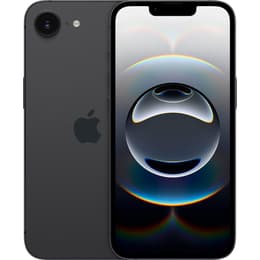
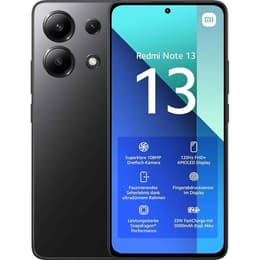
iPhone 16e Vs Xiaomi Redmi Note 13 4G

  • 1-year minimum warranty
  • Free delivery on all orders
  • Free returns until Jan 31
iPhone 16e
Starting at

Refurbished price:€420.00

Versus €719.00 new

See options
Xiaomi Redmi Note 13 4G
Starting at

Refurbished price:€162.00

Versus €299.00 new

See options

Differences at a glance

The Apple iPhone 16e (2025) and the Xiaomi Redmi Note 13 4G (2024) are modern smartphones that serve very different segments of the mobile market. While the iPhone 16e runs on iOS and targets users looking for streamlined performance in a compact form factor, the Xiaomi Redmi Note 13 4G operates on Android with Xiaomi's custom interface, emphasizing media consumption features and everyday utility. These devices differ substantially in their underlying software ecosystems, hardware capabilities, and design philosophies.

Available Models

Colour

Storage

Scores

Durability

When examining longevity and durability, both smartphones approach software support and physical resilience through different manufacturing standards.

  • Software Support and Updates: The iPhone 16e benefits from Apple's long-term operating system upgrade path, ensuring multi-year feature updates and security patches. The Xiaomi Redmi Note 13 4G receives standard Android security patches and system updates tailored for mid-range device lifecycles.
  • Build and Materials: The iPhone 16e utilizes an aluminum frame paired with front glass protection designed to withstand daily wear. The Xiaomi Redmi Note 13 4G features a plastic frame and back construction with basic splash and dust resistance, making careful handling advisable in wet conditions.
  • Repairability and Lifespan: Both models offer predictable hardware lifespans, though component availability for out-of-warranty repairs varies by region and local technician support.

Year of Release

2025

2024

OS

iOS

Android

Foldable

No

No

Performance

Under everyday conditions, processing capability and battery management shape how each phone handles multitasking, gaming, and routine applications.

  • System Speed and Multitasking: The iPhone 16e handles demanding applications, intensive games, and complex multitasking smoothly due to its current-generation processor and robust RAM architecture. The Xiaomi Redmi Note 13 4G manages daily communication tasks, web browsing, and casual apps reliably, though demanding 3D games may require lower graphic settings.
  • Battery Behavior: The iPhone 16e provides dependable all-day power efficiency under mixed usage scenarios. The Xiaomi Redmi Note 13 4G houses a large-capacity battery that comfortably lasts through a full day of standard use, supported by moderate-speed wired charging.
  • Storage Configurations: Both devices offer various internal storage tiers to accommodate apps, photos, and media files, though neither supports physical storage expansion via microSD cards.

Screen quality

Display characteristics differ significantly between the two models in terms of refresh rates, panel technology, and maximum brightness.

  • Display Technology: The iPhone 16e features a crisp OLED panel delivering deep contrast levels and accurate color reproduction. The Xiaomi Redmi Note 13 4G uses an AMOLED screen that offers vibrant visuals paired with a high refresh rate for smooth scrolling.
  • Outdoor Visibility: Both displays reach sufficient peak brightness levels to remain legible under direct sunlight, ensuring comfortable outdoor text reading and media viewing.
  • Viewing Experience: The iPhone 16e uses a compact 6.1-inch screen size well-suited for single-handed operation, whereas the Xiaomi Redmi Note 13 4G provides a larger 6.67-inch panel that offers extra screen workspace for videos and reading.

Resolution

2532x1170

1080 x 2400

Audiovisual

Imaging hardware and media output cater to different photography styles and content consumption preferences.

  • Camera Systems: The iPhone 16e relies on a single high-resolution rear sensor paired with computational photography software to capture detailed everyday and low-light shots. The Xiaomi Redmi Note 13 4G employs a multi-lens rear setup featuring a high-megapixel main sensor alongside an ultra-wide option for broader landscape framing.
  • Video and Audio: The iPhone 16e records stable, high-definition video with clear directional microphone audio. The Xiaomi Redmi Note 13 4G delivers adequate video recording capabilities for casual sharing and social media.
  • Media Playback: Both phones feature built-in speaker systems suitable for hands-free calls, casual video watching, and listening to podcasts without external headphones.

Front camera

TrueDepth 12MP

16 megapixels

Miscellaneous

Practical daily features, connectivity standards, and physical dimensions define how these phones integrate into daily routines.

  • Connectivity Standards: The iPhone 16e supports modern 5G networks, advanced Wi-Fi standards, and Bluetooth accessories. The Xiaomi Redmi Note 13 4G focuses primarily on 4G LTE connectivity alongside reliable local wireless protocols.
  • Port Type and Charging: The iPhone 16e utilizes a universal USB-C port for charging and data synchronization, mirroring the physical connection standard found on the Xiaomi Redmi Note 13 4G.
  • Security and Handling: The iPhone 16e uses facial recognition for secure authentication, while the Xiaomi Redmi Note 13 4G incorporates a side-mounted fingerprint sensor integrated into the power button.

Weight

167 g

175 g

Screen size (in)

6.1

6.67

Network

5G

4G

SIM card

eSIM

Dual Physical SIM

Carrier compatibility

Unlocked

Unlocked

Connector

USB-C

USB-C

What the community thinks

User feedback from online communities highlights distinct preferences for each device. Owners of the iPhone 16e frequently praise its fluid system responsiveness, reliable pocket-friendly dimensions, and long-term software support. Conversely, users of the Xiaomi Redmi Note 13 4G often point out the smooth display refresh rate and generous screen estate as standout attributes for media consumption. Some users note that the lack of 5G connectivity on the Xiaomi model requires consideration depending on local network infrastructure, while others mention that Apple's streamlined software ecosystem has a steeper learning curve for those transitioning from Android.

Users prioritizing high-performance processing, compact handling, and extended software lifespans will find the iPhone 16e well-suited to their needs. Meanwhile, users who prefer a larger viewing canvas, high screen refresh rates, and an Android-based interface may lean toward the Xiaomi Redmi Note 13 4G. For buyers exploring sustainable shopping habits, selecting a quality-assured refurbished option provides an eco-friendly alternative that extends electronic lifecycles while maintaining dependable functionality. Ultimately, the choice depends on whether iOS integration or Android media flexibility aligns better with daily routines.