
iPhone

Compare models
Differences at a glance
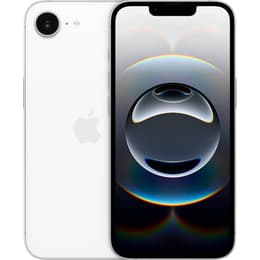
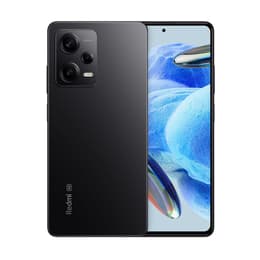
The iPhone 16E, an anticipated smartphone from Apple, and the Xiaomi Redmi Note 12 Pro 5G, released in late 2022, represent different approaches to smartphone design and functionality. While the iPhone 16E is expected to offer a premium user experience with a focus on seamless integration and advanced processing, the Redmi Note 12 Pro 5G provides a comprehensive feature set, particularly in display technology and battery capacity. This comparison will explore their core differences to help users determine which device aligns best with their needs.
Colour
Storage
When considering the long-term usability of a smartphone, factors like software support and physical resilience are key. The iPhone 16E, as a newer Apple device, is expected to benefit from an extended period of iOS updates, typically spanning five to six years from its release. The Xiaomi Redmi Note 12 Pro 5G, launched in late 2022, runs on Android 12 with MIUI 13/14 and is generally expected to receive two major Android updates and four years of security updates. [8, 17]
Year of Release
OS
Foldable
Performance is a critical aspect for daily smartphone use, influencing everything from app responsiveness to gaming capabilities. The iPhone 16E is expected to house Apple's latest generation processor, designed for high efficiency and demanding tasks, while the Xiaomi Redmi Note 12 Pro 5G is powered by a MediaTek Dimensity 1080 chipset. [1, 4, 5, 8, 11, 13, 15, 16, 20, 23]
The display is the primary interface for smartphone interaction, and both devices offer distinct viewing experiences. The iPhone 16E is expected to feature a Super Retina XDR OLED display, known for its color accuracy and contrast, while the Redmi Note 12 Pro 5G boasts a 6.67-inch Flow AMOLED display. [1, 3, 4, 5, 8, 9, 13, 15, 20, 23]
Resolution
Camera capabilities are a significant consideration for many users, and both smartphones offer advanced photographic features. The iPhone 16E is expected to come with an evolved dual-camera system, building on Apple's computational photography strengths, while the Xiaomi Redmi Note 12 Pro 5G features a triple camera setup with a 50MP main sensor. [1, 5, 8, 9, 11, 13, 14, 17, 18, 20, 24]
Front camera
Beyond core specifications, several practical elements contribute to the overall user experience. Both the iPhone 16E and the Xiaomi Redmi Note 12 Pro 5G offer modern connectivity and security features, but with some key distinctions in their physical design and port options.
Weight
Screen size (in)
Network
SIM card
Carrier compatibility
Connector
The iPhone 16E and the Xiaomi Redmi Note 12 Pro 5G cater to different user priorities, reflecting their respective ecosystems and design philosophies. Users often praise Apple devices for their intuitive software experience, robust ecosystem, and consistent performance, while some may criticize the lack of customization options or the absence of certain hardware features like a headphone jack. Conversely, the Redmi Note 12 Pro 5G is frequently lauded for its vibrant AMOLED display, long-lasting battery, and fast charging capabilities, often noted for offering a strong feature set. [12, 17, 18, 19, 21, 23] Some users, however, might find its software experience with MIUI to be less streamlined compared to stock Android or iOS, and its long-term software support is typically shorter than Apple's. [17]
Users prioritizing a seamless, long-supported software experience, advanced computational photography, and a premium, compact design may find the iPhone 16E well-suited to their needs. Its expected performance and integration within the Apple ecosystem make it a strong choice for those already invested in Apple services or seeking a device with extended longevity through software updates. On the other hand, users who value a large, high-refresh-rate display, excellent battery life with rapid charging, and the flexibility of Android, including a traditional headphone jack, may lean towards the Xiaomi Redmi Note 12 Pro 5G. It offers a compelling package for media consumption and everyday productivity.
For those looking to make an informed and sustainable choice, considering quality-assured refurbished options for either device can provide an eco-friendly alternative, extending the life cycle of these electronics.