

iPhone 11 Vs iPhone SE (2022)

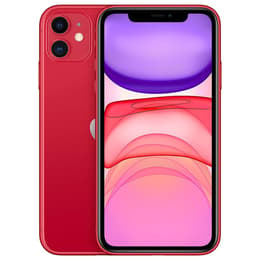
iPhone 11
iPhone 11
Starting at

Refurbished price:150.08

Versus €589.00 new

See options
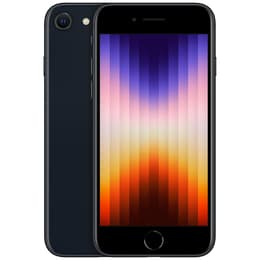
iPhone SE (2022)
iPhone SE (2022)
Starting at

Refurbished price:127.00

Versus €549.00 new

See options

Ratings

The iPhone 11, released in September 2019, and the iPhone SE (2022), launched in March 2022, are two distinct smartphone offerings from Apple. While both run on Apple's iOS operating system, they cater to different user preferences through their design philosophies and feature sets. The iPhone SE (2022) prioritizes a compact form factor and a more recent processor, whereas the iPhone 11 offers a larger display and a versatile dual-camera system.

Scores

Durability

When considering the practical lifespan of these devices, their release timelines and software support are key factors. The iPhone SE (2022) benefits from a more recent launch, suggesting a longer period of official iOS updates compared to the iPhone 11.

  • Release Timeline: The iPhone 11 was introduced in September 2019, while the iPhone SE (2022) followed in March 2022. This nearly two-and-a-half-year difference means the iPhone SE (2022) will likely receive software updates for a longer duration.
  • Software Longevity: The iPhone 11 is compatible with iOS 26 as of March 2026, indicating continued support. However, the iPhone SE (2022), with its newer processor, is expected to maintain software compatibility for an extended period, offering users a longer window for accessing the latest features and security updates.
  • Repairability: Both models generally offer a moderate level of repairability. The iPhone 11 has an iFixit repairability score of 6 out of 10, with common repairs like screen and battery replacements being relatively accessible. The iPhone SE (2022) also has a similar repairability score, with battery and screen replacements being feasible, though some components require specialized tools.

Year of Release

2019

2022

Compatible with latest Update

Yes

Yes

OS

iOS

iOS

Foldable

No

No

Performance

Performance is a significant differentiator, with the iPhone SE (2022) featuring a more advanced internal architecture, while the iPhone 11 still delivers capable performance for everyday use.

  • Processor Capabilities: The iPhone SE (2022) incorporates a newer-generation processor, which translates to faster app loading, smoother multitasking, and enhanced performance in demanding applications and games. The iPhone 11, powered by its own capable processor, still handles daily tasks and most applications with responsiveness.
  • Battery Behavior: The iPhone 11 generally offers longer battery life due to its larger physical battery capacity. Users often report that the iPhone 11 can last through a full day of moderate to heavy use. The iPhone SE (2022), despite its more efficient processor, has a smaller battery, which typically results in more frequent charging for heavy users.
  • Storage Options: Both devices are available with similar internal storage configurations, typically starting at 64GB, with options for 128GB and 256GB, providing flexibility for user data and applications.

Memory (GB)

4 GB

4 GB

Screen quality

The display experience varies significantly between these two models, primarily due to differences in screen size and overall design.

  • Display Technology and Size: The iPhone 11 features a larger 6.1-inch Liquid Retina HD LCD display, offering a more expansive viewing area. In contrast, the iPhone SE (2022) retains a more compact 4.7-inch Retina HD LCD display, which is preferred by users seeking a smaller device. Both displays utilize IPS technology, True Tone, and wide color (P3) for accurate color reproduction.
  • Resolution and Brightness: Both phones offer a pixel density of 326 pixels per inch (ppi), providing clear visuals for typical viewing distances. They also share a similar maximum brightness of 625 nits, ensuring adequate visibility in various lighting conditions, though direct sunlight can still pose challenges for the iPhone 11.
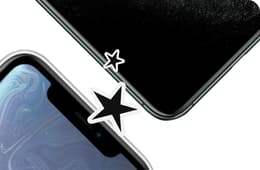
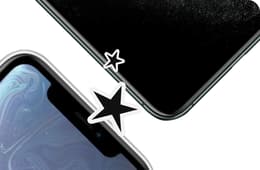
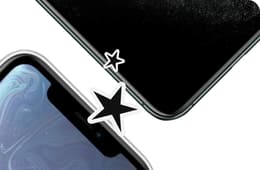
  • Design and Interaction: The iPhone 11 features an edge-to-edge display with a notch for Face ID, offering a more modern aesthetic. The iPhone SE (2022) maintains the classic iPhone design with a home button and larger bezels, which some users find familiar and practical for Touch ID.

Resolution

828 x 1792

750 x 1334

Screen type

Liquid Retina IPS LCD

Retina IPS LCD

Audiovisual

The camera systems on the iPhone 11 and iPhone SE (2022) offer different capabilities, particularly in terms of versatility and advanced features.

  • Rear Camera System: The iPhone 11 boasts a dual-camera setup, including a 12-megapixel wide lens and a 12-megapixel ultra-wide lens, allowing for broader landscape shots and more creative compositions. It also features Night mode for improved low-light photography and Deep Fusion for enhanced detail. The iPhone SE (2022) has a single 12-megapixel wide rear camera. While it benefits from the newer processor's computational photography features like Smart HDR 4 and Deep Fusion, it lacks a dedicated ultra-wide lens and Night mode.
  • Front Camera and Video: The iPhone 11 includes a 12-megapixel front camera, capable of detailed selfies and 4K video recording. The iPhone SE (2022) features a 7-megapixel front camera, which performs well in good lighting but may struggle in low-light conditions. Both devices are capable of recording 4K video at various frame rates, with the iPhone SE (2022) offering sharp and smooth video quality, particularly for its category.
  • Audio Experience: Both models provide stereo speakers for media consumption. The microphone quality on both is suitable for calls and video recording.

Main camera

12 megapixels

12 megapixels

Front camera

12 megapixels

7 megapixels

Miscellaneous

Beyond core features, several practical elements contribute to the overall user experience and differentiate these two iPhone models.

  • Connectivity: A notable difference is the cellular connectivity. The iPhone SE (2022) supports 5G networks, offering faster download and upload speeds in compatible areas, along with Wi-Fi 6 and Bluetooth 5.0. The iPhone 11 supports 4G LTE, Wi-Fi 6, and Bluetooth 5.0, which is still robust for most users but does not include 5G capabilities.
  • Authentication and Ports: The iPhone SE (2022) utilizes Touch ID via its physical home button for secure authentication, a feature preferred by some users. The iPhone 11 relies on Face ID for biometric security, integrated into its notch design. Both devices feature a Lightning port for charging and data transfer.
  • Physical Characteristics: The iPhone SE (2022) is significantly more compact and lighter, measuring 138.4 x 67.3 x 7.3 mm and weighing 144g, making it easier for one-handed use and pocketability. The iPhone 11 is larger and heavier at 150.9 x 75.7 x 8.3 mm and 194g, providing a more substantial feel and a larger screen. Both feature a glass front and back with an aluminum frame, offering a premium build. The iPhone 11 has an IP68 rating for water and dust resistance (up to 2 meters for 30 minutes), while the iPhone SE (2022) has an IP67 rating (up to 1 meter for 30 minutes).

Weight

194 g

144 g

Width

7,57 cm

6 cm

Height

15,09 cm

13 cm

Depth

0,83 cm

0,73 cm

Screen size (in)

6.1

4.7

Network

4G

5G

SIM card

Physical SIM + eSIM

Physical SIM + eSIM

Carrier compatibility

Unlocked

Unlocked

Connector

Lightning

Lightning

Choosing between the iPhone 11 and iPhone SE (2022) involves weighing different priorities. User feedback often praises the iPhone 11 for its robust battery life and versatile dual-camera system, particularly its Night mode, which significantly enhances low-light photography. Some users, however, note its larger size and the absence of 5G as potential drawbacks in a rapidly evolving connectivity landscape.

The iPhone SE (2022) is frequently lauded for its powerful, current-generation processor, delivering exceptional speed and responsiveness in a compact form factor. Its inclusion of 5G connectivity is also a significant advantage for future-proofing. Criticisms often point to its smaller, older-style display with larger bezels, and the lack of an ultra-wide camera or Night mode, which can limit its photographic capabilities in certain scenarios. Its battery life, while improved over previous SE models, is generally considered less enduring than that of the iPhone 11.

Users prioritizing a larger display, longer battery life, and a more versatile camera system with an ultra-wide lens and Night mode may find the iPhone 11 better suited to their needs. Conversely, those who value a compact design, the latest processing power for demanding tasks, 5G connectivity, and Touch ID will likely lean towards the iPhone SE (2022). Both models represent quality-assured refurbished options, providing an eco-friendly alternative for consumers.


See all articles

Our recent comparisons