

Compare models
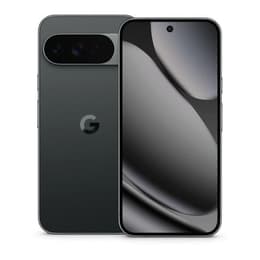
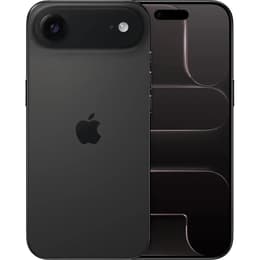
Google Pixel 10 Pro XL Vs iPhone Air
- 1-year minimum warranty
- Free delivery on all orders
- Free 30-day returns
Differences at a glance
The Google Pixel 10 Pro XL (2025) and the Apple iPhone Air (2025) represent two distinct visions of high-end smartphone engineering, focusing on maximum productivity versus ultra-slim portability. While both devices occupy flagship tiers and run on distinct operating systems, they approach daily usage with completely different priorities. The Google Pixel 10 Pro XL emphasizes expansive screen space and robust hardware flexibility, whereas the iPhone Air prioritizes a remarkably thin, lightweight silhouette. Choosing between them involves weighing software ecosystems alongside physical form factor preferences.
Available Models
Colour
Storage (GB)
Scores
Durability
Both smartphones are built to remain supported and secure for many years, though their underlying platforms and hardware architectures age through different maintenance cycles.
- Software Support: Both manufacturers provide long-term operating system upgrades and security patches spanning multiple years, ensuring sustained feature compatibility and protection against modern threats.
- Repairability and Build: Both devices utilize durable glass and metal structures with high-tier water and dust resistance ratings, though their physical designs lead to different internal layouts during hardware servicing.
- Expected Lifespan: Robust memory allocations and high-efficiency processing hardware on both models ensure that they maintain smooth operation over years of daily ownership.
Year of Release
2025
2025
Compatible with latest Update
Yes
Yes
OS
Android
iOS
Foldable
No
No
Performance
Underneath their exteriors, both handsets deliver rapid, responsive computing power designed to handle intensive daily workflows without hesitation.
- Multitasking and Responsiveness: Generous random access memory capacity on both models allows demanding applications, web browsing, and heavy background tasks to run concurrently without stuttering.
- Battery Behavior: The Google Pixel 10 Pro XL houses a high-capacity battery designed to comfortably clear long days of heavy use, while the iPhone Air relies on power-efficient engineering to maximize longevity within its slim chassis.
- Storage Configurations: Both devices offer ample baseline storage tiers to accommodate large media libraries, cached files, and extensive application data without frequent cleanup.
Screen quality
Visual output on both devices utilizes advanced display panels that deliver crisp text reproduction, deep contrast ratios, and smooth motion handling.
- Display Technology: Both models feature vibrant OLED panels that produce saturated colors and true blacks, optimizing media consumption and text readability.
- Motion and Refresh Rate: High refresh rate support ensures that scrolling through web pages, system menus, and compatible games appears fluid and continuous.
- Outdoor Visibility: High peak brightness capabilities on both screens allow content to remain legible even under direct sunlight or bright outdoor environments.
Resolution
1344x2992
2736x1260
Audiovisual
The two devices adopt divergent philosophies regarding photography and media capture hardware.
- Camera Systems: The Google Pixel 10 Pro XL features a versatile triple-lens rear camera setup optimized for wide, ultra-wide, and telephoto zoom shots, while the iPhone Air utilizes a streamlined single-lens approach focused on core clarity.
- Video and Audio: Both models offer steady, high-resolution video recording capabilities and clear microphone arrays suitable for voice notes, calls, and casual video capture.
- Media Playback: Built-in multi-speaker arrays on the Pixel provide an immersive audio experience for media playback, whereas the iPhone Air balances acoustic output with its ultra-thin frame profile.
Front camera
42 megapixels
18 megapixels
Miscellaneous
Practical daily usability elements, ranging from connectivity standards to physical dimensions, highlight the functional differences between the two models.
- Connectivity and Ports: Both smartphones support modern fifth-generation cellular networks, rapid wireless standards, and reversible charging interfaces for seamless accessory integration.
- Security and Authentication: The Pixel utilizes a responsive under-display fingerprint sensor, while the iPhone Air relies on advanced facial recognition technology.
- Handling and Form Factor: The Pixel 10 Pro XL offers a substantial, feature-rich footprint, whereas the iPhone Air focuses heavily on a featherlight, ultra-slim build that minimizes pocket bulk.
Weight
232 g
165 g
Screen size (in)
6.8
6.5
Network
5G
5G
SIM card
Physical SIM + eSIM
eSIM
Carrier compatibility
Unlocked
Unlocked
Connector
USB-C
USB-C
What the community thinks
User community discussions highlight distinct preferences for each device based on real-world usage habits. Owners of the Google Pixel 10 Pro XL frequently praise its extensive multi-lens camera versatility, large canvas display, and robust battery life, though some note its heavier physical footprint. Conversely, users of the iPhone Air frequently commend its featherlight handling and sleek profile, while noting that its single-lens camera and battery capacity are more streamlined. Users prioritizing multi-lens photography, expansive screen estate, and Android ecosystem integration will find the Pixel well-suited to their needs, while those valuing a lightweight silhouette and iOS functionality may prefer the iPhone Air. For buyers exploring sustainable alternatives, choosing a quality-assured refurbished option through platforms like Back Market offers an eco-friendly way to access advanced mobile technology without purchasing newly manufactured hardware.