

Galaxy A14 Vs Google Pixel 8a

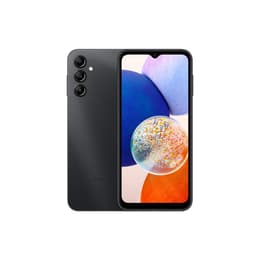
Galaxy A14
Galaxy A14
Starting at

Refurbished price:97.00

Versus €269.00 new

See options
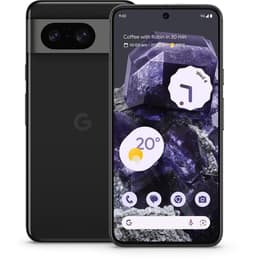
Google Pixel 8a
Google Pixel 8a
Starting at

Refurbished price:223.00

Versus €593.53 new

See options

Ratings

The Samsung Galaxy A14, released in early 2023, and the Google Pixel 8a, launched in mid-2024, are both Android smartphones designed to offer a balanced experience. While the Galaxy A14 focuses on essential features and a larger display, the Pixel 8a emphasizes advanced camera capabilities and a longer software support window. Both devices run on the Android operating system, providing access to a wide ecosystem of applications and services.

Scores

Durability

The practical lifespan of these devices varies significantly, primarily due to their release timelines and software support policies.

  • Software Longevity: The Google Pixel 8a, being a newer device from 2024, benefits from Google's commitment to seven years of OS, security, and Feature Drop updates, ensuring it remains current and secure for an extended period. The Samsung Galaxy A14, released in early 2023, typically receives two major Android OS updates and four years of security updates from its release.
  • Physical Durability: The Pixel 8a includes an IP67 rating for dust and water resistance, offering protection against splashes and submersion, and features Gorilla Glass 3 on its display for enhanced scratch resistance. The Galaxy A14 does not carry an official IP rating, suggesting less resistance to environmental elements, and uses a standard glass front. Both devices feature plastic backs, with the Pixel 8a using an aluminum frame.
  • Repairability: The Galaxy A14 has a repairability score of 8 out of 10, indicating it is relatively easy to disassemble, and its battery is held in place with an adhesive pull pouch, making replacement straightforward. The Pixel 8a has a moderate repairability score, with some sources giving it around 4.5 out of 10, noting challenges due to strong adhesives and a soldered charging port, making DIY repairs more difficult.

Year of Release

2023

2024

Compatible with latest Update

No

Yes

OS

Android

Android

Foldable

No

No

Performance

Performance capabilities differ notably between these two smartphones, impacting how they handle various tasks.

  • Everyday Responsiveness: The Pixel 8a is equipped with a current-generation processor, supporting efficient multitasking and handling demanding apps smoothly. The Galaxy A14 provides adequate performance for general use, though some users report occasional lags and stutters with animations.
  • Multitasking and Storage: The Pixel 8a comes with 8GB of RAM, supporting efficient multitasking, and offers 128GB or 256GB of internal storage, which is not expandable. The Galaxy A14 is available with 4GB, 6GB, or 8GB of RAM and 64GB or 128GB of internal storage, with the added benefit of expandable storage via a microSD card up to 1TB.
  • Battery Behavior: The Galaxy A14, with its 5000 mAh battery, generally offers good battery life, with many users reporting it can last up to two days with normal usage. The Pixel 8a has a 4492 mAh battery, and user reports on its battery life are mixed, with some finding it excellent for light use and others noting it can be subpar with heavy usage.

Memory (GB)

4 GB

8 GB

Screen quality

The visual experience on these devices differs significantly due to their display technologies and specifications.

  • Display Technology and Clarity: The Pixel 8a features a 6.1-inch Actua OLED display, known for its deep blacks, vibrant colors, and excellent contrast. The Galaxy A14 uses a larger 6.6-inch PLS LCD panel, which offers good color reproduction but cannot match the contrast levels of an OLED screen. Both devices offer FHD+ resolution.
  • Brightness and Outdoor Visibility: The Pixel 8a's display can reach a peak brightness of 2,000 nits, contributing to better visibility in bright outdoor conditions. The Galaxy A14's display is noted by users as not being the brightest or most contrasty.
  • Refresh Rate and Smoothness: The Pixel 8a's 120Hz refresh rate provides a noticeably smoother scrolling and animation experience. The Galaxy A14 features a 90Hz refresh rate.

Resolution

1080 x 2408

1080 x 2400

Screen type

PLS LCD

OLED

Audiovisual

The camera systems and audio capabilities present distinct experiences on these two smartphones.

  • Photography Capabilities: The Pixel 8a features a dual-lens rear camera system with a 64MP main sensor and a 13MP ultrawide lens, along with a 13MP front camera. It is praised for its picture quality, even in low light, and benefits from AI-powered features. The Galaxy A14 has a triple rear camera setup with a 50MP main sensor, supplemented by 2MP macro and depth sensors, and a 13MP front camera. The macro and depth sensors offer limited utility compared to a dedicated ultrawide lens, and some users report the A14 camera struggles with focus and zoom.
  • Video Recording Quality: The Pixel 8a offers advanced video recording features, including 4k at 30 fps, and superior stabilization.
  • Audio Experience: The Pixel 8a provides loud and clear sound, with features for removing background noise. Users of the Galaxy A14 have reported a weak-sounding speaker and occasional random volume changes.

Main camera

50 megapixels

64 megapixels

Front camera

13 megapixels

13 megapixels

Miscellaneous

Beyond core performance and display, several practical elements differentiate these devices.

  • Connectivity and Ports: The Pixel 8a features Wi-Fi 6E and Bluetooth 5.3, offering newer and potentially faster wireless connections, along with a USB-C 3.2 port for quicker data transfer. The Galaxy A14 uses Wi-Fi 5 and Bluetooth 5.2, and a USB-C 2.0 port. A notable difference is the Galaxy A14's inclusion of a 3.5mm headphone jack, which the Pixel 8a omits. Both devices support 5G connectivity.
  • Biometric Security: The Pixel 8a offers both an under-display fingerprint sensor and face unlock for secure access. Some users, however, find the under-display fingerprint sensor to be unreliable. The Galaxy A14 features a side-mounted fingerprint sensor integrated into the power button, which is generally fast and reliable.
  • Design and Handling: The Pixel 8a has a more compact 6.1-inch form factor, making it easier to handle with one hand, and features a premium-feeling aluminum frame. The Galaxy A14 has a larger 6.6-inch screen and is slightly heavier and thicker.

Weight

201 g

188 g

Screen size (in)

6.6

6.1

Network

4G

5G

SIM card

Dual Physical SIM

Physical SIM + eSIM

Carrier compatibility

Unlocked

Unlocked

User feedback indicates that the Google Pixel 8a is often praised for its snappy operation, good camera quality, especially with AI features, and its commitment to long-term software support. However, some users have noted mixed experiences with battery life, slow charging speeds, and occasional unreliability of the under-display fingerprint sensor. The screen has also been reported by some to exhibit a bluish tint or color shifts from different viewing angles.

The Samsung Galaxy A14 receives commendation for its excellent battery life, capable main camera, and the inclusion of expandable storage. Criticisms often revolve around occasional performance lags, a display that is not particularly bright, limited utility of its secondary cameras, and a weak-sounding speaker. Some users have also reported issues with the camera's focus and zoom capabilities.

Users prioritizing advanced camera features, long-term software updates, and a more compact device with a vibrant OLED display may find the Google Pixel 8a well-suited to their needs. Conversely, users who value a larger screen, exceptional battery life, expandable storage, and a traditional headphone jack may lean toward the Samsung Galaxy A14. Both devices offer a gateway to the Android ecosystem, and considering a quality-assured refurbished option can be an eco-friendly alternative for either model.


See all articles

Our recent comparisons