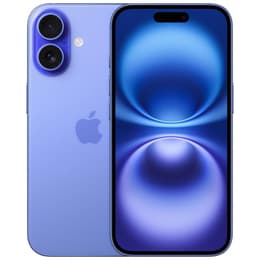


iPhone

Compare models
Differences at a glance
The iPhone 16, released in September 2024, and the OnePlus 10 Pro, launched in January 2022, represent different generations in the smartphone landscape. While both devices offer premium experiences, the iPhone 16 benefits from more recent technological advancements and Apple's integrated ecosystem, running on iOS, whereas the OnePlus 10 Pro operates on Android and focuses on a high-performance hardware experience from its release year. The primary differentiators lie in their respective operating systems, processor generations, and camera system capabilities.
Colour
Storage
Comparing the practical lifespan of these two devices involves looking at their release timelines, expected software support, and physical durability features.
Year of Release
Compatible with latest Update
Foldable
Performance is a key area where the generational gap between these two devices becomes apparent, influencing app responsiveness, multitasking, and gaming experiences.
Both devices offer high-quality displays, but they differ in technology, refresh rate implementation, and overall viewing experience.
Resolution
Screen type
The camera systems on both smartphones offer distinct approaches to photography and videography, reflecting their respective manufacturers' philosophies and generational advancements.
Main camera
Front camera
Beyond core performance and camera, several practical elements contribute to the overall user experience and differentiate these two smartphones.
Weight
Screen size (in)
Network
SIM card
Carrier compatibility
The iPhone 16 and OnePlus 10 Pro cater to different user preferences, largely due to their release timelines and operating system ecosystems. Users often praise the iPhone 16 for its seamless integration within Apple's ecosystem, consistent software updates, and the expected advancements in its camera system, particularly the new Capture Button and improved low-light capabilities on Pro models. Some users might find the standard iPhone 16's lack of a high refresh rate display a point of consideration compared to Android flagships. The OnePlus 10 Pro, on the other hand, is frequently lauded for its vibrant QHD+ AMOLED display with a 120Hz adaptive refresh rate, its fast charging speeds, and its robust battery life, often outperforming some competitors from its era. Criticisms for the OnePlus 10 Pro at its release sometimes centered on its software experience and the absence of an official IP rating for international versions.
Users prioritizing long-term software support, a highly integrated ecosystem, and advanced computational photography features may find the iPhone 16 well-suited to their needs. Its newer processor and expected longer update cycle offer a more future-proof experience. Conversely, individuals who value a high refresh rate display, exceptionally fast charging, and a more customizable Android experience might lean towards the OnePlus 10 Pro. Its strong battery performance and unique ultra-wide camera capabilities also make it a compelling choice for specific user profiles. Both devices, when considered as quality-assured refurbished options, provide an eco-friendly alternative for consumers seeking premium smartphone technology.