
iPhone

Compare models
Differences at a glance
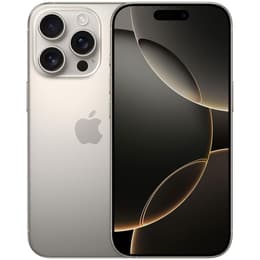
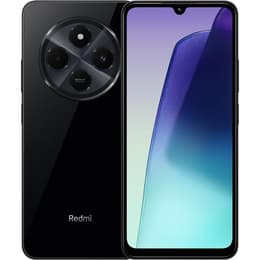
The iPhone 16 Pro, released in September 2024, and the Xiaomi Redmi 14C, launched in August 2024, represent distinct segments within the smartphone market. While both devices offer modern smartphone functionalities, they cater to different user expectations through their hardware and software approaches. The iPhone 16 Pro operates on Apple's iOS ecosystem, emphasizing advanced performance, camera capabilities, and display technology, whereas the Redmi 14C runs on Xiaomi's HyperOS, built on Android 14, focusing on delivering essential features and a large display for everyday use.
Colour
Storage
The expected practical lifespan of a smartphone is influenced by its initial build quality, software support, and ease of repair. These two devices offer different trajectories in these aspects.
Year of Release
Compatible with latest Update
Foldable
Performance in smartphones is determined by the efficiency of their internal components, impacting how smoothly applications run and how quickly tasks are completed.
The display is a primary interface for user interaction, and its quality significantly impacts the visual experience.
Resolution
Screen type
Camera systems are crucial for capturing memories and communicating visually, with varying capabilities across devices.
Main camera
Front camera
Beyond core performance, various practical elements contribute to the overall user experience and device utility.
Weight
Screen size (in)
Network
SIM card
Carrier compatibility
User feedback for the iPhone 16 Pro often highlights its exceptional camera capabilities, particularly the versatility of its triple-lens system and advanced video features, making it a strong choice for photography and videography enthusiasts. Users also appreciate the vibrant and bright OLED display, the smooth performance for demanding applications, and the improved repairability compared to previous Pro models. Some common discussions revolve around its size and weight, which, while contributing to its premium feel, might be a consideration for those preferring a more compact device.
For the Xiaomi Redmi 14C, users frequently praise its large 120Hz display for a smooth visual experience, especially given its accessible positioning in the market. The 50MP main camera is generally well-regarded for daylight photography, and the inclusion of a 3.5mm headphone jack and expandable storage are often cited as practical advantages. Concerns sometimes arise regarding its lower display resolution, which can lead to a less crisp image, and its battery efficiency, despite a large capacity, which may not always translate to significantly longer real-world usage compared to some competitors.
Users prioritizing a top-tier camera system, cutting-edge performance for intensive tasks, and a premium build with extended software support will find the iPhone 16 Pro well-suited to their needs. Its advanced display and robust ecosystem integration also cater to those seeking a comprehensive flagship experience. Conversely, users who prioritize a large, smooth display for media consumption and everyday tasks, along with practical features like expandable storage and a headphone jack, may lean toward the Xiaomi Redmi 14C. It offers a solid foundation for general smartphone use without the advanced capabilities of a flagship device.
For those considering either device, exploring quality-assured refurbished options can provide an eco-friendly alternative, offering access to these technologies while supporting sustainable consumption.