

Compare models
Galaxy A33 5G Vs Galaxy Z Flip7
- 1-year minimum warranty
- Free delivery on all orders
- Free 30-day returns
Differences at a glance
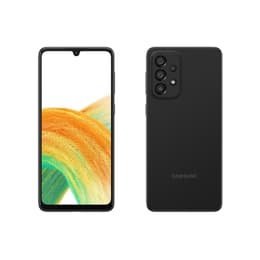
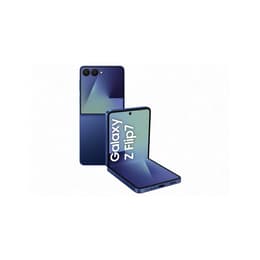
The Samsung Galaxy A33 5G (2022) and the Samsung Galaxy Z Flip7 (2025) represent two entirely different form factors and product tiers within Samsung's smartphone lineup. While the Galaxy A33 5G is a traditional mid-range slate device focused on core everyday reliability, the Galaxy Z Flip7 is a modern foldable clamshell featuring a unique flexible display and advanced internal hardware. Both devices run on the Android operating system with Samsung's custom interface, though they differ significantly in release timing, engineering approach, and intended user experience.
Available Models
Colour
Storage (GB)
Scores
Durability
When examining longevity and structural design, these two devices reflect different generations of hardware development and support timelines.
- Release timeline and software support: The Galaxy Z Flip7 benefits from a much newer release year, aligning with extended software update schedules that cover multiple years of future operating system upgrades. The Galaxy A33 5G launched earlier, meaning its official software support window will conclude sooner relative to its successor.
- Build and physical durability: The Galaxy A33 5G features a traditional glass-and-plastic slate construction with fixed rigidity and standard water resistance ratings. In contrast, the Galaxy Z Flip7 utilizes a foldable mechanism protected by specialized flexible glass and advanced hinge engineering, requiring careful handling typical of modern folding devices.
Year of Release
2022
2025
Compatible with latest Update
Yes
Yes
OS
Android
Android
Foldable
No
Yes
Performance
Daily operation and hardware capability differ substantially, driven by processor generation and memory configurations.
- Multitasking and responsiveness: The Galaxy Z Flip7 handles demanding applications, graphics-heavy gaming, and complex background tasks with ease thanks to its current-generation processor and generous random access memory allocation. The Galaxy A33 5G manages standard messaging, web browsing, and casual apps reliably, though demanding software highlights its mid-range processing limits.
- Battery behavior and storage: Battery longevity varies under heavy use due to differing screen technologies and power management systems, with the Galaxy A33 5G offering expandable storage via a memory card slot, while the Galaxy Z Flip7 relies strictly on fixed internal storage capacities.
Screen quality
Display technology is a primary differentiator, separating a conventional panel from an innovative folding screen.
- Display structure and technology: The Galaxy A33 5G features a standard, flat Super AMOLED panel with a fixed 90Hz refresh rate that delivers sharp text and balanced colors for daily viewing. The Galaxy Z Flip7 introduces a flexible folding main display alongside a functional outer cover screen, both supporting smooth high refresh rates and high peak brightness levels for outdoor visibility.
- Viewing and media experience: Content consumption on the Galaxy A33 5G follows a traditional widescreen format, whereas the foldable screen on the Galaxy Z Flip7 offers a unique aspect ratio and a crease across the folding axis that remains visible depending on viewing angles.
Resolution
1080 x 2400
1080x2520
Audiovisual
Multimedia capture and audio output capabilities cater to different creative and entertainment preferences.
- Camera hardware: The Galaxy A33 5G relies on a versatile quad-lens rear array suited for standard everyday snapshots and wide-angle framing. The Galaxy Z Flip7 utilizes a streamlined dual-lens main system paired with advanced image processing software to enhance low-light photography and steady video recording.
- Media and audio output: Both devices deliver clear stereo sound for calls and media playback, though neither includes a traditional physical headphone port, requiring wireless or adapter-based audio accessories.
Front camera
13 megapixels
10 megapixels
Miscellaneous
Everyday practicalities involve connectivity standards, physical dimensions, and security authentication methods.
- Connectivity and sensors: Both models support modern high-speed mobile networks, dual-band Wi-Fi, and near-field communication for digital payments. Biometric security is handled via fingerprint sensors, with the Galaxy A33 5G placing it on the side power button and the Galaxy Z Flip7 integrating recognition features suited for its foldable frame.
- Portability: The Galaxy A33 5G maintains a standard lightweight slate profile that slips easily into pockets, while the Galaxy Z Flip7 folds compactly in half to reduce its vertical footprint when stored.
Weight
186 g
188 g
Screen size (in)
6.4
6.9
Network
5G
5G
SIM card
Physical SIM
Physical SIM + eSIM
Carrier compatibility
Unlocked
Unlocked
Connector
USB-C
USB-C
What the community thinks
User feedback from online communities highlights distinct preferences for each device. Owners of the Galaxy A33 5G frequently praise its dependable battery life, expandable storage options, and straightforward reliability for daily tasks. Common discussions note that its processing speed can feel limited during heavy multitasking or modern gaming. Meanwhile, users of the Galaxy Z Flip7 appreciate its compact folding convenience, vibrant primary display, and modern processing power, though some express ongoing caution regarding the long-term durability of folding screens and hinge mechanisms.
Users prioritizing a traditional, low-maintenance design with expandable storage and straightforward functionality will find the Galaxy A33 5G well-suited to their needs. Conversely, users prioritizing a compact pocket footprint, innovative display technology, and high-tier processing performance may lean toward the Galaxy Z Flip7. For those considering an eco-friendly alternative, a quality-assured refurbished option provides a sustainable choice that extends device lifecycles without compromising on performance expectations.