
iPhone

Compare models
Differences at a glance
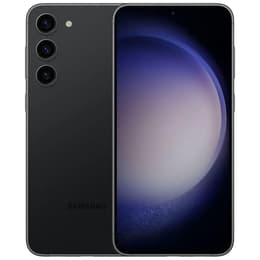
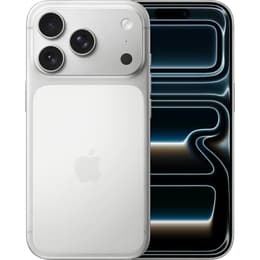
The Samsung Galaxy S23 Plus, released in February 2023, and the iPhone 17 Pro, introduced in September 2025, represent distinct approaches to high-end smartphone design and functionality. While both devices offer premium experiences, they cater to different user preferences through their respective operating systems and hardware philosophies. The Galaxy S23 Plus runs on Android, offering extensive customization, whereas the iPhone 17 Pro operates on iOS, known for its integrated ecosystem. Key differentiators include their display technologies, camera system capabilities, and overall performance optimizations, reflecting their two-year release gap.
Colour
Storage
When considering the practical lifespan of these devices, their release timelines and software support policies are significant factors.
Year of Release
Performance is a critical aspect for any modern smartphone, influencing everything from app responsiveness to demanding tasks like gaming and video editing.
The display is a primary interface for smartphone interaction, and both devices offer high-quality visual experiences with distinct characteristics.
Both the Galaxy S23 Plus and the iPhone 17 Pro offer advanced camera systems designed to capture high-quality photos and videos, though with differing strengths.
Beyond core performance and display, several practical elements contribute to the overall user experience and differentiate these two smartphones.
Screen size (in)
Network
SIM card
Carrier compatibility
The Samsung Galaxy S23 Plus and the iPhone 17 Pro each offer compelling features, appealing to different user priorities. Users of the Galaxy S23 Plus frequently praise its robust battery life, often reporting two-day endurance with moderate use, and its consistently smooth performance across various tasks [8, 9, 14, 25, 31]. Its vibrant AMOLED display and capable camera system are also commonly highlighted as strong points [7, 8, 25]. Some users, however, note that its camera, while good, may not always match the consistency of some competitors in specific scenarios, and some express a desire for a lower adaptive refresh rate for even greater power efficiency [3, 27].
The iPhone 17 Pro, being a more recent release, garners anticipation for its cutting-edge performance, driven by the A19 Pro chip, which is expected to deliver exceptional speed and efficiency, particularly for demanding applications and gaming [22, 39, 41]. Its advanced camera system, with a triple 48MP setup and enhanced optical zoom, is a significant draw for photography and videography enthusiasts [1, 23]. The brighter, anti-reflective display and extended software support are also key advantages [1, 15, 42]. Potential considerations for some users might include adapting to the iOS ecosystem if coming from Android, or the physical dimensions, which are slightly thicker than its predecessor [16].
Users prioritizing long-term software support, top-tier processing power for future-proofing, and advanced camera capabilities with extensive optical zoom may find the iPhone 17 Pro well-suited to their needs. Conversely, those who value extensive Android customization, a slightly larger display in a similar form factor, and proven multi-day battery life might lean towards the Galaxy S23 Plus. Both devices represent excellent choices, and considering a quality-assured refurbished option can be a sustainable way to acquire either of these powerful smartphones.