

iPhone 13 Pro Vs iPhone 16 Pro

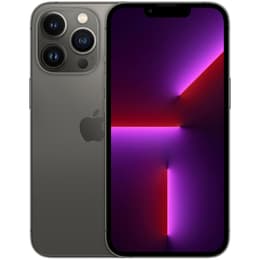
iPhone 13 Pro
iPhone 13 Pro
Starting at
€362.00
€1,149.00 new
See options
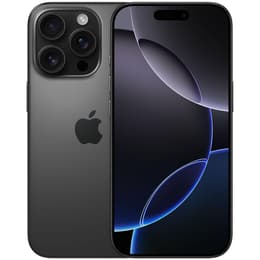
iPhone 16 Pro
iPhone 16 Pro
Starting at
€654.00
€1,239.00 new
See options

Ratings

The iPhone 13 Pro (2021) and iPhone 16 Pro (2024) represent two different generations of Apple's premium smartphone line, separated by three years of technological advancements. While both devices operate on Apple's iOS platform, the iPhone 16 Pro integrates a more powerful processor, significantly upgraded camera capabilities, and an enhanced display, building upon the established foundation of its predecessor.

Scores

Durability

When considering the longevity of these devices, several factors highlight the differences between the iPhone 13 Pro and iPhone 16 Pro.

  • Release Timeline and Software Support: The iPhone 13 Pro, released in September 2021, shipped with iOS 15 and is still compatible with the current iOS 26.1. It is expected to receive software updates for several more years, typically around 5-6 years from its release date. The iPhone 16 Pro, launched in September 2024, came with iOS 18 and benefits from a newer lifecycle, providing a longer period of major iOS updates and security patches.
  • Durability Features: Both models feature an IP68 rating for splash, water, and dust resistance, allowing submersion up to 6 meters for 30 minutes. The iPhone 13 Pro utilizes a Ceramic Shield front cover for added durability. The iPhone 16 Pro introduces a strong and light titanium design, which contributes to its overall build quality.
  • Repairability: The iPhone 13 Pro received a repairability score of 5 out of 10 from iFixit, noting that while battery and display replacements are prioritized, waterproofing methods and the number of screw types complicate some repairs. There can also be software limitations for third-party display repairs. Information on the iPhone 16 Pro's repairability score is less readily available, but Apple generally designs devices with a similar approach to internal components.

Year of Release

2021

2024

Compatible with latest Update

Yes

Yes

Foldable

No

No

Performance

A substantial performance gap exists between these two iPhone Pro models, largely driven by generational advancements in processing technology.

  • Processor Capabilities: The iPhone 13 Pro is powered by the A15 Bionic chip, featuring a 6-core CPU and a 5-core GPU, which delivers robust performance for everyday tasks and demanding applications. The iPhone 16 Pro incorporates the A18 Pro chip, which includes an updated 6-core CPU, a new 6-core GPU, and an advanced 16-core Neural Engine. This newer chip offers a significant leap in raw processing power, graphics rendering, and machine learning capabilities, making it noticeably faster and more efficient, especially for complex tasks and features like Apple Intelligence.
  • System Responsiveness and Multitasking: While the iPhone 13 Pro is highly responsive, the iPhone 16 Pro provides a smoother and more immediate user experience across the system, handling intensive games, video editing, and augmented reality applications with greater ease. The enhanced GPU in the 16 Pro particularly benefits graphically demanding tasks.
  • Storage Options: Both devices offer a range of storage capacities, typically starting from 128GB and extending up to 1TB, providing ample space for applications, photos, and videos.

Memory

6 GB

8 GB

Screen quality

Both the iPhone 13 Pro and iPhone 16 Pro feature high-quality displays, but the newer model brings notable enhancements.

  • Display Technology and Clarity: Both phones utilize a Super Retina XDR OLED display, offering deep blacks and vibrant colors with excellent contrast ratios. The iPhone 13 Pro has a 6.1-inch display with a resolution of 2532 by 1170 pixels at 460 ppi. The iPhone 16 Pro features a slightly larger 6.3-inch display with a resolution of 2622 by 1206 pixels at 460 ppi, providing a marginally larger viewing area.
  • Brightness Levels: The iPhone 13 Pro offers a typical maximum brightness of 1000 nits and a peak HDR brightness of 1200 nits. The iPhone 16 Pro enhances this with a typical maximum brightness of 1000 nits, a peak HDR brightness of 1600 nits, and an impressive peak outdoor brightness of 2000 nits, making it significantly more readable in bright sunlight.
  • Refresh Rate and Features: Both models incorporate ProMotion technology, providing adaptive refresh rates up to 120Hz for smooth scrolling and responsive interactions, while reducing to lower rates for static content to conserve power. The iPhone 16 Pro further integrates the Dynamic Island and an Always-On display, which were not present on the iPhone 13 Pro.

Resolution

1170 x 2532

1206 x 2622

Screen type

Super Retina XDR OLED

LTPO Super Retina XDR OLED

Audiovisual

The camera systems on the iPhone 13 Pro and iPhone 16 Pro represent significant advancements over their respective generations, with the newer model offering substantial upgrades.

  • Main and Ultra Wide Camera Systems: The iPhone 13 Pro features a versatile 12MP triple-camera system, including a Wide camera with f/1.5 aperture and sensor-shift optical image stabilization, and a 12MP Ultra Wide camera with f/1.8 aperture and a 120° field of view with autofocus. The iPhone 16 Pro steps up considerably with a 48MP Fusion main camera (f/1.78) and a 48MP Ultra Wide camera (f/2.2, 120° FOV), capable of capturing highly detailed 24MP and 48MP photos.
  • Telephoto and Zoom Capabilities: The iPhone 13 Pro includes a 12MP Telephoto lens with f/2.8 aperture, offering 3x optical zoom. The iPhone 16 Pro features a 12MP Telephoto camera with an enhanced 5x optical zoom, employing a tetraprism design for extended reach. This provides a 10x optical zoom range and up to 25x digital zoom, a notable improvement over the 13 Pro's 6x optical zoom range and 15x digital zoom.
  • Video Recording and Special Features: Both support advanced video recording, with the iPhone 13 Pro offering Cinematic mode in 1080p at 30 fps and ProRes video recording up to 4K at 30 fps (for models with sufficient storage). The iPhone 16 Pro elevates video capabilities with 4K 120 fps Dolby Vision video recording, spatial video capture for immersive viewing, and introduces a dedicated Camera Control button for enhanced photographic flexibility. Public feedback on the 16 Pro's camera has been mixed, with some users reporting excellent results, while others noted initial issues with graininess and lens flare, suggesting potential software optimization needs.

Main camera

12 megapixels

48 megapixels

Front camera

12 megapixels

12 megapixels

Miscellaneous

Beyond core performance and cameras, several practical elements differentiate these two iPhone Pro models in daily use.

  • Connectivity Standards: The iPhone 13 Pro supports 5G cellular connectivity, Wi-Fi 6, and Bluetooth 5.0. The iPhone 16 Pro features more advanced connectivity with Wi-Fi 7 and potentially a newer Bluetooth standard (though not explicitly detailed in all sources, it's a typical generational upgrade), offering faster and more reliable wireless communication.
  • Physical Design and Handling: The iPhone 13 Pro measures 146.7mm x 71.5mm x 7.7mm and weighs 204 grams, featuring a stainless steel frame and a glass back. The iPhone 16 Pro, while featuring a slightly larger 6.3-inch display, maintains a compact feel with dimensions of 149.6 x 71.5 x 8.25 mm and a weight of 199 grams, thanks to its titanium construction and slimmer bezels. This makes the 16 Pro marginally lighter and larger, offering a bigger screen without a significantly bulkier footprint.
  • Charging and Ports: Both devices primarily use the Lightning port for charging and data transfer, supporting wired charging speeds of around 20W for the 13 Pro. The iPhone 16 Pro likely features a USB-C port (a common change in newer iPhone models after the EU mandate), offering potentially faster wired data transfer and charging, with some reports suggesting up to 30W wired charging and higher MagSafe wireless charging.

Weight

203 g

199 g

Screen size (in)

6.1

6.3

Network

5G

5G

SIM card

Physical SIM + eSIM

eSIM

Carrier compatibility

Unlocked

Unlocked

Connector

Lightning

USB-C (USB 3)

Choosing between the iPhone 13 Pro and iPhone 16 Pro involves evaluating the user's priorities regarding performance, camera capabilities, and future-proofing. Forum discussions and user reviews highlight several key takeaways for both devices.

Users frequently praise the iPhone 13 Pro for its robust performance, excellent camera system, and the introduction of ProMotion, making it a highly capable device even years after its release. Its battery life was considered good for its time. However, some users note its relatively slower charging compared to newer models and the limitations of its 3x optical zoom.

The iPhone 16 Pro receives acclaim for its significantly faster processor, which enhances overall system fluidity and AI capabilities. The camera system, with its 48MP main and ultrawide sensors, 5x telephoto zoom, and advanced video features, is often highlighted as a major upgrade. The larger, brighter display with the Dynamic Island and the lighter titanium design also contribute to its appeal. Initial user feedback on camera quality has been mixed for the iPhone 16 Pro, with some experiencing graininess or lens flare, while others find it exceptional. Battery life for the 16 Pro is consistently reported as excellent, with some users achieving a full day of heavy use.

For users who prioritize cutting-edge performance, the latest camera technology, extended software support, and the newest display features like the Dynamic Island, the iPhone 16 Pro is well-suited. This includes creative professionals, avid mobile gamers, and those who want to leverage Apple Intelligence features. Students or professionals who require longevity from their device will benefit from the iPhone 16 Pro's longer update cycle.

Conversely, the iPhone 13 Pro remains a strong contender for those seeking a highly capable Apple smartphone without needing the absolute latest features. Its camera and performance are still excellent for most everyday tasks, making it a sustainable choice for users who value a quality-assured refurbished option that delivers strong value. For those who enjoy an eco-friendly alternative to purchasing new, refurbished models of both devices provide a path to experience premium Apple technology responsibly.