

Galaxy Z Flip6 Vs Google Pixel Fold

Galaxy Z Flip6
Galaxy Z Flip6
Starting at

Refurbished price:423.00

Versus €1,199.99 new

See options
Google Pixel Fold
Google Pixel Fold
Starting at

Refurbished price:454.00

Versus €1,750.29 new

See options

Ratings

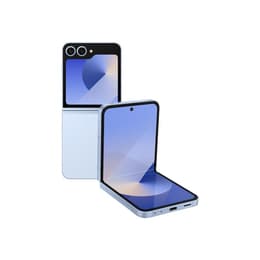
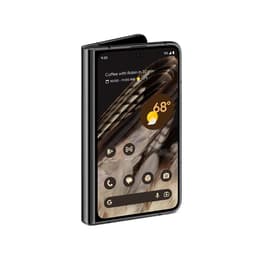
The Samsung Galaxy Z Flip6 (2024) and the Google Pixel Fold (2023) represent distinct approaches to the evolving foldable smartphone market. While both devices offer the versatility of a folding screen, they cater to different user preferences through their unique form factors and feature sets. The Z Flip6 emphasizes a compact, clamshell design that folds vertically, prioritizing portability, whereas the Pixel Fold adopts a book-style fold, opening horizontally into a larger, tablet-like display for enhanced productivity. Both operate on the Android platform, but they deliver different user experiences through their respective software interfaces and hardware optimizations.

Scores

Durability

When considering the long-term usability of these foldable devices, their release timelines and software support are important factors.

  • Release Timeline: The Galaxy Z Flip6, released in July 2024, is a newer device compared to the Google Pixel Fold, which launched in June 2023. This difference in release date inherently provides the Z Flip6 with a longer potential lifespan for receiving the latest software and security updates.
  • Software Longevity: Samsung has committed to providing 7 years of Android OS and security updates for the Galaxy Z Flip6, offering extensive future-proofing. The Google Pixel Fold is guaranteed 5 years of OS and security updates from its release date.
  • Durability Features: Both devices feature an IPX8 water resistance rating, indicating protection against submersion. The Z Flip6 incorporates Gorilla Glass Victus 2 on its cover screen and back panel, along with an enhanced Armor Aluminum frame and an improved hinge design. The Pixel Fold also uses Gorilla Glass Victus for its cover screen and back.

Year of Release

2024

2023

Compatible with latest Update

Yes

Yes

OS

Android

Android

Foldable

Yes

Yes

Performance

The performance of these foldable phones is shaped by their internal components and how they manage various tasks, from everyday use to more demanding applications.

  • Processing Power: The Galaxy Z Flip6 is equipped with a newer generation processor, which generally translates to faster speeds for intensive applications, advanced gaming, and complex multitasking. The Pixel Fold, powered by its custom-designed processor, delivers a smooth and responsive experience for daily tasks and excels in features that leverage artificial intelligence.
  • Multitasking Capability: Both devices offer ample memory, typically 12 GB of RAM, allowing them to handle multiple applications simultaneously without significant slowdowns.
  • Battery Behavior: The Galaxy Z Flip6 features a 4000 mAh battery, which, combined with its efficient processor, allows for extended usage, with users reporting around 7 hours of screen-on time in real-world scenarios. The Pixel Fold houses a larger 4821 mAh battery, and while it has a larger internal display to power, it can achieve over a day of use for many users, with some reporting around 6.5 hours of screen-on time.

Memory (GB)

12 GB

12 GB

Screen quality

The display experience is a primary differentiator between these two foldable smartphones, largely due to their distinct form factors.

  • Display Technology and Clarity: Both devices utilize vibrant OLED display technology, offering deep blacks and excellent contrast. The Galaxy Z Flip6 features a 6.7-inch Foldable Dynamic AMOLED 2X main screen with a resolution of 1080 x 2640 pixels, ensuring sharp visuals. The Pixel Fold boasts a larger 7.6-inch Foldable OLED inner display with a resolution of 2208 x 1840 pixels, providing a more expansive, tablet-like viewing area.
  • Brightness and Refresh Rate: The Z Flip6's main screen offers a 120Hz refresh rate for smooth scrolling and animations, with a peak brightness of 2600 nits for good visibility in various lighting conditions. The Pixel Fold's inner display also features a 120Hz refresh rate and reaches a peak brightness of 1450 nits.
  • Cover Screen Experience: The Z Flip6 has a 3.4-inch Super AMOLED cover display, which is functional for quick interactions and notifications. The Pixel Fold's 5.8-inch OLED cover screen offers a wider aspect ratio, making it more comfortable for typing and using apps without unfolding the device.

Resolution

1080 x 2640

1840 x 2208

Screen type

Foldable Dynamic LTPO AMOLED 2X

Foldable OLED

Audiovisual

Both the Galaxy Z Flip6 and the Google Pixel Fold offer capable camera systems, but they approach mobile photography with different hardware configurations and software philosophies.

  • Rear Camera Systems: The Galaxy Z Flip6 features a dual-camera setup with a 50 MP wide-angle main lens and a 12 MP ultra-wide-angle lens. The Pixel Fold offers a triple-camera system, including a 48 MP wide-angle main lens, a 10.8 MP telephoto lens with 5x optical zoom, and a 10.8 MP ultrawide lens.
  • Photography Performance: The Z Flip6's upgraded 50 MP main sensor aims for sharper images and improved low-light performance, benefiting from advanced image processing and AI features. The Pixel Fold is known for its consistent image quality across its lenses, leveraging Google's computational photography for accurate colors and strong low-light capabilities, including features like Real Tone and Night Sight.
  • Video and Selfie Capabilities: Both devices support 4K video recording. The Z Flip6 includes a 10 MP inner selfie camera and utilizes its main cameras for high-quality selfies via its cover screen (FlexCam). The Pixel Fold has an 8 MP inner camera and a 9.5 MP camera on its cover screen for selfies and video calls.

Main camera

50 megapixels

48 megapixels

Front camera

10 megapixels

8 megapixels

Miscellaneous

Beyond the core features, several practical elements contribute to the overall user experience of these foldable smartphones.

  • Connectivity and Ports: Both devices support 5G connectivity for fast mobile data. The Galaxy Z Flip6 features Wi-Fi 6E and Bluetooth 5.3, along with a USB-C 3.2 port. The Pixel Fold includes Wi-Fi 802.11 ax (Wi-Fi 6) and Bluetooth 5.2, also with a USB-C 3.2 port.
  • Biometric Security: Both phones offer secure unlocking methods. The Z Flip6 typically integrates a fingerprint sensor into its side power button. The Pixel Fold also features a side-mounted fingerprint sensor.
  • Physical Design and Handling: The Galaxy Z Flip6, when folded, is a compact device measuring 85.1 x 71.9 x 14.9 mm and weighing 187g, making it highly portable and easy to handle with one hand. The Google Pixel Fold, with its book-style design, is larger and heavier, measuring 139.7 x 79.5 x 12.1 mm when folded and weighing 283g, offering a more substantial feel.

Weight

187 g

283 g

Screen size (in)

6.7

7.6

Network

5G

5G

SIM card

Physical SIM + eSIM

Physical SIM + eSIM

Carrier compatibility

Unlocked

Unlocked

The Samsung Galaxy Z Flip6 and the Google Pixel Fold cater to different preferences within the foldable smartphone segment. User sentiment for the Z Flip6 often praises its enhanced portability and improved camera system, particularly the upgraded main sensor and the versatility of FlexCam for creative photography. Some users appreciate the longer software support commitment from Samsung. Criticisms sometimes point to the iterative nature of some upgrades over its predecessor or the lack of a dedicated telephoto lens.

The Google Pixel Fold is frequently lauded for its wider, more usable cover screen, which allows for a more traditional smartphone experience when closed, and its expansive inner display that offers a tablet-like canvas for productivity and media consumption. Its camera system, backed by Google's computational photography, also receives positive remarks for consistent image quality. Some users have expressed concerns regarding its weight and the durability of the inner display, particularly early models.

Users prioritizing a highly compact and pocketable device that transforms into a full-sized smartphone, with a strong emphasis on selfie capabilities and long-term software updates, may find the Galaxy Z Flip6 well-suited to their needs. Conversely, users who value a larger, more traditional external display and an expansive internal screen for multitasking and media, coupled with Google's distinct camera processing, might lean towards the Pixel Fold. Both devices offer a unique foldable experience, and choosing between them often comes down to whether a compact clamshell or a tablet-like book-style form factor better aligns with daily usage patterns. For those considering either of these advanced devices, exploring quality-assured refurbished options can provide an eco-friendly alternative.


See all articles

Our recent comparisons