

Galaxy S21 5G Vs Xiaomi Redmi Note 13

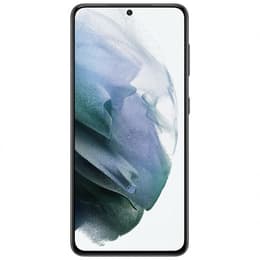
Galaxy S21 5G
Galaxy S21 5G
Starting at

Refurbished price:171.00

Versus €859.00 new

See options
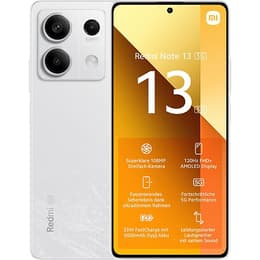
Xiaomi Redmi Note 13
Starting at

Refurbished price:137.00

Versus €340.00 new

See options

Ratings

The Samsung Galaxy S21 5G, released in January 2021, and the Xiaomi Redmi Note 13, launched in January 2024, represent different generations and market segments within the Android smartphone landscape. While the Galaxy S21 5G was a flagship device at its release, the Redmi Note 13 enters as a more recent mid-range offering. Key differentiators include their respective release timelines, processor capabilities, and camera system approaches, catering to distinct user priorities.

Scores

Durability

The practical lifespan of a smartphone is often influenced by its release date, software support, and physical resilience. The Galaxy S21 5G, being an older device, has received fewer major operating system updates compared to the more recently launched Redmi Note 13.

  • Software Longevity: The Samsung Galaxy S21 5G launched with Android 11 and typically receives four years of major OS updates and five years of security updates, meaning its official software support is nearing its end. In contrast, the Xiaomi Redmi Note 13, released with Android 13, is expected to receive three major Android OS updates (up to Android 16) and four years of security updates, extending its software relevance until January 2028.
  • Physical Durability: The Galaxy S21 5G features Corning Gorilla Glass Victus for display protection and boasts an IP68 rating for dust and water resistance, indicating a high level of protection against environmental elements. The Redmi Note 13 (4G version) uses Corning Gorilla Glass 3, while the 5G variant features Gorilla Glass 5, offering good scratch resistance but generally less impact protection than Victus.
  • Repairability: The Galaxy S21 5G has been noted for a repairability score that suggests it is relatively easy to disassemble, though battery removal can be challenging due to strong adhesive. Information on the Redmi Note 13's specific repairability score is less widely available, but its construction is typical of modern smartphones.

Year of Release

2021

2024

Compatible with latest Update

Yes

Yes

OS

Android

Android

Foldable

No

No

Performance

Performance is a critical aspect for daily smartphone use, impacting everything from app responsiveness to demanding tasks like gaming and multitasking.

  • Processing Power: The Samsung Galaxy S21 5G, powered by a flagship-tier processor from its release year, delivers robust performance capable of handling demanding applications, complex multitasking, and graphically intensive games smoothly. Users can expect quick app loading times and fluid navigation. The Xiaomi Redmi Note 13 (4G version) utilizes a processor designed for efficient everyday performance, suitable for general browsing, social media, and moderate gaming. The 5G variant features a different processor, also aimed at balanced performance for its segment.
  • Multitasking and Responsiveness: The Galaxy S21 5G typically comes with 8GB of RAM, which contributes to its ability to keep multiple applications open and switch between them without significant slowdowns. The Redmi Note 13 offers various RAM configurations, including 6GB, 8GB, and 12GB options, allowing for competent multitasking, though its overall system responsiveness for very heavy workloads may not match a former flagship device.
  • Storage Options: Both devices offer ample internal storage. The Galaxy S21 5G is available with 128GB or 256GB of internal storage. The Redmi Note 13 provides more flexible storage options, ranging from 128GB to 256GB, and includes expandable storage via a microSD card, which the Galaxy S21 5G lacks.
  • Battery Behavior: The Galaxy S21 5G houses a 4000mAh battery, which generally provides a full day of moderate use, though heavy users might find themselves needing to recharge before the day ends. The Redmi Note 13 features a larger 5000mAh battery, with the 4G version demonstrating exceptional endurance, often lasting over a day with moderate to heavy usage. The 5G version also offers good battery life, though some tests suggest it's slightly less efficient than the 4G model.

Memory (GB)

8 GB

8 GB

Screen quality

The display is a primary interface for smartphone interaction, and both devices offer vibrant viewing experiences with distinct characteristics.

  • Display Technology and Clarity: Both the Samsung Galaxy S21 5G and the Xiaomi Redmi Note 13 feature AMOLED displays, known for their deep blacks and vibrant colors. The Galaxy S21 5G has a 6.2-inch Dynamic AMOLED 2X display with a resolution of 1080 x 2400 pixels, providing sharp and detailed visuals. The Redmi Note 13 comes with a slightly larger 6.67-inch AMOLED display, also with a 1080 x 2400 pixel resolution, offering an expansive viewing area.
  • Brightness and Outdoor Visibility: The Redmi Note 13 boasts a high peak brightness of up to 1800 nits, which significantly enhances visibility in bright outdoor conditions. The Galaxy S21 5G also offers a bright display, ensuring good readability in various lighting environments, though its peak brightness is typically lower than the Redmi Note 13.
  • Refresh Rate and Smoothness: Both smartphones feature a 120Hz refresh rate, contributing to a smoother visual experience when scrolling through content, playing games, or navigating the user interface. This higher refresh rate makes interactions feel more fluid and responsive on both devices.
  • Screen Protection: The Galaxy S21 5G is protected by Corning Gorilla Glass Victus, offering advanced resistance against drops and scratches. The Redmi Note 13 (4G) uses Corning Gorilla Glass 3, while the Redmi Note 13 (5G) uses Gorilla Glass 5, providing good everyday protection.

Resolution

1080 x 2400

1080 x 2400

Screen type

Dynamic AMOLED 2X

AMOLED

Audiovisual

Camera capabilities are a significant factor for many users, and these devices approach photography and videography with different strengths.

  • Rear Camera System: The Samsung Galaxy S21 5G features a versatile triple camera setup, including a 12MP main sensor, a 12MP ultrawide lens, and a 64MP telephoto lens capable of 3x hybrid optical zoom. This configuration allows for a wide range of photographic scenarios, from expansive landscapes to detailed zoomed-in shots. The Xiaomi Redmi Note 13 also has a triple camera system, highlighted by a 108MP main sensor, complemented by an 8MP ultrawide and a 2MP macro lens. While the high megapixel count of the main sensor can capture detailed images, the auxiliary lenses are generally considered less capable than those on the Galaxy S21 5G.
  • Photography Performance: The Galaxy S21 5G is praised for its consistent image quality across its lenses, good dynamic range, and improved low-light performance with its software enhancements. Its telephoto lens provides useful optical zoom. The Redmi Note 13's 108MP main camera can produce good daytime photos with ample detail, but its ultrawide and macro cameras may not offer the same level of quality or versatility.
  • Video Recording: The Galaxy S21 5G supports up to 8K video recording and offers features like Director's View, allowing users to switch between cameras while filming. It provides strong video stabilization and consistent quality across its main and ultrawide lenses. The Redmi Note 13 records video at 1080p at 30fps, and user reviews indicate that video quality can lack detail and stabilization, making it less suitable for users prioritizing high-quality video capture.
  • Front Camera: The Galaxy S21 5G includes a 10MP front-facing camera that delivers clear selfies with good detail and dynamic range. The Redmi Note 13 features a 16MP front camera, capable of decent selfies.

Main camera

12 megapixels

108 megapixels

Front camera

10 megapixels

16 megapixels

Miscellaneous

Beyond core performance and display, several other features contribute to the overall user experience and device utility.

  • Connectivity Standards: The Samsung Galaxy S21 5G supports 5G connectivity, along with modern Wi-Fi and Bluetooth standards, ensuring fast data speeds and reliable wireless connections. The Xiaomi Redmi Note 13 is available in both 4G and 5G variants, offering Wi-Fi and Bluetooth 5.1. The choice between 4G and 5G models impacts network speed capabilities.
  • Ports and Biometrics: The Galaxy S21 5G features a USB-C port for charging and data transfer, and an in-screen fingerprint sensor for secure unlocking. It does not include a headphone jack. The Redmi Note 13 also uses a USB-C port and an in-screen fingerprint sensor. The 4G version of the Redmi Note 13 includes stereo speakers, enhancing the audio experience for media consumption.
  • Design and Handling: The Galaxy S21 5G has a compact design with a 6.2-inch display, making it comfortable for one-handed use. It features an IP68 rating for water and dust resistance and a plastic back. The Redmi Note 13, with its 6.67-inch display, offers a larger screen experience. It features a flat frame design and is generally lighter than many devices in its class.
  • Included Accessories: The Redmi Note 13 typically comes with a 33W fast charger in the box, which is a convenient inclusion. The Galaxy S21 5G, however, does not include a charger in its retail package.

Weight

169 g

175 g

Screen size (in)

6.2

6.67

Network

5G

5G

SIM card

Dual Physical SIM + eSIM

Dual Physical SIM

Carrier compatibility

Unlocked

Unlocked

Connector

USB-C

USB-C

Choosing between the Samsung Galaxy S21 5G and the Xiaomi Redmi Note 13 involves weighing the benefits of a former flagship against a newer, capable mid-range device. User sentiment for the Galaxy S21 5G often praises its vibrant AMOLED display, versatile camera system, and compact design. Some users, however, have noted concerns regarding its battery life, especially with heavy usage, and the throttling of its processor during intense tasks. The Redmi Note 13 is frequently lauded for its impressive AMOLED display with high peak brightness, excellent battery life (particularly the 4G model), and the inclusion of a fast charger in the box. Criticisms often point to its less powerful processor compared to higher-end devices and the limited quality of its ultrawide and macro cameras, as well as the lack of advanced video recording features like 4K stabilization.

Users prioritizing a more compact device with a premium camera experience, robust processing power for demanding applications, and high-level water and dust resistance may find the Samsung Galaxy S21 5G more aligned with their needs. Its software support, however, is nearing its conclusion. Conversely, individuals seeking a larger, vibrant display, superior battery endurance, and a longer period of software updates will likely prefer the Xiaomi Redmi Note 13. It also offers expandable storage, a feature absent in the Galaxy S21 5G. Both devices are available as quality-assured refurbished options, providing an eco-friendly alternative for consumers.


See all articles

Our recent comparisons