

Galaxy Z Flip4 Vs Google Pixel 8

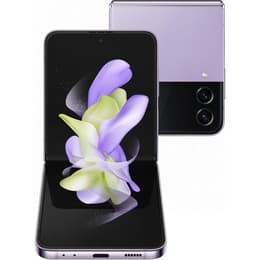
Galaxy Z Flip4
Galaxy Z Flip4
Starting at

Refurbished price:264.00

Versus €1,159.00 new

See options
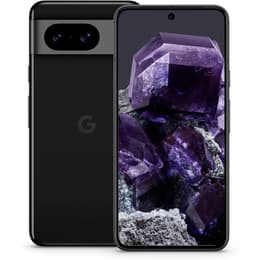
Google Pixel 8
Google Pixel 8
Starting at

Refurbished price:235.00

Versus €999.00 new

See options

Ratings

The Samsung Galaxy Z Flip4 (released August 2022) and the Google Pixel 8 (released October 2023) offer distinct approaches to the modern smartphone experience. While the Galaxy Z Flip4 stands out with its unique foldable design, the Pixel 8 focuses on advanced computational photography and extended software support. Both devices run on the Android operating system, but they cater to different user preferences through their form factors and feature sets.

Scores

Durability

When considering the long-term usability of these devices, their release timelines and software support policies are key factors.

  • Software Longevity: The Google Pixel 8 offers an industry-leading commitment of seven years of OS upgrades, security updates, and regular Feature Drops, extending its support well into the future. In contrast, the Samsung Galaxy Z Flip4 is eligible for four major Android OS updates and up to five years of security updates from its release.
  • Physical Durability: The Pixel 8 features Gorilla Glass Victus on both its front and back, along with an IP68 rating for dust and water resistance, indicating robust protection against environmental elements. The Galaxy Z Flip4, with its foldable design, has an IPX8 water resistance rating, but its unique form factor introduces different considerations for screen protection and hinge longevity.
  • Repairability: The Google Pixel 8 generally receives a good repairability score, with some sources indicating a 7 out of 10, suggesting that common repairs like screen replacement are manageable. The Galaxy Z Flip4 has a moderate repairability score of 6.0 out of 10, with the foldable screen replacement noted as a more intricate process.

Year of Release

2022

2023

Compatible with latest Update

Yes

Yes

OS

Android

Android

Foldable

Yes

No

Performance

The core performance of a smartphone dictates its responsiveness and ability to handle various tasks, from everyday browsing to demanding applications.

  • Processing Power: The Google Pixel 8 is equipped with a current-generation processor designed by Google, which efficiently handles demanding apps, advanced AI features, and multitasking. The Galaxy Z Flip4 features a powerful processor from the previous generation, providing smooth performance for daily use and mobile gaming.
  • Multitasking and Storage: Both devices come with 8GB of RAM, allowing for competent multitasking. For internal storage, the Galaxy Z Flip4 offers options up to 512GB, while the Pixel 8 is available with up to 256GB. Neither device supports expandable storage via microSD cards.
  • Battery Behavior: The Pixel 8 houses a larger battery capacity compared to the Galaxy Z Flip4. However, user experiences with the Pixel 8's battery life have sometimes been described as requiring more frequent charging for heavy users. The Galaxy Z Flip4's battery is reported to support up to 19 hours of video streaming or 16 hours of Wi-Fi/LTE usage.

Memory (GB)

8 GB

8 GB

Screen quality

The display is a primary interface for any smartphone, and these two devices offer distinct visual experiences.

  • Display Technology and Size: The Galaxy Z Flip4 features a 6.7-inch Foldable Dynamic AMOLED 2X main display, which can fold in half, alongside a 1.9-inch Super AMOLED cover screen for quick interactions. The Pixel 8 has a 6.2-inch Actua OLED display, offering a traditional, flat smartphone screen experience.
  • Clarity and Brightness: Both devices offer sharp visuals with high pixel densities suitable for clear text and images. The Pixel 8's Actua display can achieve a peak brightness of up to 2000 nits, enhancing visibility in bright outdoor conditions. The Galaxy Z Flip4's main display also provides vibrant colors and deep blacks, with a peak brightness of 1200 nits.
  • Smoothness: Both the Galaxy Z Flip4's main display and the Pixel 8's display feature a 120Hz adaptive refresh rate, contributing to smoother scrolling and more fluid animations.

Resolution

1080 x 2640

1080 x 2400

Screen type

Foldable Dynamic AMOLED 2X

OLED

Audiovisual

Both smartphones provide capable camera systems, but they excel in different areas, particularly in computational photography and versatility.

  • Rear Camera Systems: The Google Pixel 8 features a 50MP main camera with optical image stabilization and a 12MP ultrawide camera that includes autofocus and a macro mode. The Galaxy Z Flip4 is equipped with a dual 12MP camera setup, comprising a wide-angle lens with optical image stabilization and an ultrawide lens.
  • Photography Features: The Pixel 8 leverages Google's advanced computational photography, offering features like Best Take, Magic Editor, and Audio Magic Eraser, which enhance photo and video editing capabilities. It also provides strong low-light performance and detailed images. The Galaxy Z Flip4 offers a solid camera experience for everyday photography and video recording.
  • Video and Front Camera: Both devices are capable of recording video at 4K resolution at 60 frames per second. The Pixel 8 has a 10.5MP front-facing camera, while the Galaxy Z Flip4 has a 10MP front camera.

Main camera

12 megapixels

50 megapixels

Front camera

10 megapixels

10.5 megapixels

Miscellaneous

Beyond the core specifications, several practical elements contribute to the overall user experience of these smartphones.

  • Connectivity Standards: The Google Pixel 8 supports the newer Wi-Fi 7 standard and Bluetooth 5.3, offering potentially faster and more stable wireless connections. The Galaxy Z Flip4 supports Wi-Fi 6 and Bluetooth 5.2. Both devices offer 5G connectivity for high-speed mobile data.
  • Physical Design and Handling: The Galaxy Z Flip4's clamshell design allows it to fold into a compact form, making it highly portable. The Pixel 8 maintains a more traditional slate form factor, with dimensions that make it comfortable for one-handed use. Both phones weigh approximately 187 grams.
  • Authentication and Ports: The Pixel 8 features an under-display fingerprint sensor and Face Unlock for biometric security. The Galaxy Z Flip4 uses a side-mounted fingerprint sensor. Both smartphones utilize a USB-C port for charging and data transfer and do not include a 3.5mm headphone jack.

Weight

183 g

187 g

Screen size (in)

6.7

6,2

Network

5G

5G

SIM card

Physical SIM + eSIM

Physical SIM + eSIM

Carrier compatibility

Unlocked

Unlocked

Connector

USB-C

USB-C

The Samsung Galaxy Z Flip4 and the Google Pixel 8 cater to different user priorities, each excelling in distinct areas. Users often praise the Galaxy Z Flip4 for its unique foldable form factor, which offers enhanced portability and a novel user experience. Its compact size when folded is a frequent highlight, making it convenient for those who prefer a smaller device that fits easily into pockets or small bags. Some users, however, express concerns about the long-term durability of the foldable screen and hinge mechanism, though Samsung has made strides in improving these aspects.

The Google Pixel 8 is frequently lauded for its exceptional camera capabilities, particularly its advanced computational photography features and AI enhancements that simplify photo editing and improve image quality. Its extended software support is also a significant advantage, providing peace of mind for users who plan to keep their device for many years. Some common criticisms of the Pixel 8 include its battery life, which some users find to be less robust than expected for its capacity.

Users prioritizing a compact, stylish device with a unique folding mechanism may find the Galaxy Z Flip4 well-suited to their needs. Conversely, those who value cutting-edge camera technology, long-term software support, and a traditional, robust smartphone design will likely lean towards the Google Pixel 8. Both devices represent excellent choices, and considering a quality-assured refurbished option for either model can be an eco-friendly alternative to purchasing new.

See all articles

Our recent comparisons